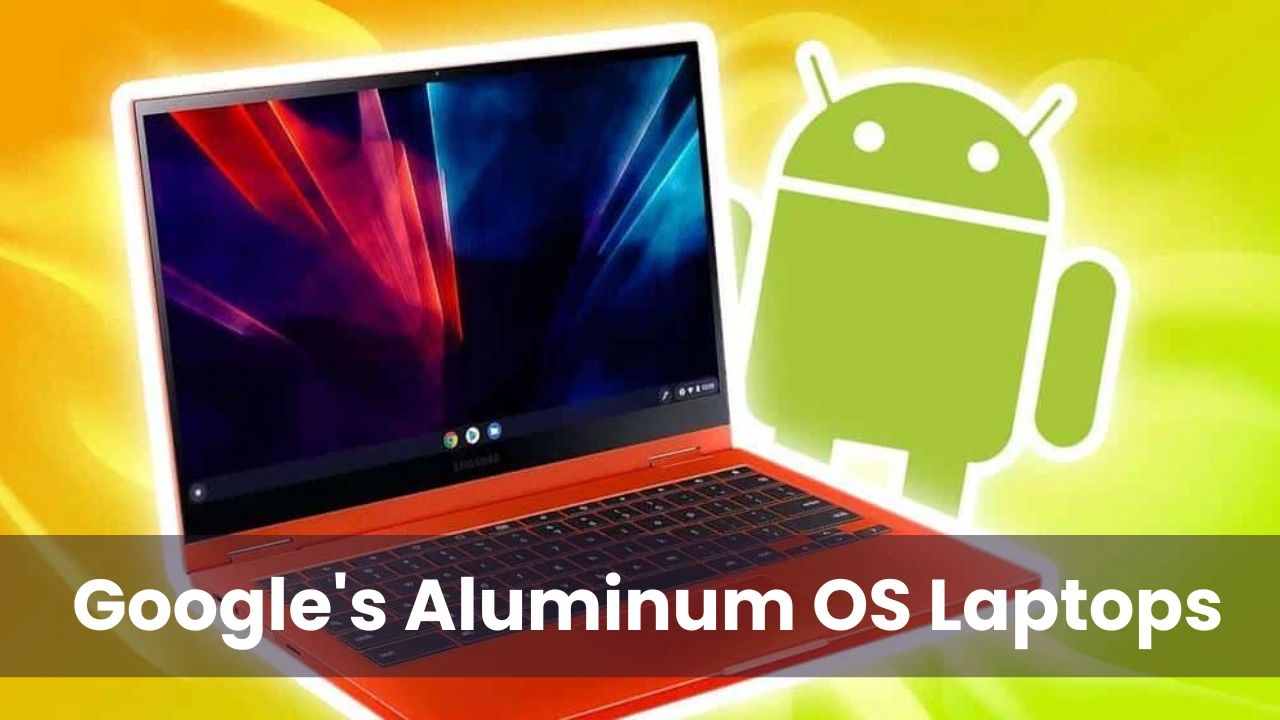
Ever feel like your laptop’s just not keeping up with the whirlwind of AI tricks your phone pulls off so effortlessly? Google’s got you covered—or at least, they’re about to. In a sneaky pivot that’s got the tech world buzzing, the search giant is rolling out a fresh lineup of laptops powered by something called Aluminum OS. Think of it as ChromeOS getting a serious glow-up, fused with Android’s smarts to challenge everything from sleek MacBook Pros to those trusty entry-level workhorses. If you’re hunting for Google Aluminum OS laptops that blend premium polish with everyday smarts, this could be the game-changer you’ve been waiting for.
From Classroom Staple to Powerhouse Player
Remember when Chromebooks were the unsung heroes of school backpacks and coffee-shop cramming sessions? They’ve nailed that sweet spot for affordability, snagging a hefty chunk of the education market—over 60% in the U.S., according to recent stats from Futuresource Consulting. But Google? They’re not content with just being the “good enough” option anymore.
The old ChromeOS setup worked wonders for budget-conscious folks, but it fell short on the high-octane stuff, like deep AI integrations that make your device feel almost… alive. Enter the big shift: Google’s blending ChromeOS with Android to birth Aluminum OS, a system that’s laser-focused on bringing those mobile AI wizardries to bigger screens. It’s like giving your laptop the brain of a smartphone—only way more capable.
What Makes Aluminum OS Tick?
At its heart, Aluminum OS isn’t just a rebrand; it’s a full rethink. Imagine ChromeOS’s rock-solid simplicity married to Android’s vast app empire and bleeding-edge AI tools. Google exec Sameer Samat spilled the beans at Qualcomm’s Snapdragon Summit, saying they’re “accelerating all the AI advancements we’re doing on Android and bringing that to the laptop form factor as rapidly as possible.”
Why the name “Aluminum,” you ask? It’s a nod to lightweight, durable builds—think those premium chassis that feel as good as they perform. This OS will power everything from clamshell laptops to 2-in-1 detachables, tablets, and even set-top boxes. And the AI? It’s not tacked on; it’s woven in deep. We’re talking Gemini-powered features that don’t just suggest—they anticipate, automate, and even control apps on your behalf. (Picture your laptop quietly sorting your emails while you sip that morning brew—pure magic.)
A Lineup That Fits Every Lifestyle
Google’s not messing around with variety here. Their upcoming slate of Aluminum OS devices spans the spectrum, ensuring there’s something for the casual surfer and the deadline-dodging pro alike:
- Chromebook Classics: The reliable holdovers for budget buyers who love that familiar, no-fuss vibe.
- Chromebook Plus: A step up with extra perks like better cameras and longer battery life—perfect for hybrid work warriors.
- AL Entry: Affordable entry points into the Aluminum world, blending cost savings with subtle AI boosts.
- AL Mass Premium: Mid-tier gems that punch above their weight, ideal for creators needing solid performance without the splurge.
- AL Premium: The crown jewels, gunning straight for MacBook territory with top-shelf hardware and seamless AI experiences.
Don’t sweat a sudden goodbye to your current Chromebook, though—Google’s easing in with a smooth transition, keeping business fleets humming without a hitch.
AI on the Big Screen: Why It Matters Now
Here’s the real juice: Aluminum OS is built for the AI era, where your laptop isn’t just a tool—it’s a sidekick. Right now, you can poke around with Gemini in any browser, sure. But to unlock the truly hands-off stuff—like AI that juggles your schedule or tweaks your workflow on the fly—you need an OS tuned for it.
Google’s eyeing those larger displays for richer interactions, much like how they’re prepping Android XR for glasses that overlay smarts onto your world. It’s a direct shot at rivals who’ve been touting AI readiness: Apple’s hyping M4 and M5 chips in their MacBooks as the future of “intelligent” computing, while Microsoft’s Copilot is elbowing into every Windows nook. Google’s response? A platform that lets AI roam free across apps and hardware, making your new Google laptops feel intuitively smart.
Staring Down the Competition—And Winning?
This move feels like Google finally flexing in the premium arena they’ve tiptoed around for years. ChromeOS was never meant to tussle with MacBook Airs or Pros—those aluminum beauties with their buttery Retina displays and ecosystem lock-in. But with Aluminum OS, Google’s flipping the script. They’re crafting devices that match that build quality while undercutting on price and opening up Android’s massive app library.
Of course, it’s not all smooth sailing. Skeptics wonder if merging two ecosystems will create glitches or fragment the user base. Yet, if Google’s track record with Pixel phones is any guide—turning heads with AI camera tricks and buttery software updates—this could be a home run. Early job postings for roles like “Senior Product Manager, Android, Laptop and Tablets” hint at a 2026 rollout, so mark your calendar.
Your Next Laptop Upgrade, Reimagined
Stepping back, Aluminum OS laptops aren’t just hardware—they’re Google’s bet on a future where AI blurs the lines between phone and computer. Whether you’re a student scraping by on a tight budget or a pro eyeing that elusive work-life balance, these machines promise to adapt to you, not the other way around.
Curious how this stacks up against your current setup? Drop a comment below—what’s your must-have in a dream laptop? And if you’re ready to dive deeper into Google’s AI playbook, check out our guide on Gemini integrations across devices. Let’s chat about making tech work for you.