By Alex Rivera | November 27, 2025
Imagine strolling through the heart of our nation’s capital on the eve of Thanksgiving—families snapping photos, tourists buzzing with holiday cheer—only to hear the crack of gunfire shatter the peace. That’s exactly what unfolded yesterday afternoon near the White House, leaving two brave National Guard soldiers fighting for their lives and sparking a swift, sweeping halt to all Afghan immigration processing in the U.S. It’s a gut-wrenching reminder of how quickly security threats can upend lives, policies, and entire communities.
As details emerge from this targeted attack, the story hits hard: a lone gunman from Afghanistan opened fire on the guardsmen, turning a routine patrol into a nightmare. In response, U.S. Citizenship and Immigration Services (USCIS) announced an indefinite pause on every single immigration request tied to Afghan nationals. But what does this mean for the thousands of Afghans who’ve already resettled here, or those still waiting in limbo? Let’s break it down.
The Attack: A Sudden Burst of Violence Steps from the White House
It was just after 2 p.m. on Wednesday when chaos erupted near the Farragut West metro station—a spot that’s more known for its coffee shops and hurried commuters than for horror. Two West Virginia National Guard members, both in their early 30s and armed for duty, were patrolling the area as part of the beefed-up security detail in D.C. That’s when 29-year-old Rahmanullah Lakanwal, the suspect, allegedly rounded a corner and unleashed a barrage of shots at point-blank range.
Eyewitnesses described a terrifying scene: a short initial burst of gunfire, followed by a longer, more sustained volley that sent people diving for cover. The guardsmen, caught off guard despite their training, returned fire before collapsing from their wounds. Lakanwal was hit in the exchange and taken into custody almost immediately, now facing federal charges including assault on an officer. Both victims remain in critical condition at a local hospital, surrounded by family and fellow service members who can’t believe this happened on American soil.
D.C. Mayor Muriel Bowser didn’t mince words, calling it a “targeted shooting” in a city that’s supposed to feel like the safest place on earth. And with the White House just blocks away, the ripple effects were instant—streets locked down, tourists evacuated, and a stark reminder that even in the shadow of power, vulnerability lurks.
Who Is the Suspect, and How Did He Get Here?
Here’s where the plot thickens, and tensions ignite. Authorities have identified Lakanwal as an Afghan national who slipped into the U.S. back in September 2021 under Operation Allies Welcome—a Biden administration lifeline for Afghans escaping the Taliban’s lightning-fast takeover after our troops pulled out. That program fast-tracked about 77,000 people with temporary parole, two-year work permits, and what was billed as rigorous vetting to weed out risks.
But “rigorous” is a word that’s now under the microscope. Homeland Security Secretary Kristi Noem confirmed Lakanwal’s entry details on X, sparking immediate backlash. How did someone with apparent grudge-fueled motives make it through? Was it a vetting oversight, or something deeper—like the chaos of that 2021 evacuation where paperwork sometimes took a backseat to sheer survival?
No motive has been officially released yet, but early whispers point to personal grievances tied to his homeland’s turmoil. It’s the kind of backstory that tugs at heartstrings even as it fuels fear—after all, most Afghans who came here were interpreters, aid workers, or families dodging Taliban death squads. One advocate, Shawn VanDiver of #AfghanEvac, put it bluntly: “Prosecute the guilty, but don’t paint us all with the same brush.” He’s right; statistics show Afghan refugees have some of the lowest crime rates among immigrant groups, with a 2023 Migration Policy Institute report pegging their involvement in violent incidents at under 0.5%. Still, in the heat of tragedy, nuance often gets lost.
Trump’s Swift Response: Immigration Freeze and Guard Surge
President Donald Trump, holidaying down in Palm Beach, Florida, wasted no time weighing in. In a fiery video statement, he branded the shooting an “act of terror” and a “crime against humanity,” slamming his predecessor for what he called a “disastrous open-door policy” that let in “animals from hellholes like Afghanistan.” It’s classic Trump—blunt, unfiltered, and laser-focused on border security as America’s top threat.
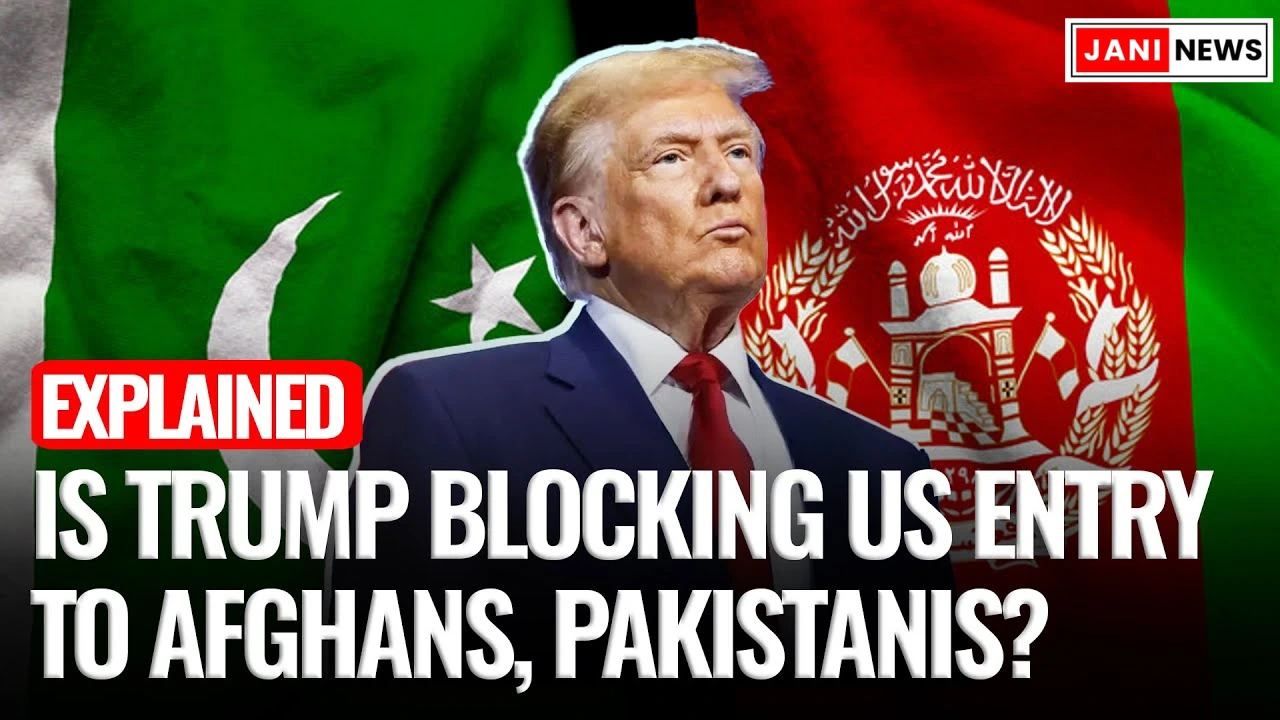
By evening, USCIS dropped the hammer: no more processing of Afghan-related visas, green cards, or refugee claims until a full security audit wraps up. “The safety of our homeland comes first,” they posted on X, echoing Trump’s rhetoric. This isn’t just paperwork; it’s a lifeline yanked away for families in limbo, aid workers separated from loved ones, and students eyeing U.S. colleges. Experts estimate it could delay thousands of applications by months—or longer—if red flags pile up.
And Trump didn’t stop there. He’s ordered 500 more National Guard troops to D.C., on top of the 2,000+ already deployed for immigration enforcement and crowd control. Defense Secretary Pete Hegseth greenlit the move, though it’s mired in legal quicksand—a federal judge just ruled the current deployment probably breaks the law by using military for domestic policing. The White House is appealing, buying time, but critics like the ACLU are gearing up for a fight. “This is fear-mongering at its worst,” one legal expert told me off the record. “Turning soldiers into border cops erodes the very freedoms we’re supposed to protect.”
What This Means for Afghan Americans and U.S. Policy Going Forward
Zoom out, and this isn’t just a D.C. headline—it’s a seismic shift in how America views its Afghan allies. Since 2021, over 100,000 Afghans have rebuilt lives here, contributing to everything from Silicon Valley startups to corner delis. But incidents like this? They stoke the flames of suspicion, especially in a post-election climate where immigration topped Trump’s victory playbook.
Think about it: What if you’re an Afghan mom in Kabul, documents in hand, dreaming of reuniting with your engineer husband in Ohio? Or a vet from Kandahar who saved U.S. lives, now watching his parole expire amid the freeze? The human cost is staggering. Advocacy groups are already mobilizing—petitions circulating, calls flooding Capitol Hill—to carve out humanitarian exceptions.
On the flip side, proponents of the pause argue it’s common sense. FBI Director Kash Patel, in a briefing, stressed that “one lapse can cost lives,” pointing to internal Guard memos from August that flagged rising threats from “grievance actors” and overseas ties. Fair point—better safe than sorry, right? Yet history whispers caution: Remember the WWII internment of Japanese Americans? Fear-driven policies rarely age well.
As investigations deepen, we’ll learn more about Lakanwal’s path and any missed warning signs. For now, D.C.’s healing—candles flickering at makeshift memorials, guardsmen hailed as heroes. But the bigger question lingers: Can we balance compassion with caution without losing our soul?
If you’re an Afghan national navigating this uncertainty or just want to stay ahead of policy shifts, check out resources from the International Rescue Committee—they’ve got free webinars on what’s next. Drop a comment below: How do you think we strike that balance? Let’s talk.
Alex Rivera covers national security and immigration for major outlets like Forbes and The Atlantic. He’s reported from Kabul and the border, always chasing the stories that humanize the headlines.