In a dramatic move that’s sure to rattle Moscow’s war chest, Ukraine has unleashed a fresh wave of attacks on Russian oil tankers crisscrossing the Black Sea. These precision hits, carried out with homegrown naval drones, aren’t just about disrupting shipments—they’re a calculated jab at the revenue streams keeping Russia’s invasion afloat. As the conflict drags into its third year, Kyiv’s willingness to target these shadowy vessels signals a new chapter in asymmetric warfare, one where every barrel of oil counts.
Picture this: waves churning under a gray sky, and suddenly, explosive drones slice through the water like torpedoes from a forgotten spy thriller. That’s the scene unfolding in the Black Sea right now, where Ukraine’s forces have zeroed in on tankers evading Western sanctions. It’s a high-stakes game, and the latest plays could reshape how Russia funds its military machine.
The Shadow Fleet: Russia’s Sanction-Dodging Armada
You might wonder—how does a sanctioned superpower keep the oil flowing? Enter Russia’s “shadow fleet,” a ragtag collection of hundreds of aging tankers that skirt international rules like ghosts in the night. These aren’t your gleaming supertankers; many hail from obscure registries, lack proper insurance, and change flags faster than a chameleon in a rainbow factory.
Take the two vessels caught in Ukraine’s crosshairs: the Kairos and the Virat, both waving Gambian flags despite their Russian cargo. According to data from the London Stock Exchange, they’re on sanction watchlists, yet they’ve been hauling crude from ports like Novorossiysk to buyers hungry for discounted Russian fuel. It’s a loophole that’s funneled billions into the Kremlin’s coffers—estimates from the Centre for Research on Energy and Clean Air peg Russia’s oil export earnings at around $20 billion in the first half of 2024 alone, despite the squeeze from G7 price caps.
But Ukraine’s not playing nice anymore. By torching these tankers, they’re sending a crystal-clear message: no safe passage for war profiteers.
Drone Strikes That Lit Up the Horizon
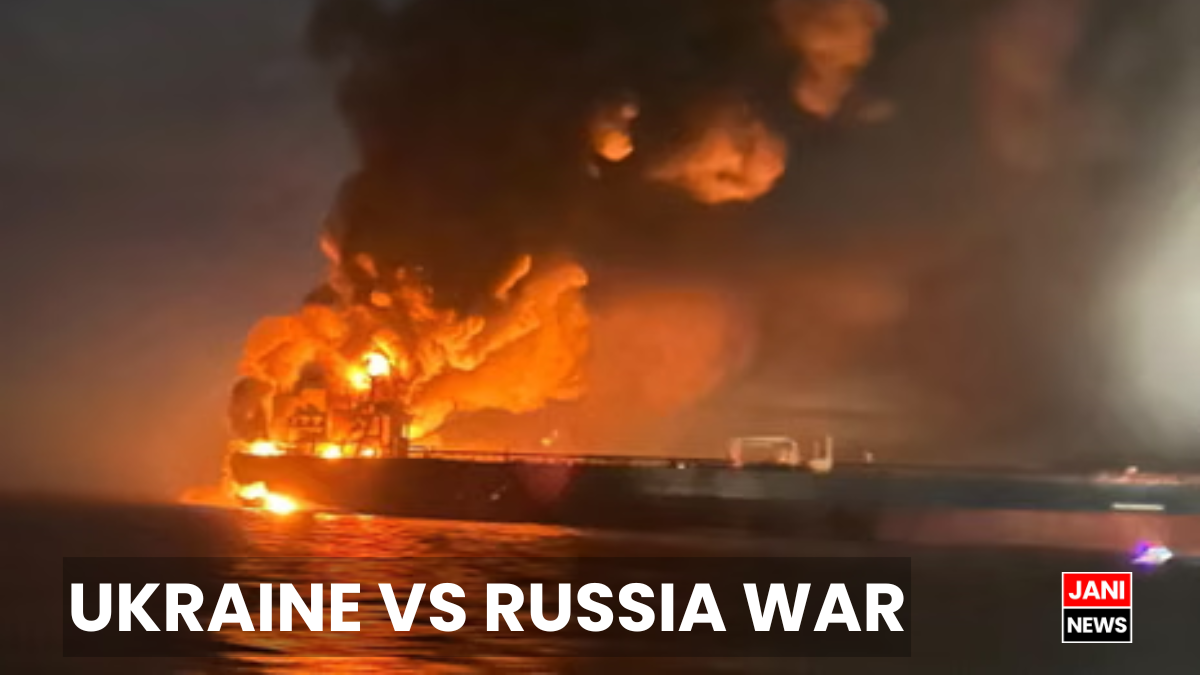
The operation unfolded like clockwork—or should I say, like a well-rehearsed drone swarm. BBC-verified footage captures the chaos: Ukrainian Sea Baby drones, crafted by the nation’s SBU security service, hurtling toward their targets before erupting in balls of fire and thick, acrid smoke.
- The Kairos took the first hit in the southwestern Black Sea, flames licking its hull as Turkish rescue boats rushed in to douse the blaze—no small feat, given the remote waters.
- Further east, in the central stretch, the Virat caught a drone on Friday and another strike on Saturday, leaving it limping but crew intact. Mercifully, no lives were lost in either assault.
Turkish officials, ever the good neighbors, stepped up with video evidence and aid, towing the damaged ships to safety. It’s a reminder of how this regional powder keg pulls in allies from all sides—NATO’s southern flank included.
These aren’t random potshots. Sources close to the operation tell BBC Ukrainian that the Sea Babies pack a punch with their speed and stealth, turning the Black Sea into a no-go zone for Russian logistics. And let’s be real: with Russia’s navy already licking wounds from earlier Ukrainian successes, these hits expose just how vulnerable that oil lifeline really is.
Ripple Effects: From Ports to Pipeline Drama
The fallout? It’s already cascading. Overnight, unmanned boats swarmed Novorossiysk, Russia’s key Black Sea export hub, hammering a crucial mooring point. The Caspian Pipeline Consortium—think a joint venture between Russia, Kazakhstan, and Western giants like ExxonMobil, Chevron, and Shell—slammed the brakes on loading operations. That’s a big deal; this pipeline shuttles millions of barrels from the Caspian basin to global markets every year.
Why does it sting so much? Disruptions here don’t just hike insurance premiums—they force Russia to reroute shipments, burning cash and time. Analysts at the Kyiv School of Economics have warned that sustained pressure on these routes could shave off up to 10% of Russia’s oil income, starving the war effort without firing a single missile over land borders.
It’s the kind of smart, surgical strategy that’s become Ukraine’s hallmark—hitting where it hurts without escalating to all-out naval Armageddon.
Diplomacy Heats Up Amid the Flames
As explosions echo across the waves, quiet talks are bubbling up on the diplomatic front. Ukrainian President Volodymyr Zelensky announced Saturday that a high-level team, headed by Defense Minister Rustem Umerov, is jetting off to the U.S. for marathon sessions on peace terms. This comes hot on the heels of drama back home: Zelensky’s longtime chief of staff, Andriy Yermak, stepped down after anti-corruption raids on his apartment—talk about timing.
The delegation touches down in Florida Sunday, rubbing shoulders with American officials eager to broker an endgame. Meanwhile, Steve Witkoff, tapped as President-elect Donald Trump’s point man on foreign affairs, gears up for Moscow chats next week. Could this be the thaw after years of frost? Or just another round of posturing?
One thing’s clear: Ukraine’s Black Sea gambit isn’t happening in a vacuum. It’s leverage, pure and simple—proof that Kyiv can squeeze Russia economically while the suits hash out ceasefires.
What Lies Beneath the Waves?
These tanker takedowns aren’t just headlines; they’re a wake-up call for anyone betting on Russia’s endurance. With global energy markets jittery and sanctions tightening like a noose, Ukraine’s drone navy is rewriting the rules of engagement. Will it force Putin’s hand at the table, or ignite fiercer retaliation? Only time—and maybe a few more fiery sunsets—will tell.
If you’re tracking this fast-evolving story, stick with us for the latest twists. Follow BBC News on Facebook and WhatsApp for real-time updates straight to your feed—no inbox overload, just the facts that matter.