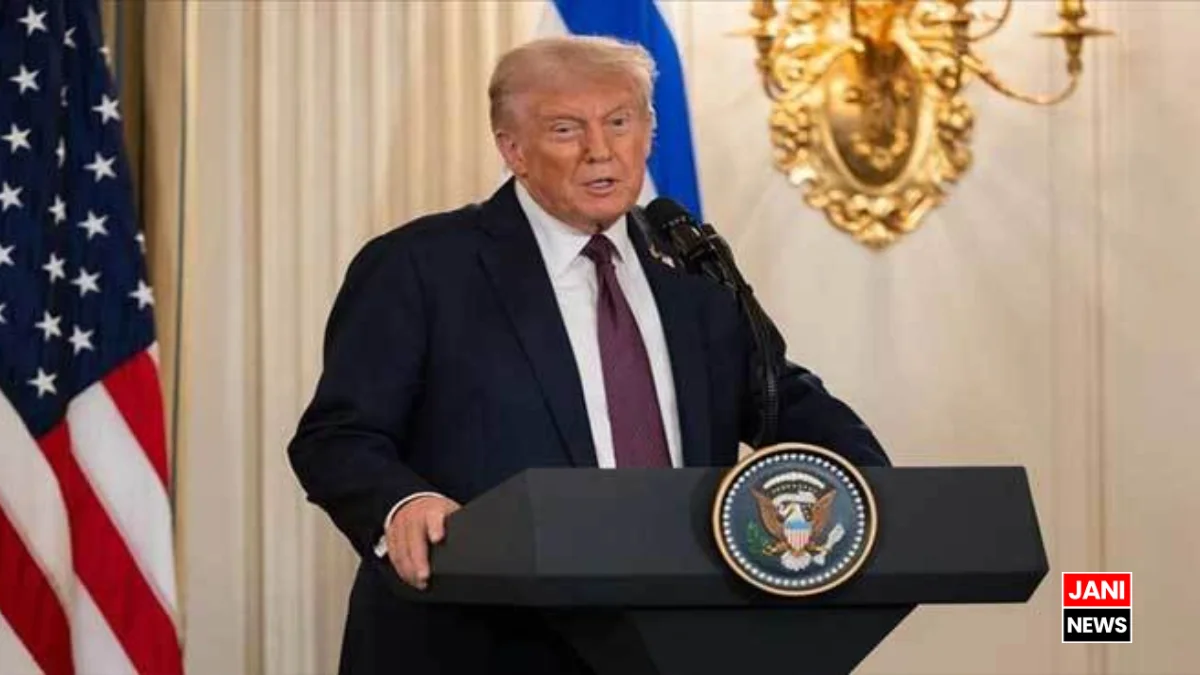
Hey there, if you’ve been keeping an eye on global headlines, you know things are heating up fast between the U.S. and Venezuela. Just the other day, Donald Trump dropped a bombshell statement that’s got everyone talking. He flat-out declared that Venezuela’s airspace should be treated as off-limits—like it’s already closed for business. Coming from a guy who’s no stranger to stirring the pot, this isn’t just rhetoric; it’s a signal of escalating friction that could ripple across international travel, trade, and diplomacy. Let’s unpack what this means and why it’s making waves right now.
The Spark Behind Trump’s Statement
Picture this: You’re planning a flight from Miami to Bogotá, and suddenly, the route over Venezuela’s skies vanishes from your options. That’s the kind of disruption Trump seems ready to push for. In a recent interview, the former president—and current Republican frontrunner—didn’t mince words. He argued that the Venezuelan government’s actions have made their airspace a no-go zone for American carriers and, by extension, much of the world.
Why now? Well, it’s tied to a fresh wave of sanctions the Biden administration slapped on Venezuelan officials and entities last week. Those measures targeted key figures in Nicolás Maduro’s inner circle, citing human rights abuses and election meddling. Trump, ever the opportunist, seized the moment to amplify his own tough-on-Venezuela stance. “Their airspace should be considered closed,” he said, emphasizing that U.S. airlines ought to steer clear until the regime shapes up.
It’s a classic Trump move—bold, unfiltered, and aimed straight at his base. But let’s be real: This isn’t hyperbole without precedent. Back in 2019, during Trump’s first term, the U.S. already imposed flight bans over parts of Venezuela due to safety risks from political unrest. Fast-forward to today, and with Maduro clinging to power amid disputed elections, the risks feel eerily similar.
What Closing Venezuelan Airspace Really Entails
Ever wonder how airspace closures work in the real world? They’re not like flipping a switch on a runway light. The Federal Aviation Administration (FAA) issues notices to airmen (NOTAMs) that airlines must follow, rerouting flights and jacking up fuel costs. For Venezuela, a full closure would mean detours over the Caribbean or South America, adding hours—and headaches—to journeys.
Here’s a quick breakdown of the potential fallout:
- For Travelers: Expect longer layovers and pricier tickets. A direct flight from New York to Lima might balloon from 6 hours to 8, burning extra jet fuel and your patience.
- For Airlines: Major carriers like American and Delta, which fly tons of routes skirting Venezuelan airspace, could see operating costs spike by 10-15% on affected legs (based on FAA estimates from similar bans). That’s real money—think millions in lost efficiency.
- Broader Ripple Effects: Cargo hauls from oil-rich Venezuela to global markets grind slower, potentially nudging up energy prices. And don’t get me started on the humanitarian angle—medical supply flights to remote areas could face brutal delays.
Trump’s push echoes concerns from aviation watchdogs. The International Air Transport Association (IATA) has long flagged Venezuela’s skies as high-risk, citing everything from unreliable radar systems to sporadic military intercepts. In fact, a 2023 IATA report highlighted over 20 near-miss incidents in Latin American airspace alone, underscoring why leaders like Trump are drawing hard lines.
Trump’s Play in the Bigger Geopolitical Game
You have to hand it to him—Trump knows how to turn a policy jab into prime-time drama. This airspace call isn’t isolated; it’s part of his broader narrative on “America First” foreign policy. Remember his 2020 threats to invade Venezuela? Or the drone buzz over Caracas that had the world on edge? He’s doubling down, positioning himself as the unyielding foe of socialist regimes.
Critics, though, see it as election-season saber-rattling. With the 2024 race in full swing (wait, scratch that—by now, it’s the post-election dust settling into 2025’s early innings), Trump’s words could pressure the current administration to harden its stance. And Maduro? He’s already firing back, calling it “imperialist bluster” in a state TV address.
One thing’s clear: This isn’t just about skies. It’s a proxy for deeper U.S.-Venezuela tensions over oil sanctions, migration crises, and that thorny question of democracy in the hemisphere. As someone who’s followed these beats for years, I can’t help but think—will this lead to real change, or just more hot air?
Navigating the Uncertainty: What Comes Next?
So, where does this leave us? Airlines are watching closely, and the FAA hasn’t issued any new advisories yet. But if Trump’s influence sways policy—especially with Republican gains in Congress—don’t be shocked if Venezuelan airspace joins the list of global no-fly zones, alongside places like Ukraine or Yemen.
For now, it’s a reminder of how quickly international travel can pivot on politics. If you’re booking trips through South America, check those flight paths twice. And hey, in a world this volatile, staying informed feels more crucial than ever.
What do you think—smart strategy or risky escalation? Drop your take in the comments below. And if you want more breakdowns on global news that hits close to home, why not follow us on Facebook and WhatsApp? We’ll keep you in the loop without the fluff.