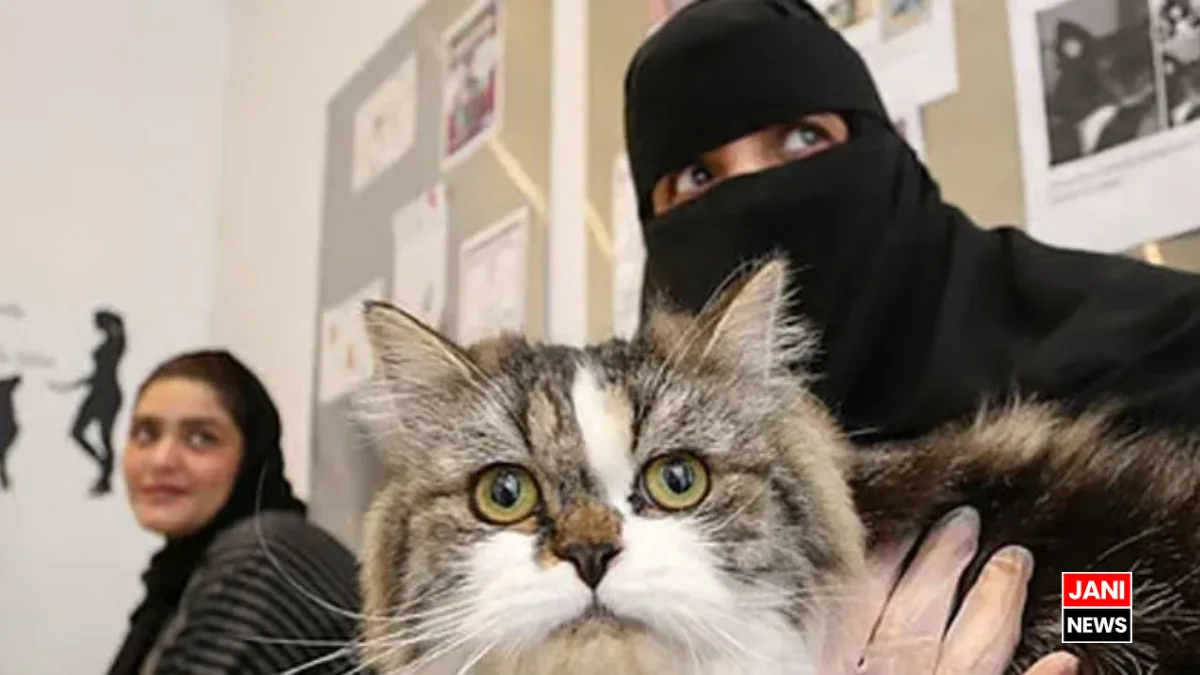
Hey there, fellow animal lovers—if you’ve ever daydreamed about scooping up a fluffy pup or a sleek feline from overseas to add to your family, Kuwait’s latest move might just put a pause on those plans. Starting right away, the country has thrown up a big stop sign on the commercial import of dogs and cats. It’s a bold step aimed at keeping everyone’s four-legged friends safer and healthier. Let’s dive into what’s happening, why it matters, and what it means for pet enthusiasts in the region.
Why the Sudden Shift? Protecting Pets and People Alike
Picture this: you’re at the airport, excited to pick up your new buddy, only to find out the rules have changed overnight. That’s the reality hitting importers and breeders today. Kuwait’s Ministry of Trade and Industry dropped this bombshell to tackle a sneaky but serious issue—rabies. Yeah, that dreaded word. The virus has been popping up more frequently in imported animals, turning what should be a joyful homecoming into a potential health nightmare.
According to the World Health Organization, rabies claims around 59,000 lives globally each year, with over 99% of cases stemming from dog bites. In the Gulf, where travel and trade buzz constantly, unchecked pet imports can act like a Trojan horse for such diseases. Kuwait isn’t alone in this worry; neighbors like Saudi Arabia and the UAE have tightened their own borders in recent years. But here’s the kicker—this ban isn’t about shutting out pets entirely. It’s laser-focused on commercial operations, those big-scale shipments often linked to breeding mills where health checks can slip through the cracks.
I remember chatting with a vet friend last year who shared a heartbreaking story: a litter of kittens arrived in Dubai looking picture-perfect, but hidden behind those cute faces was an outbreak that sidelined an entire clinic. Stories like that make you nod along to decisions like Kuwait’s. It’s proactive, not punitive.
The Fine Print: What’s Banned and What’s Still Okay
So, exactly how wide is this net? The new rules slam the door on any commercial entry of dogs and cats—no ifs, ands, or buts. That means no more bulk orders for pet shops or breeders crossing the border for sale. If you’re a business eyeing a shipment of golden retrievers or Siamese cats to stock your shelves, you’ll need to pivot fast.
But hold on—it’s not all doom and gloom for personal pet parents. Private imports? Totally fine, as long as you jump through the right hoops. We’re talking:
- Full veterinary certification: Proof your furry friend is vaccinated, microchipped, and disease-free.
- Quarantine clearance: A stint in isolation to ensure no surprises.
- Health passports: Official docs from the origin country, stamped and verified.
Think of it like airport security for your pet—annoying but ultimately reassuring. For families relocating or folks gifting a companion to relatives, these steps keep the joy intact without the risks. And for locals dreaming of a specific breed, well, adoption from Kuwaiti shelters might just become the hero of the story. With over 10,000 stray animals estimated in the country (per local animal welfare reports), it’s a win-win that tugs at the heartstrings.
Bigger Picture: A Ripple Effect Across the Gulf
This isn’t just a Kuwaiti quirk; it’s part of a broader wave sweeping the Middle East. Remember when Qatar ramped up its import scrutiny back in 2022? Similar vibes. Officials here are betting this will cut down on illegal trafficking too—those shadowy operations that sneak animals in without papers, often leading to suffering on all sides.
From an economic angle, it’s a mixed bag. Pet trade businesses might grumble about lost revenue—global pet imports hit $2.5 billion in the Arab world last year alone, per industry trackers. But on the flip side, it could boost local breeding standards. Imagine higher-quality, ethically sourced pups right at home. That’s the silver lining vets and activists are already buzzing about.
One expert I follow on social media put it perfectly: “Bans like this force us to get smarter about responsible ownership. It’s evolution, not extinction, for the pet industry.”
What Should You Do Next? Tips for Smooth Sailing
If you’re in Kuwait or planning a move there with your pet in tow, don’t panic—just prepare. Start by double-checking with the Ministry’s hotline or their updated guidelines online. And hey, while you’re at it, why not swing by a local rescue? Who knows—you might find your next best friend waiting, tail wagging.
Got questions or your own pet travel tales? Drop them in the comments below. And if you want more scoops on global pet news, travel hacks, and feel-good animal stories delivered straight to your feed, follow us on Facebook and WhatsApp today. We’re all about keeping you in the loop, one paw print at a time. What’s your take on this ban—fair play or overkill? Let’s chat!