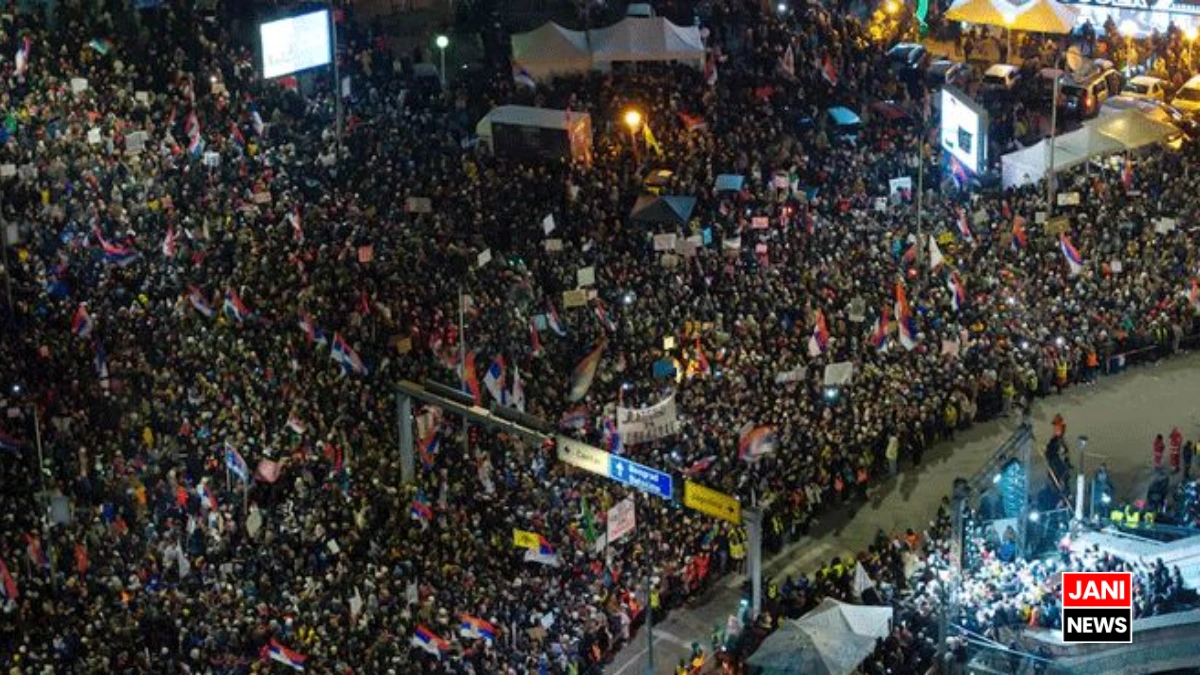
Manila’s usually chaotic streets turned into a sea of frustration this weekend as thousands of Filipinos poured out their anger over what many are calling a blatant rip-off in the country’s flood control efforts. It’s the kind of story that hits hard—especially in a nation where heavy rains can turn lives upside down in hours. If you’ve ever watched a loved one’s home swallowed by floodwaters, you know the sting of broken promises. Today, we’re diving into why this protest erupted, what the flood control project was supposed to fix, and what it means for everyday folks battling the elements.
The Spark That Lit the Fuse: A Project Gone Wrong
Picture this: The Philippine government rolls out a multi-billion-peso flood control initiative back in 2022, promising state-of-the-art drainage systems, elevated waterways, and barriers to keep monsoon mayhem at bay. Dubbed the “Metro Manila Flood Management Program,” it was meant to shield over 13 million residents from the annual deluge that claims lives and livelihoods. Fast forward to now, and reports of shoddy work, ghost contractors, and siphoned funds have turned hope into fury.
According to a recent audit by the Commission on Audit—yep, those folks who keep tabs on public spending—the project is riddled with irregularities. Over 20% of the allocated 50 billion pesos (about $850 million USD) couldn’t be accounted for, with invoices for materials that never arrived and subcontractors who vanished like morning mist. It’s not just numbers on a page; it’s concrete (or lack thereof) that failed during last month’s super typhoon, leaving neighborhoods like Tondo and Navotas underwater for days. One resident I spoke with via local forums likened it to “building a dam with tissue paper—looks good on paper, crumbles when it counts.”
Voices from the Frontlines: What Protesters Are Demanding
The rally kicked off at dawn on Sunday, November 30, outside the Department of Public Works and Highways headquarters in Quezon City. By midday, the crowd swelled to an estimated 5,000 strong—moms with kids on shoulders, farmers in mud-stained boots, and urban workers waving placards that read “No More Floods, No More Fraud!” Police kept things mostly peaceful, but tensions simmered with a few scuffles when barriers were pushed.
These aren’t faceless agitators; they’re people whose stories echo a deeper crisis. Take Maria Santos, a 45-year-old vendor from Malabon: “We’ve paid our taxes for years, and this is what we get? My stall was ruined twice this season because the drains they ‘built’ clog after one rain.” Her words capture the raw betrayal felt across the archipelago, where flooding displaces over 1.5 million people annually, per World Bank stats.
Protesters aren’t stopping at shouts. Their demands boil down to a straightforward list:
- Full investigation and prosecution: Hand over the culprits to the Ombudsman for embezzlement charges—no slaps on the wrist.
- Project overhaul: Scrap the current mess and restart with transparent bidding, community oversight, and tech like AI-monitored construction (think drones spotting fake progress).
- Immediate relief: Emergency funds for flood-hit families, plus free repairs for those shoddy infrastructures.
It’s a call that’s gaining traction online, with #FloodFraudPH trending on social media and petitions circling 100,000 signatures already.
A Deeper Dive: Why Flood Scams Sting So Much in the Philippines
Let’s zoom out a bit. The Philippines sits smack in the Pacific Ring of Fire and typhoon alley, enduring about 20 storms a year. That’s why investments like this flood control push aren’t luxuries—they’re lifelines. Yet, corruption nibbles away at the edges. Transparency International ranks the country 116th out of 180 for graft perception, and infrastructure projects often top the scandal list. Remember the 2010 Quirino aquifer mess? Billions vanished, bridges collapsed. History rhymes, doesn’t it?
Experts point to a mix of culprits: lax regulations, political favoritism in contracts, and oversight that’s more rubber stamp than watchdog. But there’s a silver lining in these storms—grassroots groups like the People’s Surge are stepping up, training locals to monitor builds with simple apps that flag discrepancies in real-time. It’s empowering, turning victims into vigilant guardians.
Government on the Hot Seat: Responses and What’s Next
As the chants echoed, Public Works Secretary Manuel Bonoan faced the press, vowing a “swift probe” and blacklisting suspect firms. “We hear you,” he said, though skeptics rolled their eyes—similar pledges fizzled after past exposés. President Ferdinand Marcos Jr.’s office chipped in with a statement promising accountability, but details? Thin as the flood barriers themselves.
Looking ahead, this could be a tipping point. If the investigation uncovers ties to high places (whispers suggest a senator or two), it might spark broader reforms—like mandatory blockchain tracking for public funds. For now, though, the real test is monsoon season 2026. Will the waters recede, or will distrust flood deeper?
In a place where resilience is woven into the culture—like rebuilding after every blow—these protests remind us that anger, channeled right, builds stronger foundations. What’s your take? Have you faced similar letdowns in public projects where you live?
If stories like this hit home and you want more on global accountability and community wins, subscribe to our newsletter for weekly deep dives. And hey, follow us on Facebook and WhatsApp to join the conversation—get alerts on breaking news and tips straight to your feed. Let’s stay connected and keep pushing for change.