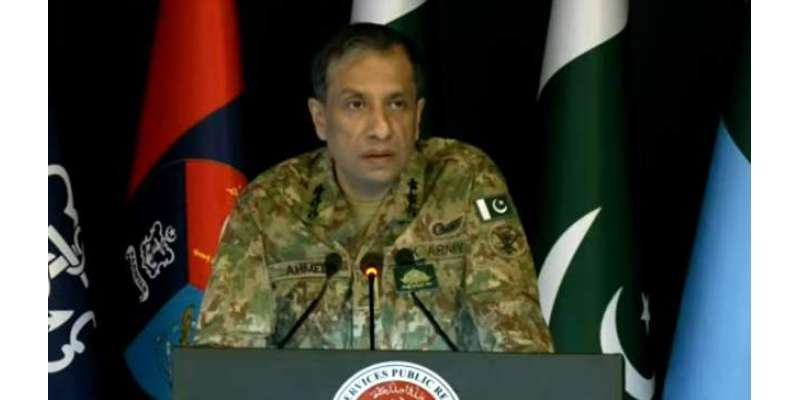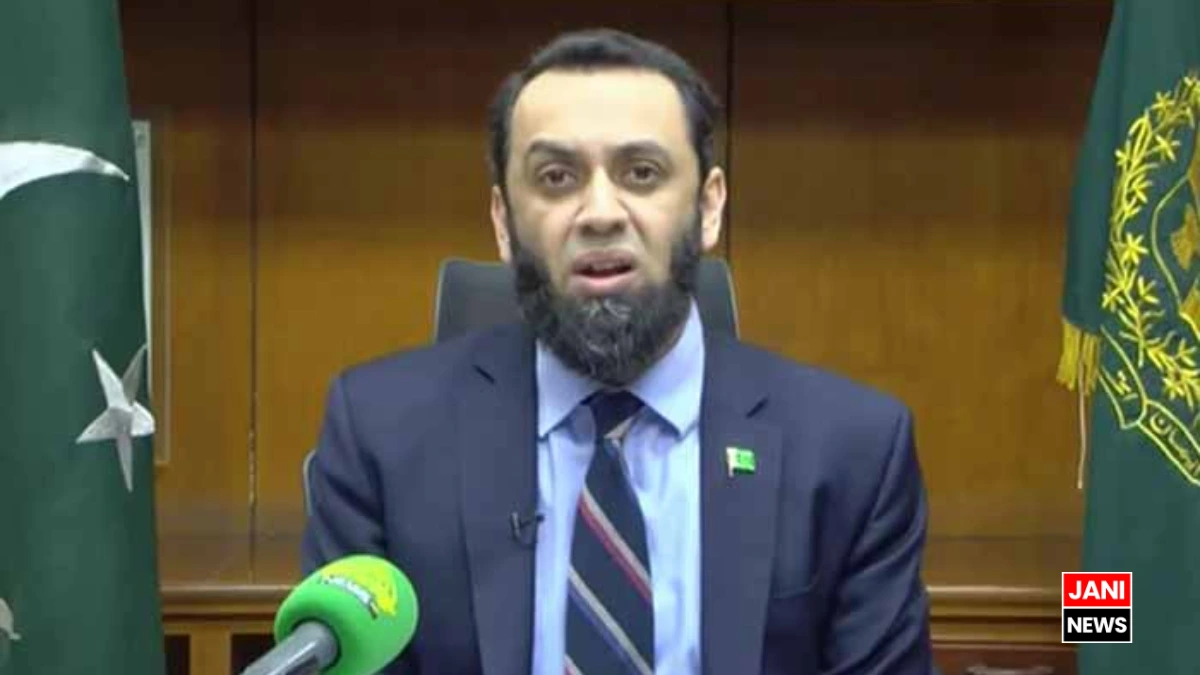
In the heated world of Pakistani politics, family ties can turn into front-line battlegrounds. Just yesterday, Information Minister Attaullah Tarar didn’t hold back during a fiery press conference in Lahore. He took direct aim at the sisters of former Prime Minister and PTI founder Imran Khan, slamming their recent chats on Indian TV channels as a blatant attempt to tarnish Pakistan’s image. It’s the kind of drama that makes you wonder: when does personal loyalty cross into national betrayal?
Tarar, speaking with the kind of unfiltered passion that only comes from years in the political trenches, called out what he sees as a deliberate smear campaign. “Why didn’t they bring up Kashmir or the sacrifices at Marka-e-Haq while chatting with those Indian outlets?” he asked pointedly. Instead, he argued, they’ve used the platforms to push narratives that undermine Pakistan at every turn. It’s not just talk—Tarar painted it as part of a broader propaganda push spilling over from Indian and Afghan media alike.
A Personal Jab Amid Broader Accusations
Let’s zoom in on one particularly sharp critique. Tarar zeroed in on Noreen Niazi, one of Khan’s sisters, wishing aloud that she’d highlighted Pakistan’s military triumphs—like the downing of seven enemy aircraft—instead of shedding tears for her brother. You know, the same guy currently tangled in a £190 million corruption probe? Ouch. “They should feel ashamed,” Tarar added, his voice carrying the weight of someone who’s seen too many family feuds spill into public policy.
This isn’t isolated finger-pointing, though. The minister linked it straight to PTI’s top brass, claiming Khan’s inner circle has been jet-setting abroad, fanning anti-Pakistan flames wherever they land. It’s a narrative that’s echoed through Islamabad’s corridors for months now—PTI accused of chipping away at the country’s institutions through a toxic mix of fake news and street-level unrest. Ever feel like politics is just one big family argument, but with higher stakes?
Beyond the Family Feud: Cracks in Khyber Pakhtunkhwa’s Governance
Tarar didn’t stop at sibling rivalries. He pivoted hard to the governance mess in Khyber Pakhtunkhwa (KP), PTI’s stronghold, where he alleges the provincial setup is a hotbed for everything from smuggled cars to underground mining ops and rampant drug rings. Picture this: billions in untapped tobacco taxes vanishing into thin air, all while those in charge allegedly cozy up to cartels. “The pockets of the powerful in KP are getting lined,” Tarar quipped, exposing what he calls a dangerous tangle of politics, terror, and crime.
- Non-custom-paid vehicles flooding the roads: Thousands of them, dodging duties and fueling black markets.
- Illegal mining and drug trafficking: Turning scenic valleys into no-go zones, with law enforcement looking the other way.
- Lost revenue streams: Especially in tobacco, where oversight has gone AWOL—think millions siphoned off annually.
It’s a stark reminder of how local failures can ripple out nationally. Tarar didn’t mince words: PTI’s watch has let this “nexus” thrive, eroding trust in the very systems meant to protect everyday folks.
Security Wins and Economic Bright Spots
On a more upbeat note—or at least from the government’s angle—Tarar touted some solid responses to external threats. When infiltrators tried slipping across from Afghanistan recently, Pakistan’s forces hit back with everything they’ve got. “Our army delivered a full, resounding reply,” he said, underscoring a no-nonsense stance on border security. In a region where tensions simmer like a pot left too long on the stove, that’s the kind of resolve that rallies support.
And let’s not forget the economy. Tarar highlighted drops in inflation, swelling foreign reserves, and real relief for exporters—small victories that add up in tough times. He took a swipe at PTI’s economic know-how, or lack thereof, while nodding to the May 9 riots as another chapter in their book of disruptions. It’s classic political chess: counter every punch with a progress stat.
What’s at Stake in This Political Powder Keg?
At its core, this spat isn’t just about TV interviews or family gripes—it’s a microcosm of Pakistan’s deeper divides. With PTI painting the current setup as authoritarian and the government firing back on corruption and sabotage, the public gets caught in the crossfire. Recent polls (like those from Gallup Pakistan) show trust in institutions hovering around 40%, a dip that’s got everyone—from Lahore’s cafes to Islamabad’s halls—talking about unity over infighting. Could this latest volley push things toward reconciliation, or just deepen the rift?
As someone who’s followed these twists and turns for years, I can’t help but think: imagine if that energy went into bridging gaps instead. Pakistan’s got enough external pressures without turning inward.
What do you think—fair critique or just more mudslinging? Drop your take in the comments, and if you want more unfiltered insights on South Asian politics, hit that subscribe button or follow us on Facebook and WhatsApp for daily updates straight to your feed. Stay informed, stay engaged.