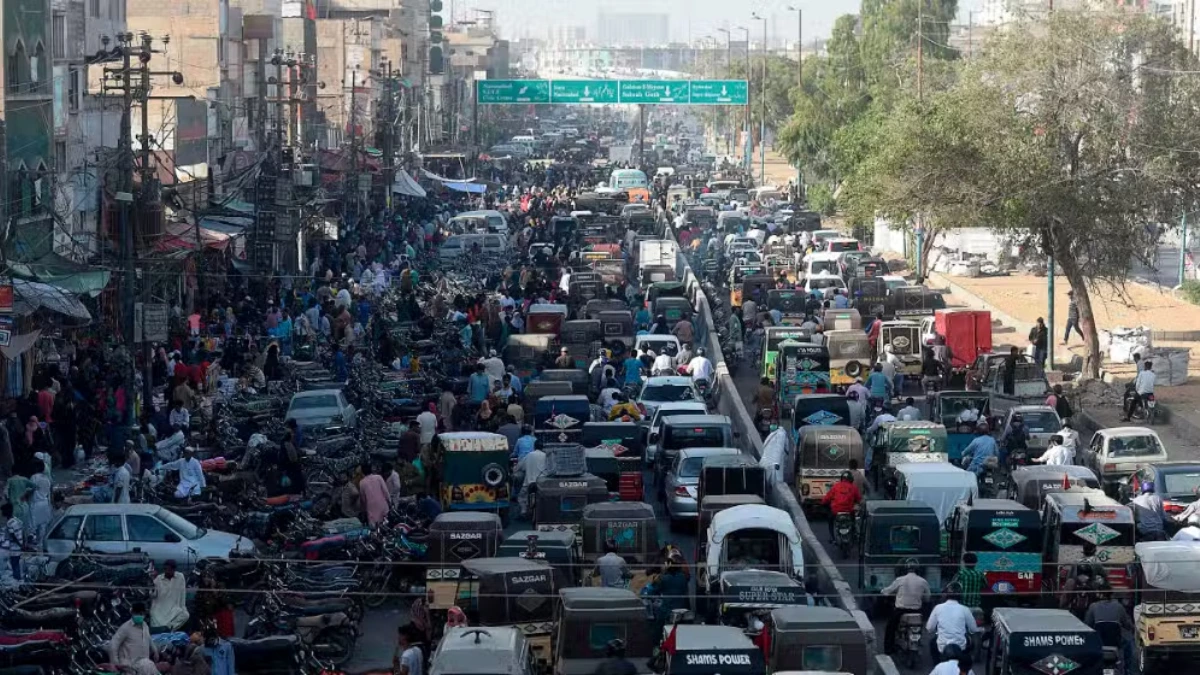
Picture this: You’re cruising down a Karachi street, dodging potholes like they’re landmines, only to get slapped with an e-challan for a minor slip-up at a glitchy traffic light. It’s frustrating, right? That’s the reality for millions of drivers in Pakistan’s biggest city these days. As digital fines—those handy e-challans—keep climbing, the very roads and signals meant to keep traffic smooth are falling apart at the seams. Let’s dive into what’s going on, why it’s a mess, and if there’s any light at the end of this congested tunnel.
The E-Challan Boom: Quick Cash or Real Fix?
E-challans have become Sindh’s go-to tool for taming Karachi’s wild traffic. These electronic tickets, snapped via cameras and apps, aim to catch everything from speeding to illegal parking without the old-school paperwork hassle. But here’s the rub—they’re raking in revenue like never before, even as drivers grumble about fairness.
Think about it: While enforcement ramps up, the basics aren’t keeping pace. Pothole-riddled streets turn every drive into an adventure, and faulty signals leave intersections in chaos. It’s like putting a Band-Aid on a broken leg—necessary, maybe, but hardly healing.
A Patchwork of Problems: Why Karachi’s Roads Are Crumbling
Karachi’s traffic woes aren’t new, but they’re getting worse. The city’s infrastructure feels like it’s stuck in a time warp, with responsibilities scattered across too many hands. You’ve got the Traffic Engineering Bureau (TEB) under the Karachi Development Authority (KDA), the Sindh Mass Transit Authority (SMTA), and even cantonment boards all dipping into the pot. No wonder coordination is a nightmare.
Take the traffic signals, for starters. Out of 130 across the city, 90 fall under TEB’s watch—but they’re only maintaining about 50. The rest? Nonfunctional relics gathering dust, desperately needing overhauls. Then there are the 40 handled by cantonment boards, which often fare no better. Roads themselves are a sorry sight: uneven markings, missing U-turns, and faded zebra crossings that confuse more than they guide.
KDA’s Director General, Asif Jan Siddiqui, put it bluntly in a recent briefing. “We’re scraping by just to keep what’s already there afloat,” he said, pointing to brutal budget shortfalls. It’s a vicious cycle—limited funds mean skimpy maintenance, which breeds more violations and, ironically, more e-challans to fund the fines.
And don’t get me started on the human cost. Congestion doesn’t just waste hours; it spikes accidents and pollution. According to local reports, Karachi’s traffic snarls contribute to thousands of crashes yearly, turning commutes into high-stakes gambles.
Who’s Stepping Up? SMTA’s Band-Aid Efforts
In the midst of this disarray, the SMTA is at least trying to plug some holes—literally and figuratively. They’ve rolled out 11 brand-new signals in hotspots like Model Colony, Gulberg, and Steel Township, places where backups used to stretch for miles. On top of that, they’ve upgraded 24 out of 27 existing ones through their Annual Development Plan, tweaking timings to ease the flow.
Signage got a boost too: 243 fresh traffic boards now dot key routes, from Shahrah-i-Quaideen to Saddar. It’s progress, sure—drivers in those areas are already noticing smoother merges and fewer honk-fests. But SMTA’s Managing Director, Kanwal Nizam Bhutto, admits it’s piecemeal. “We’re doing what we can with what we’ve got,” she noted, hinting at bigger battles over budgets and turf.
These tweaks help, but they’re no silver bullet. Without a unified approach, one agency’s shiny new light often clashes with another’s neglected stretch, leaving the overall system as tangled as ever.
Dreams of a Traffic Overhaul: Enter the KTMC
So, what’s the endgame? The Sindh government is floating a bold idea: a Karachi Traffic Management Company (KTMC). Picture a one-stop shop handling everything from signal installs to road repairs, chaired by the mayor and roping in the commissioner plus private-sector brains. It’d swallow up TEB entirely, funded in part by slicing off a chunk of e-challan earnings.
DIG Traffic Pir Muhammad Shah laid it out during a chat with industrial bigwigs. “This setup would channel fine money straight back into fixes,” he explained, emphasizing shares earmarked for markings, U-turns, and crossings. Sounds promising, doesn’t it? A centralized force could finally sync signal timings, redesign problematic junctions, and maybe even preempt those pothole pitfalls.
There’s a backup plan too: folding TEB into the Karachi Metropolitan Corporation for streamlined ops. But the commissioner keeps it real—these are still “conceptual,” simmering on the back burner amid political jostles. I’ve seen these proposals before; they spark hope, then fizzle if funding falters. Fingers crossed this one’s different.
The Bigger Picture: Fines Without Foundations?
At its core, this e-challan surge spotlights a deeper truth: You can’t enforce rules on a stage that’s collapsing. Drivers aren’t dodging fines out of spite—they’re reacting to signals that blink out mid-rush or roads that swallow tires whole. Until infrastructure catches up, these digital dings feel more punitive than preventive.
What do you think—will the KTMC idea actually roll out, or is it another pipe dream? Karachi deserves better, and with e-challans proving enforcement works, imagine redirecting that revenue to real roads.
If you’re navigating these streets daily (or just love keeping tabs on city fixes), hit that subscribe button or follow us on Facebook and WhatsApp for the latest scoops. Let’s stay connected—your drive might thank you.