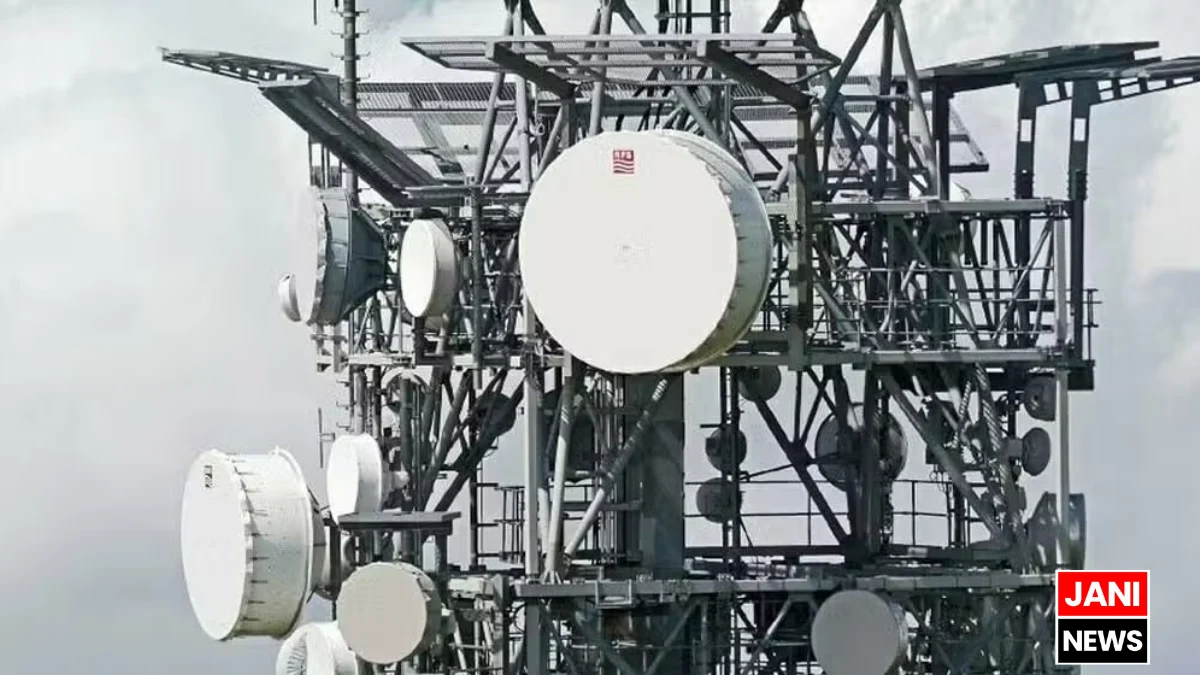
Imagine trying to connect a whole country digitally, only to find that the builders you’ve licensed are mostly sitting on the sidelines. That’s the frustration the Pakistan Telecommunication Authority (PTA) has been grappling with for years. Now, in a bold move to kickstart real progress, the PTA’s rolling out proposals for stricter rollout obligations on Telecom Infrastructure Provider (TIP) licensees. These changes aim to transform vague permissions into concrete action, ensuring that Pakistan’s digital dreams—think faster internet, stronger networks, and broader access—actually take shape.
It’s a timely push, especially as our nation races to bridge the connectivity gap. With over 190 million mobile subscribers already (according to PTA’s latest stats), we can’t afford half-hearted infrastructure builds. Let’s dive into what this means, why it matters, and how it could reshape the telecom landscape.
What Are TIP Licenses, Anyway?
At their core, TIP licenses are like golden tickets for companies to lay the groundwork for Pakistan’s telecom future. They greenlight the setup and upkeep of heavy-hitting infrastructure: think massive Earth Stations for satellite signals, sprawling Satellite Hubs, miles of Optical Fiber Cables snaking underground, Radio Communication Links beaming data across distances, and even Submarine Cable Landing Stations where international undersea lines hit our shores. Oh, and don’t forget the nuts-and-bolts stuff—towers, poles, ducts, and pits that hold it all together.
Sounds impressive, right? But here’s the rub: many of these licensees have been more dreamers than doers. They’ve pocketed the approvals but delivered precious little in return. The PTA’s consultation paper calls this out loud and clear, proposing a no-more-excuses approach to get things moving.
The New Rollout Rules: No More Foot-Dragging
Under these fresh proposals, TIP holders won’t just promise the moon—they’ll have to deliver it, step by step, over a clear timeline. The PTA’s breaking it down by infrastructure type, making sure every licensee picks a lane and sticks to it. It’s all about measurable milestones that build momentum year after year.
Here’s a quick rundown of what they’re suggesting:
- Earth Stations or Satellite Hubs: Hit the ground running with at least one setup in your first year. No delays—just get that satellite link humming to boost remote connectivity.
- Optical Fiber Cables: Commit to laying down 60 kilometers of fiber each year for five straight years. That’s like stringing a high-speed highway under our cities and towns, fiberizing networks to handle the data deluge from streaming, remote work, and everything in between.
- Towers or Radio Links: Erect 10 new towers or install that many radio communication links annually over five years. Picture it: taller masts dotting the landscape, filling coverage black spots in rural Punjab or bustling Karachi suburbs.
- Submarine Cable Landing Stations: This one’s a three-year sprint. Year one: Snag your Permit in Principle (PiP). Year two: Build the station and chase that commencement certificate. Year three: Go live and start funneling global bandwidth into Pakistan.
These aren’t pie-in-the-sky ideas; they’re tailored to push operators toward real-world impact without overwhelming smaller players. And if a licensee falls short? Well, the PTA’s hinting at tougher enforcement down the line, though details are still brewing in the consultation phase.
Why Now? The Push for a Connected Pakistan
You might wonder—why tighten the screws at this juncture? Simple: Pakistan’s telecom sector is at a tipping point. We’ve seen explosive growth in mobile usage, but the backbone infrastructure lags. According to a 2024 World Bank report, only about 20% of our fixed broadband relies on fiber—way behind neighbors like India at over 40%. Lax rules have let licensees coast, leaving gaps in network resilience that leave us vulnerable to outages or cyber threats.
The PTA’s not mincing words here. As they put it in the paper, these obligations “will not only increase transparency and accountability but also accelerate the development of critical telecom infrastructure nationwide.” It’s about turning licenses into legacies—ensuring that every tower raised or cable buried edges us closer to universal digital access. For everyday folks, that could mean smoother Zoom calls from Gilgit or lag-free online classes in Quetta.
Plus, in an era where 5G whispers are turning to roars, robust infrastructure isn’t optional; it’s the foundation. These proposals could supercharge investments, drawing in more private cash to fortify our grid against everything from natural disasters to surging data demands.
What This Means for the Telecom Crowd
For TIP operators, it’s a wake-up call wrapped in opportunity. Big players like those behind our submarine cables might welcome the clarity—it levels the playing field and spotlights serious contenders. Smaller outfits? They’ll need to hustle, perhaps partnering up to hit those annual targets. And us consumers? We’re the real winners: faster speeds, fewer dead zones, and a digital economy that finally lives up to the hype.
Of course, the consultation’s open to feedback from stakeholders, so expect some back-and-forth before these become ironclad regs. Will it spark a building boom, or hit roadblocks from cost concerns? Time—and those operator responses—will tell.
In the end, this feels like a smart, overdue pivot. Pakistan’s got the talent and the tech-savvy population; now, with these stricter rollout obligations, we’re stacking the deck for a truly connected tomorrow.
Ready to stay ahead of the curve on Pakistan’s tech scene? Follow us on Facebook and WhatsApp for daily updates, insider tips, and all the buzz you won’t want to miss.