Imagine you’re in the middle of a frantic call to emergency services, heart pounding from a car accident or a sudden health scare. Now picture this: your phone’s camera flips on automatically, broadcasting your surroundings live to a control room halfway across the city. Sounds like a scene from a dystopian thriller, right? Well, that’s the reality unfolding in Punjab, Pakistan, with the Punjab Safe Cities Authority’s (PSCA) shiny new feature in their public safety app. Dubbed a game-changer for quicker response times, it’s got folks buzzing—and not always in a good way. As someone who’s covered tech’s wild ride on privacy for years, I can’t help but wonder: does the rush to “keep us safe” risk turning our pockets into surveillance hotspots?
This update to the PSCA – Public Safety App lets everyday users turn their smartphones into impromptu cameras during crises. It’s rolled out amid Pakistan’s push for smarter urban security, but experts and everyday netizens are raising red flags about the fine print—or lack thereof. Let’s break it down, shall we? Because in a world where data breaches are as common as morning coffee, getting the full scoop matters.
How the New Feature Actually Works
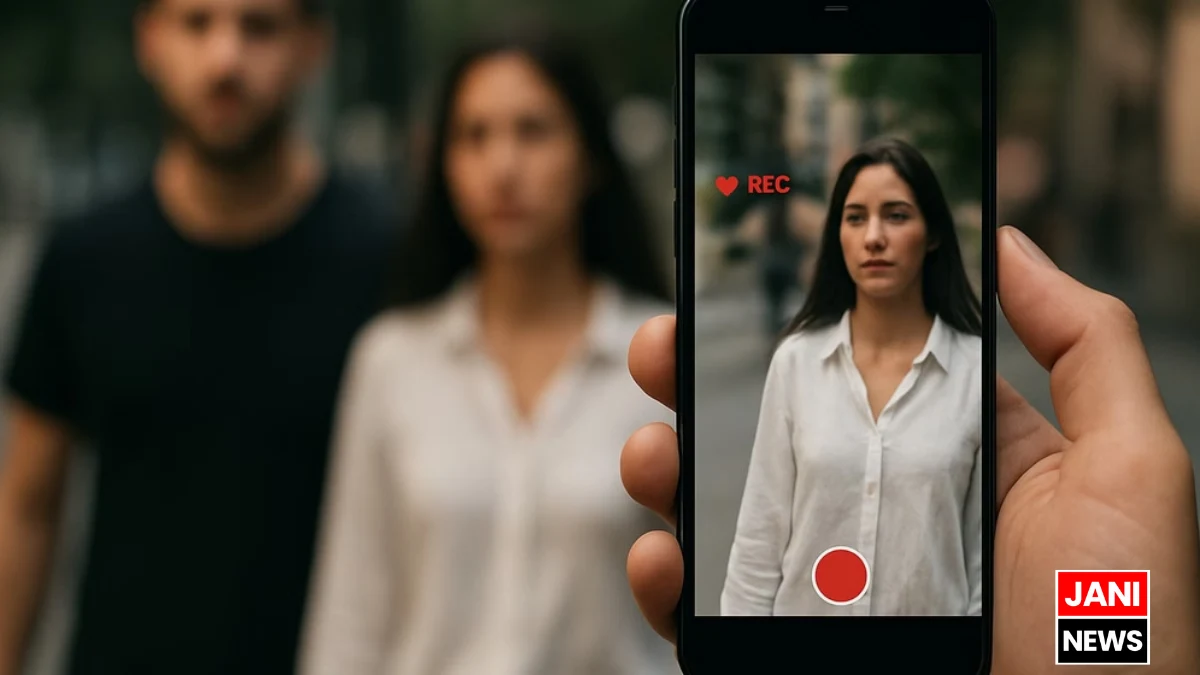
At its core, the system sounds straightforward enough. You’ve dialed the emergency helpline—15 in Punjab—and while you’re spilling the details, responders shoot you a unique live-feed link via the app. Tap it open, and boom: your phone’s camera starts streaming real-time video straight to the Safe City nerve center.
Why the video twist? Officials say it cuts through the fog of frantic descriptions, letting dispatchers eyeball the scene for faster, smarter action. Think swerving traffic, a mugging in progress, or someone collapsing on the sidewalk—visuals could shave precious minutes off response times. And it’s not like Punjab’s starting from scratch; the Safe City network already boasts thousands of fixed cameras across Lahore and beyond, complete with license plate scanners and facial recognition tech that’s been quietly expanding for years.
But here’s the rub: this isn’t just about beefing up stationary eyes in the sky. It’s pulling civilians into the loop, potentially making every smartphone a node in a sprawling surveillance web. For genuine emergencies—like crimes, wrecks, or medical meltdowns—it could genuinely save lives. Yet without ironclad limits, that “emergency” label starts to feel awfully stretchy.
The Privacy Minefield We’re Stepping Into
Let’s cut to the chase: this feature? It’s a privacy powder keg. In a country where leaked footage from traffic cams has already gone viral (remember those embarrassing clips splashed across social media last year?), handing over live mobile streams feels like tempting fate. Who watches? For how long? And what stops a rogue operator from hitting record and sharing the goods?
Picture the scenarios—and they’re not pretty. You’re rushing to help a stranger in distress, camera rolling, but oops—your lens catches a bystander who’s just minding their business at a café. Or worse: in the heat of a false alarm, your feed sweeps over kids playing nearby, neighbors’ homes, or even sensitive spots like a hospital ward. Suddenly, that “quick verification” tool morphs into a dragnet, scooping up innocent faces and moments without a whisper of consent.
And the bigger picture? Pakistan’s data protection laws are still catching up—despite a recent government crackdown banning mobile carriers from spilling user info willy-nilly. Without caps on how long footage sticks around (say, a strict 24-hour wipe for non-critical clips), or logs showing exactly who accessed what, we’re flirting with mass monitoring. Stats from global watchdogs like Amnesty International paint a grim reminder: in 2023 alone, over 70% of surveillance tech rollouts in developing nations led to documented privacy slips, from hacked feeds to sold-off data. (Source: Amnesty International’s 2023 Surveillance Report). Here, the risks amplify—abuse by officials, cyber snoops, or even black-market footage peddlers could turn public safety into a spectator sport for the wrong crowd.
It’s not all doom, though. Done right, with tech like end-to-end encryption and auto-blurring for non-emergency elements, this could empower people without the creepy undertones. But right now? It feels like we’re handing over the keys to our daily lives on a silver platter.
Voices from the Trenches: What Folks Are Saying
The rollout hasn’t exactly been met with cheers. Online forums and tech circles in Pakistan are lit up with debates—some hail it as a bold step forward, others dub it a “Big Brother beta test.” One Lahore-based digital rights advocate summed it up bluntly: “Great intent, zero guardrails. What’s stopping this from becoming every cop’s personal spy cam?”
Echoing that, past Safe City glitches—like those unauthorized leaks of enforcement videos—have folks on edge. And it’s not isolated; similar mobile-stream experiments in places like India faced backlash for feeding into facial-recog databases without oversight. Here in Punjab, the silence from lawmakers on usage rules? Deafening. If history’s any guide, that void gets filled by overreach, not underpromise.
Striking a Balance: Safeguards We Desperately Need
So, how do we flip this from nightmare to net positive? It’s not rocket science—it’s just good old accountability. For starters, let’s mandate crystal-clear boundaries: streams activate only with explicit, recorded consent, and solely for verified emergencies. No vague “maybe it’s urgent” loopholes.
Then there’s the tech side. Short retention windows—think 48 hours max, auto-delete unless flagged for investigation—paired with anonymized feeds (fuzz out plates and faces unless crucial). Throw in independent audits every quarter, hefty fines for misuse (up to a year’s salary for offenders), and public dashboards tracking access stats. Oh, and user controls? A big red “stop stream” button that actually works, with alerts if things go sideways.
Countries like the UK have pulled off similar systems with these checks in place— their emergency video-sharing pilot saw a 30% response boost without a single privacy scandal (per a 2024 Home Office review). Why not borrow a page? Because at the end of the day, safety shouldn’t come at the cost of freedom. It’s about trust: build it right, or watch it crumble.
In the rush to digitize security, Punjab’s got a chance to lead—not just react. But without these tweaks, that phone in your pocket might feel less like a lifeline and more like a leash. What do you think—worth the trade-off, or time to hit pause? Drop your thoughts below; I’d love to hear how this lands for you.
Ready for more straight talk on tech and privacy? Follow us on Facebook for daily deep dives, or join our Whatsapp community to stay in the loop on Pakistan’s digital shifts. Let’s keep the conversation going—because informed citizens make for safer streets.