Imagine waking up to find your world swallowed by water and mud—homes reduced to rubble, roads vanished under debris, and the air thick with the shock of loss. That’s the grim reality facing thousands in Sri Lanka right now, as Cyclone Ditwah tears through the island nation, unleashing the worst natural disaster in two decades. With the cyclone’s death toll surging to 334 and a state of emergency now in effect, communities are rallying amid heartbreak and heroism. It’s a stark reminder of nature’s fury, but also of human resilience in the face of it.
This isn’t just another storm; it’s a catastrophe echoing the scale of the 2004 Indian Ocean tsunami, which claimed over 31,000 lives here alone. As of Sunday, December 1, 2025, the Disaster Management Centre reports nearly 400 people still unaccounted for, their fates hanging in the balance as search teams push through treacherous terrain.
The Human Toll: Stories from the Flooded Frontlines
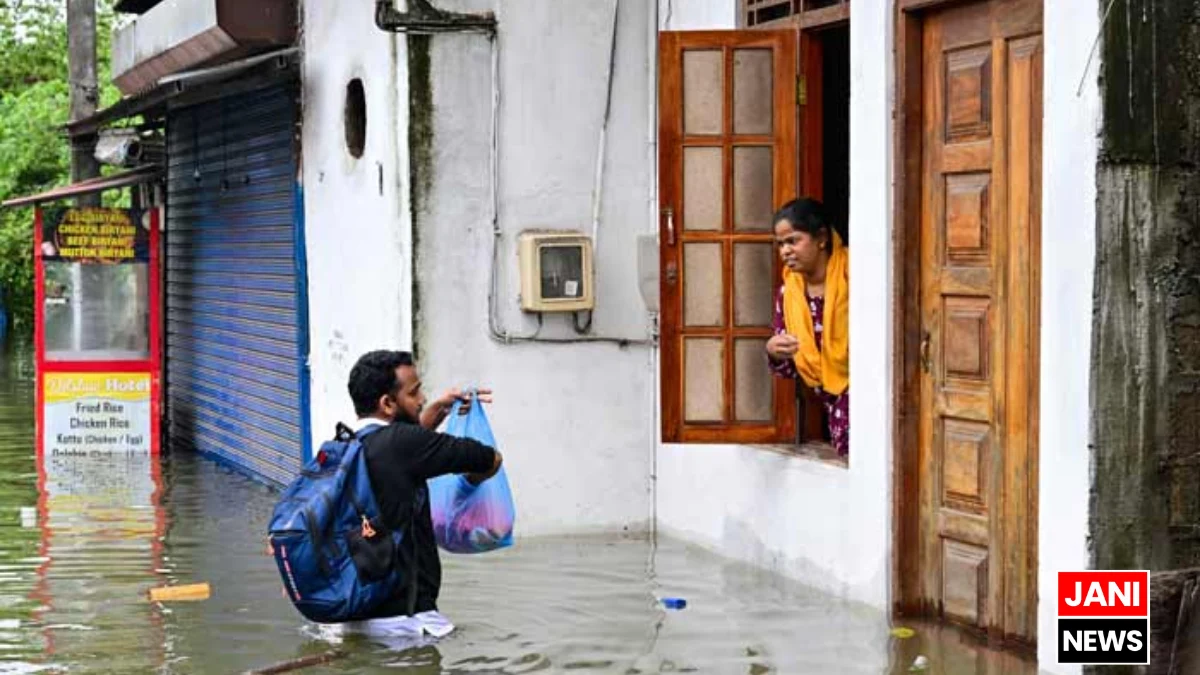
What hits hardest aren’t the numbers—they’re the faces behind them. Over 1.3 million Sri Lankans have felt the cyclone’s wrath, with more than 78,000 now huddled in emergency shelters after 15,000 homes were wiped out. In the capital’s low-lying Colombo suburbs, like Wennawatte, families like 46-year-old Selvi’s grabbed what they could—four bags of clothes and cherished heirlooms—before fleeing waist-deep floods that turned streets into rivers.
Further northeast in Manampitiya, a town notorious for its flood-prone ways, the waters have finally started to pull back, revealing a scene of utter devastation. Local shopkeeper S. Sivanandan, 72, stared in disbelief at a car flipped like a discarded toy right outside his storefront. “I’ve never seen water like this,” he told reporters, his voice cracking. “It came so fast, so deep—it swallowed everything.”
And in the central highlands of Wellawaya, the terror wasn’t just from rising waters but from the mountains themselves. One woman recounted the heart-stopping roar of boulders crashing down, tumbling alongside uprooted trees, halting just yards from her doorstep. “We couldn’t stay,” she said, now bunkered in a safer evacuation center. “Who knows what else might come next?”
Even medical facilities weren’t spared. In Chilaw, up north, floodwaters submerged a hospital, trapping vulnerable patients until air force rescuers swooped in to airlift two infants and a 10-year-old to safety. Tragically, the crisis claimed another victim when a supply helicopter plunged into a river, injuring its five crew members—yet another blow to an already stretched response.
These aren’t isolated tales; they’re threads in a tapestry of grief woven across the island. The National Blood Transfusion Service is pleading for donations, as stocks dwindle despite mercifully low injury counts so far.
A Nation Mobilizes: Government and Global Aid Step Up
President Anura Kumara Dissanayake didn’t mince words in his address to the nation. “We’re staring down the largest and most daunting natural calamity in our history,” he declared, his tone a mix of resolve and raw honesty. Declaring a state of emergency was the first decisive move, unlocking resources for a full-throttle relief push. He promised more: “We’ll rise from this stronger, rebuilding with the world’s help into a nation better than before.”
The military’s been a lifeline from the start, pulling 69 bus passengers—including a wide-eyed German tourist—from rising waters in a daring overnight operation. Across the Palk Strait, India wasted no time, deploying a chopper to hoist 24 souls from the remote Kotmale area, among them a pregnant woman and a man in a wheelchair who thought he’d never make it out.
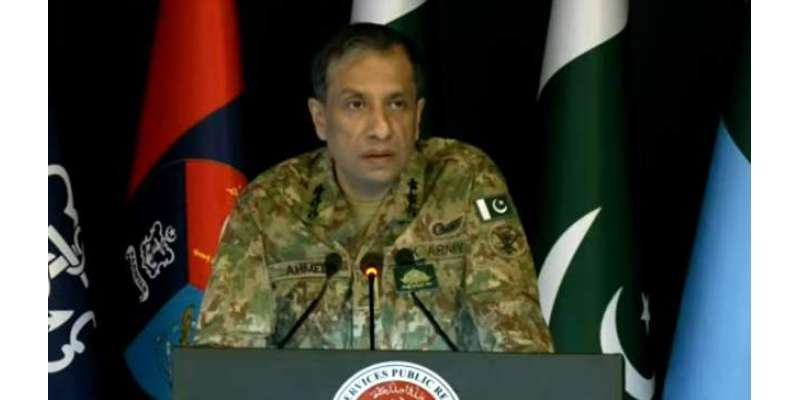
International solidarity is pouring in too. Pakistan’s dispatching rescue squads to dig through the muck, while Japan pledges assessment teams and aid packages to pinpoint the hardest-hit spots. With rains easing by Sunday, the focus shifts to clearing blocked roads—think fallen trees and mud-choked paths in the central regions, where damage assessments are just getting underway.
It’s heartening to see this unity, isn’t it? In disasters like these, borders blur, and neighbors become family.
Looking Ahead: Clearing the Waters and Rebuilding Hope
The good news? Forecasts call for dry skies holding steady, giving crews a fighting chance to drain Colombo’s sodden streets—though it’ll take at least another day for levels to drop meaningfully. Up in the central hills, the real reckoning looms as access improves and the full scope of destruction comes into view.
Sri Lanka’s weathered tempests before—the 2003 floods that snuffed out 254 lives come to mind—but Cyclone Ditwah feels different, more relentless. Experts peg this as the heaviest deluge since the millennium turned, fueled by a cyclone now barreling toward India’s shores.
Yet amid the chaos, glimmers of progress shine. Relief convoys are gearing up for a massive rollout, targeting those cut-off villages first. If history’s any guide—from the tsunami’s long recovery to smaller floods that followed—Sri Lankans know how to bounce back, community by community.
What can we learn from this? Disasters don’t discriminate, but preparation and swift action do save lives. As the island catches its breath, the world watches—and helps.
If stories like this move you, why not stay connected? Follow us on Facebook for real-time updates on global crises and resilience tales, or join our WhatsApp community to chat with fellow concerned folks. Together, we amplify the voices that need it most.