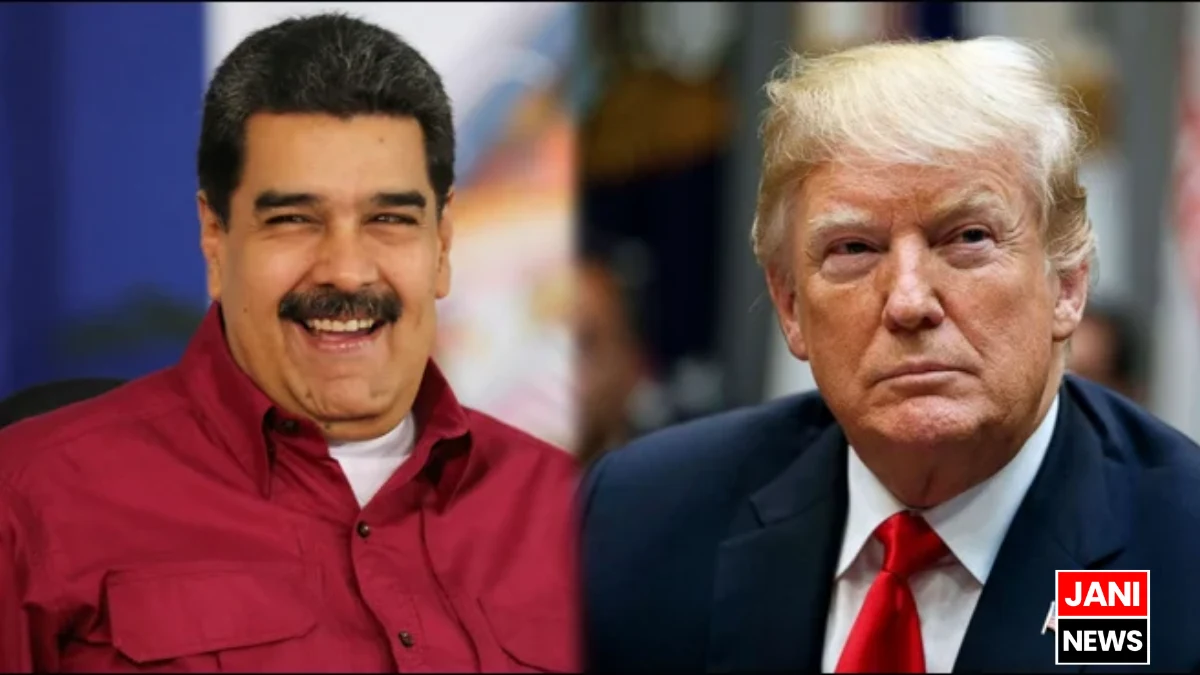
Picture this: a high-stakes diplomatic whisper, the kind that could rewrite the fate of a nation. That’s the scene a prominent U.S. senator painted recently, claiming Washington quietly gave Venezuela’s controversial leader, Nicolás Maduro, an off-ramp to step down and slip away. It’s the sort of backchannel move that rarely sees daylight—until now. As tensions simmer in the wake of Venezuela’s disputed July election, this revelation adds a fresh layer to the ongoing drama. Let’s dive into what went down, why it matters, and what it says about America’s playbook in Latin America.
The Backstory: Venezuela’s Stolen Thunder
Venezuela’s presidential vote back in late July wasn’t just another ballot box shuffle. It was a powder keg. Opposition firebrand Edmundo González, the guy many polls pegged as the clear frontrunner, claimed a landslide win based on tally sheets from over 80% of polling stations. But Maduro? He dug in his heels, declared victory anyway, and sparked riots that left dozens dead and thousands behind bars.
Fast-forward to today, and the international community is still fuming. The U.S., Canada, and much of the European Union slapped fresh sanctions on Maduro’s inner circle, calling the whole thing a sham. (For context, the Carter Center, that gold-standard election watchdog, slammed the process as lacking “minimum standards” for fairness.) It’s no wonder—Maduro’s grip on power has squeezed Venezuela’s economy into hyperinflation hell, with over 7 million folks fleeing since 2015, according to UNHCR stats.
But here’s where it gets intriguing: amid the chaos, did the U.S. extend an olive branch? Or was it more like a velvet-gloved warning?
Senator’s Bombshell: A Secret Lifeline for Maduro
Enter Senator Marco Rubio, the Florida hawk who’s long been a thorn in Maduro’s side. In a recent interview that’s rippling through Capitol Hill corridors, Rubio dropped this nugget: the Biden administration, through quiet envoy channels, essentially told Maduro he could pack his bags and jet off to a cushy exile—think Havana or Moscow, where his allies might roll out the red carpet—without facing the full weight of U.S. wrath.
“It’s not about regime change through force,” Rubio clarified in the chat, emphasizing that this wasn’t some CIA plot out of a spy thriller. No, it was a pragmatic nudge: leave voluntarily, and maybe dodge the international dragnet waiting to haul you in for human rights abuses or corruption probes. Rubio framed it as a “chance to avoid escalation,” but let’s be real—it’s also a signal that patience is wearing thin.
Why spill the beans now? Timing’s everything. With Trump’s shadow looming over the 2024 election aftermath—wait, scratch that, as we hit December 2025, the political winds have shifted again. Rubio’s disclosure feels like a preemptive strike, underscoring how U.S. diplomacy dances on a knife’s edge between carrots and sticks.
Why This Quiet Offer Could Change Everything
You might wonder: if the U.S. is so gung-ho on accountability, why float an easy out? It’s a fair question, and it cuts to the heart of realpolitik. For one, a peaceful handover beats the alternative—a full-blown crisis that could flood borders with even more refugees or spike oil prices (Venezuela’s got the world’s largest proven reserves, after all).
- Diplomatic Wins: Offering exile de-escalates without admitting defeat. It’s like telling a cornered chess player, “Resign now, and we’ll let you keep your king.”
- Regional Ripple Effects: Allies like Brazil’s Lula and Colombia’s Petro have pushed for talks over confrontation. This fits that vibe, potentially easing migration strains on neighbors.
- Legal Leverage: Maduro’s already dodging an ICC warrant for crimes against humanity. A voluntary exit might sidestep extradition headaches—for now.
Of course, skeptics aren’t buying it. Critics on the left argue it’s too soft, rewarding a dictator who’s allegedly siphoned billions while his people starve. On the right, Rubio’s own camp whispers it’s all talk, no teeth. And Maduro? He’s thumbed his nose, vowing to “deepen the revolution” in fiery speeches.
Broader Implications: A Wake-Up Call for U.S. Foreign Policy?
This isn’t just Venezuela’s headache—it’s a litmus test for how America projects power south of the border. Remember the Monroe Doctrine? Yeah, that’s ancient history. Today’s game is multilateral, laced with sanctions and soft power. If Maduro bites (or doesn’t), it could embolden other strongmen—from Nicaragua to Cuba—or finally crack the authoritarian facade.
Take a cue from history: back in 1979, the Shah of Iran got a similar U.S. nudge to bail before the revolution swallowed him whole. It didn’t end well for everyone involved. Will Maduro’s story rhyme or rebel?
As an old hand in covering these geopolitical chess matches, I can’t help but feel a twinge of cautious optimism. Venezuela’s people deserve better than endless limbo. But diplomacy’s a marathon, not a sprint—patience, pressure, and a dash of creativity might just tip the scales.
What do you think—smart strategy or spineless surrender? Drop your take in the comments below. And if you want more unfiltered insights on global shake-ups like this, hit that subscribe button or follow us on Facebook and WhatsApp for daily drops straight to your feed. Stay sharp out there.