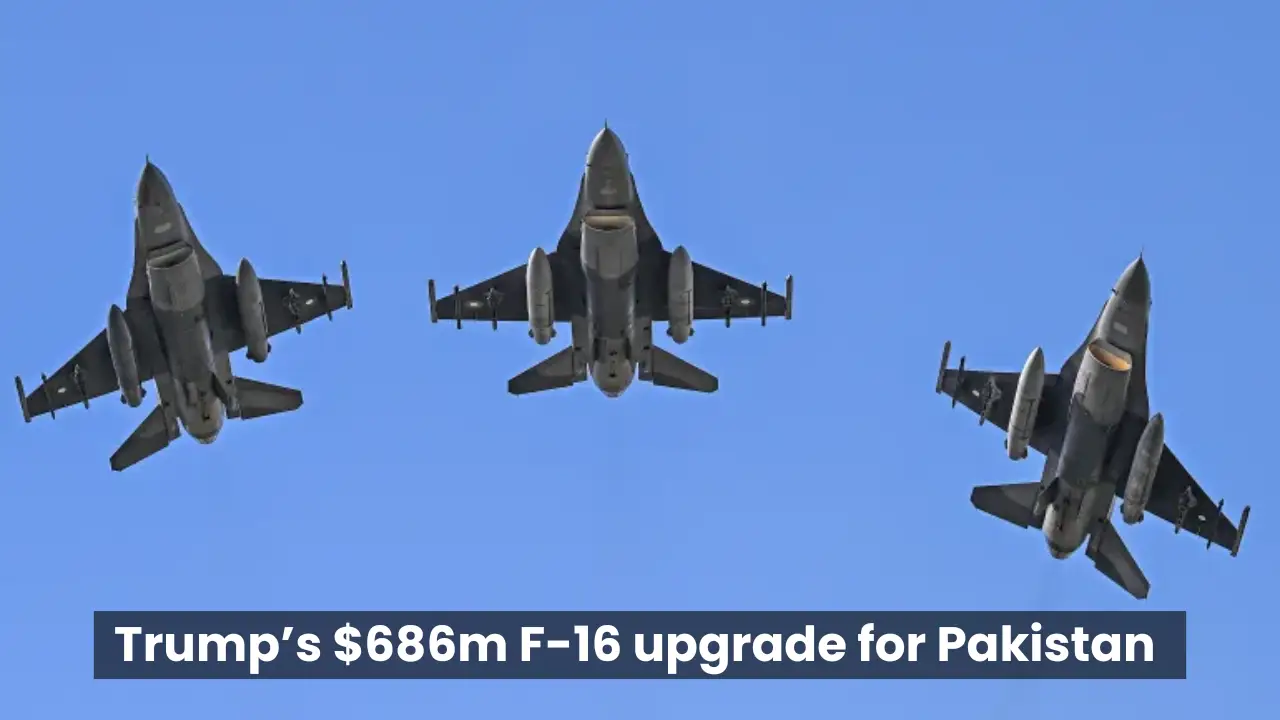
The United States just greenlit a hefty $686 million package to juice up Pakistan’s F-16 fighter jets, stirring the pot in South Asia’s already tense skies. This US F-16 upgrade for Pakistan isn’t just about hardware—it’s a calculated nod to counter terrorism ties, even as it pokes at India’s defences. Announced mid-December 2025, the deal underscores how Washington keeps its alliances humming amid shifting global winds.
Picture a squadron of aging warbirds getting a high-tech facelift, ready to soar longer and smarter. That’s the gist here, but let’s break it down without the jargon overload.
Inside the Upgrade: Tech That Packs a Punch
At its core, this approval from the Defense Security Cooperation Agency (DSCA) targets Pakistan’s Block-52 and mid-life upgrade F-16 fleet. We’re talking about 70 to 80 jets that have seen action, now set for a refresh that stretches their service life straight through 2040. Why now? Safety glitches and outdated systems have been nagging at the Pakistan Air Force, and this fix aims to iron those out while sharpening operational edges.
The breakdown shakes out like this:
- Major Defense Gear ($37 million): Ninety-two Link-16 data link systems for real-time intel sharing—think secure chats between jets, ground crews, and allies that shrug off jamming. Toss in six inert 500-pound Mk-82 bomb casings for testing integrations, no boom included.
- Support and Tweaks ($649 million): Avionics overhauls, friend-or-foe identifiers, crypto modules for encrypted comms, plus simulators, spares, and training. It’s the full spa day for these fighters.
Lockheed Martin, the Texas powerhouse behind the F-16 line, leads the charge as principal contractor. Crucially, the DSCA insists this won’t tip the regional scales—Pakistan’s got the chops to fold it in without a hitch, bolstering joint ops against terror threats.
No extra U.S. boots on the ground either; it’s all remote support. That keeps things tidy, focusing on interoperability so Pakistan’s pilots sync seamlessly with American forces in drills or dust-ups.
The Shadow of Recent Skirmishes
This timing? It’s no coincidence. Flash back to May 2025: A brutal five-day aerial clash erupted after a rebel strike in Indian-administered Kashmir, claimed by The Resistance Front but pinned on Lashkar-e-Taiba by New Delhi. Pakistan rolled out its F-16s alongside Chinese JF-17s and shiny new J-10s, dishing out real damage to India’s air assets before a U.S.-brokered ceasefire on May 10—credit scooped by President Trump himself.
Tensions haven’t cooled much since. Trump’s team has leaned hard on Prime Minister Narendra Modi to stock up on American arms, even slapping a 25% tariff hike on Indian imports in August over discounted Russian crude buys. Total levies now hit 50%, and India paused its own U.S. weapons shopping spree in response. Add a fresh Modi-Putin summit last week, and you see the chessboard: Delhi’s cozying up to Moscow while Washington woos Islamabad.
Pakistan, ever the balancer, pulls from both U.S. and Chinese arsenals—over 80% of its kit now hails from Beijing since 2020. Yet these F-16s? They’ve been a U.S. staple since the ’80s, born from Vietnam-era lessons and now flown in 29 nations, from Ukraine to Taiwan.
Why It Stings for India—and What Pakistan Gains
From New Delhi’s vantage, this US F-16 upgrade for Pakistan feels like salt in a fresh wound. India’s long griped about these jets, arguing they’re turned against its borders too often. Defense Minister Rajnath Singh’s office is mum so far, but eyes are glued—expect quiet lobbying in Congress during the 30-day review window.
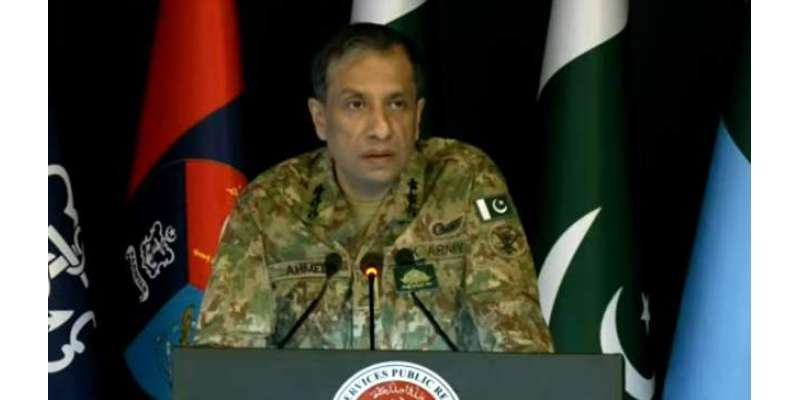
Over in Islamabad, it’s a quiet win. A diplomatic insider notes Pakistan still eyes the deal warmly, as it’ll keep those F-16s viable for decades. Air Vice Marshal Aurangzeb Ahmed and crew see it as a lifeline for fleet reliability, especially post-May’s high-stakes ballet in the clouds.
Experts weigh in with nuance. Praveen Donthi from the International Crisis Group points out the continuity: “The F-16 deal remains a key part of the broader US-Pakistan bilateral relationship… Both sides emphasise the fleet’s utility in joint counterterrorism operations.” He adds Washington smartly flagged no balance shift upfront, dodging early flak. And on Pakistan’s dual dance? “Islamabad continues to balance between Washington and Beijing, benefiting from both.”
It’s a reminder of realpolitik’s tightrope—upgrades like these aren’t zero-sum, but they sure sharpen the regional edge.
Broader Ripples: A Reset or a Risk?
Zoom out, and this fits Trump’s playbook: Leverage arms to glue allies close, nudge rivals toward the table. For the U.S., it’s about keeping Pakistan plugged into anti-terror nets without overcommitting. Stats back the stakes—F-16s have logged over 28 million flight hours globally, proving their mettle in scraps from the Balkans to the Middle East.
Yet risks linger. If India doubles down on Russian or homegrown gear (think Tejas fighters), the subcontinent’s arms race could accelerate. Pakistan’s less F-16 reliant these days, thanks to Chinese infusions, but this infusion cements U.S. influence.
In the end, it’s less a thunderbolt than a steady hum—Washington signaling reliability to one partner while prodding another. South Asia’s skies stay crowded, and everyone’s watching the next move.
Keen to stay ahead on these global twists? Follow us on Facebook and WhatsApp for daily insights straight to your feed—no spam, just the good stuff.