Imagine turning a dusty stretch of Balochistan desert into a powerhouse of copper and gold— that’s the promise of the Reko Diq mining project, Pakistan’s boldest bet on natural resources. After months of intense negotiations, global lenders have finally greenlit a massive $3.5 billion debt package to fuel this game-changer. It’s not just funding; it’s a lifeline that could reshape the country’s economy, bringing jobs, revenue, and stability to one of its most resource-rich regions. And with production eyed for 2028, the timing couldn’t be better.
This deal isn’t some pie-in-the-sky dream. It’s grounded in real commitments from heavy-hitters like the US EXIM Bank and the International Finance Corporation, blending multilateral muscle with smart export financing. As someone who’s followed mining ventures across continents, I can tell you: projects like Reko Diq don’t just dig up minerals—they unearth opportunities for entire communities. Let’s break down how this $3.5 billion Reko Diq debt package came together and what it means moving forward.
What Makes Reko Diq a Mining Marvel?
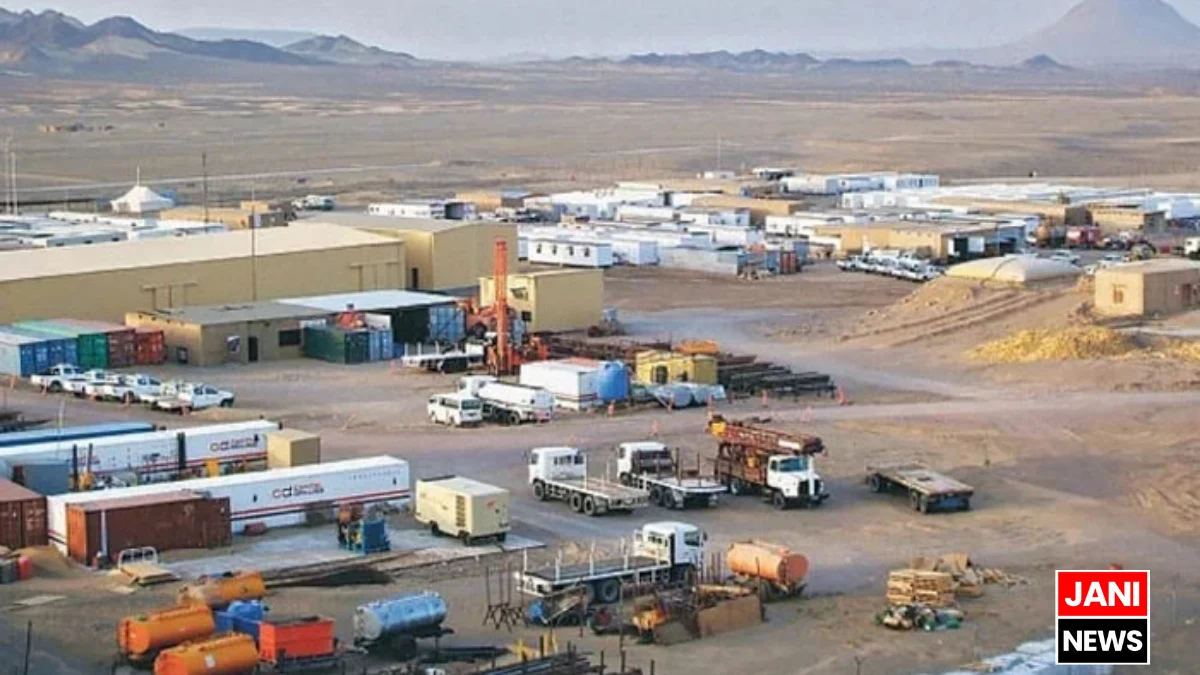
Nestled in the rugged hills of Balochistan, Reko Diq isn’t your average dig site. This copper-gold bonanza—once tangled in legal knots—has evolved into a $7.7 billion juggernaut, with lenders bumping up the initial $6.9 billion capex estimate to account for every bump in the road, from supply chain hiccups to geopolitical jitters. Why the extra padding? Simple: mining’s a high-stakes game, and nobody wants surprises derailing a multi-year haul.
At its core, Reko Diq promises to crank out enough copper and gold to rival global giants. Think about it—Pakistan sits on some of the world’s untapped reserves, yet we’ve barely scratched the surface. The Reko Diq mining project flips that script, with heavy machinery already rumbling on-site since 2023. Local crews and international experts are hustling to prep the ground, turning exploration scars into full-fledged operations. By 2028, we’ll see the first exports rolling out, potentially injecting billions into the national coffers.
But here’s the kicker: it’s not all about the haul. This venture’s designed with locals in mind. Balochistan’s government snags a 25% stake—10% free ride, 15% fully funded—meaning revenue flows without upfront wallet drain. That’s smart equity, ensuring the wealth stays close to home while spreading risks across partners.
The Heavy Lifters Behind the $3.5 Billion Debt Package
Securing this kind of cash isn’t like applying for a home loan—it’s a global tango of banks, agencies, and governments. Half of the $3.5 billion Reko Diq debt package is already in the bag, part of a broader $5.5 billion pledge from a dream team of lenders. They zeroed in on the best terms, mixing low-interest multilateral loans with export-tied deals that keep everyone invested.
Take the US EXIM Bank, for starters. They’ve approved a hefty $1.25 billion slice, the linchpin that tipped the scales. Teaming up with Canada’s Export Development Canada (EDC), they’re co-funding up to $1.4 billion— but there’s a twist. In return, they’ll supply the mine’s critical gear, from drills to haul trucks. It’s a win-win: financing flows, and North American firms get a foot in the door.
Then you’ve got the International Finance Corporation (IFC) stepping up with $700 million, the World Bank’s private-sector arm bringing that stamp of credibility. The Asian Development Bank (ADB) chips in $300 million, focusing on sustainable development—because let’s face it, mining done right means green practices from day one.
Japan’s not sitting this out either. The Japan Bank for International Cooperation (JBIC) is ponying up nearly $300 million in import financing, while three European powerhouses—Germany’s Euler Hermes and KfW, plus Sweden’s EKN—bundle together $900 million. That’s 30% of the pot, locked to off-take deals for the copper, gold, and minerals we’ll pull out. Interest rates? Still hashing those out, but expect a mix tailored to each player’s playbook.
Disputes? They’ll head to London’s Court of International Arbitration under English law—neutral ground for big-money bets. And the structure? A tidy 50:50 debt-to-equity split, balancing the load so no one’s left holding the bag.
“We went straight to the players most eager to join, chasing the sharpest rates from EXIMs and export agencies,” one insider shared during the talks. That approach paid off, dodging the pitfalls that sink lesser deals.
Paving the Way: Rail Upgrades and Logistics Boost
You can’t export treasure without a solid road—or in this case, rail—out. That’s why Reko Diq Mining Company (RDMC), the special vehicle steering this ship, is coughing up $390 million in bridge financing. The target? Revamping Pakistan Railways’ Main Line-2 and Main Line-3 before production kicks off in 2028.
Picture this: gleaming trains hauling processed copper and gold straight to Port Qasim, slashing delays and costs. These upgrades aren’t fluff—they’re the backbone for getting goods to market fast. Without them, even the richest vein stays buried in bureaucracy. RDMC’s pledge shows real skin in the game, turning potential headaches into streamlined success.
Ownership Breakdown: Who’s Calling the Shots?
RDMC isn’t a solo act. Barrick Gold Corporation, the Canadian mining titan, holds 50% and runs the show as lead operator—their expertise turns raw potential into polished output. Pakistan’s federal government owns another 25% through state firms like OGDCL, PPL, and GHPL, while Balochistan claims the final 25%.
This setup’s gold—pun intended. It disperses risks between global pros and local stakeholders, with Balochistan reaping royalties tax-free on their free-carried slice. No wonder officials are buzzing; it’s a model that could inspire other resource plays across the region.
Roadblocks Cleared: On Track for Financial Close
Timing’s everything in mining, and Reko Diq’s had its share of detours. An October 2025 close slipped thanks to a US government shutdown freezing EXIM’s board. But with that mess sorted, the finish line’s in sight—mid-December 2025, just after RDMC’s board huddle on the 9th.
Expect the gavel to drop then, unleashing construction’s full throttle. It’s a testament to persistence: from Tethyan Copper’s early probes to today’s lender lineup, this project’s weathered storms to emerge stronger.
Why This Matters for Pakistan’s Economy
Let’s zoom out. The Reko Diq mining project isn’t just about shiny metals—it’s an economic spark. With global copper demand soaring (thanks to the green energy boom—electric vehicles alone guzzle 3.5 million tons yearly, per the International Copper Study Group), Pakistan’s poised to cash in. Jobs for thousands, tech transfers, and billions in exports could ease balance-of-payments woes and fund schools, hospitals, you name it.
Yet, it’s not without whispers of caution. Sustainable mining means water management, community buy-in, and eco-checks—areas where IFC and ADB’s involvement shines. Done right, Reko Diq becomes a blueprint, not a bust.
As we watch this unfold, one thing’s clear: Pakistan’s mining sector is waking up. What’s your take—will Reko Diq deliver the riches it promises? Drop your thoughts below.
Ready for more updates on Pakistan’s big moves? Follow us on Facebook and WhatsApp to stay in the loop— we’ve got the stories that matter, straight to you.