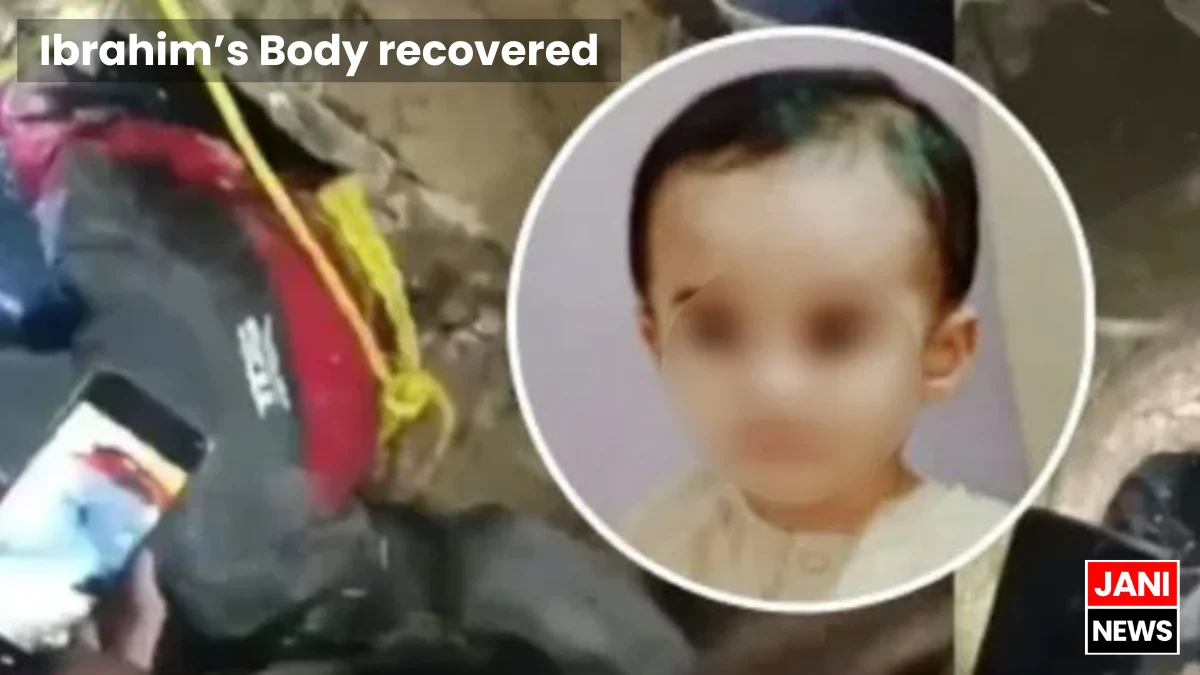
In the bustling heart of Karachi, where the city’s relentless pace often masks its hidden dangers, a young life slipped away in the most tragic of ways. On a seemingly ordinary afternoon, 12-year-old Ibrahim tumbled into an open manhole near the Nipa underpass—a spot that’s seen too many close calls over the years. It wasn’t until the next morning that rescuers pulled his body from the depths, a grim reminder of the urban hazards that lurk beneath our feet. This isn’t just another statistic in Pakistan’s ongoing struggle with poor infrastructure; it’s a story that demands we pay attention, and act.
A Routine Day Turns Deadly
Picture this: It’s around 2 PM on a warm November day, and Ibrahim, a bright-eyed kid from a nearby neighborhood, is out playing with friends. The Nipa area, notorious for its choked drainage system during monsoons, had been battered by recent rains. An uncovered manhole—likely dislodged by the downpour—yawned open like a trapdoor in the sidewalk. One wrong step, and Ibrahim vanished into the murky abyss below.
Eyewitnesses later recounted the chaos that followed. “We heard screams, then nothing,” one local shopkeeper told reporters, his voice cracking with regret. The boy’s friends raised the alarm immediately, but the narrow, debris-clogged pipe turned the site into a nightmare for first responders. Firefighters and police cordoned off the area, but the initial dives yielded only echoes and frustration. For hours, the community held its breath, clinging to faint hopes amid the growing dread.
What makes this hit so hard? Karachi’s sewer network, built decades ago, strains under the weight of a population explosion. According to a 2023 report from the Pakistan Engineering Council, over 40% of the city’s manholes lack proper covers, turning routine walks into potential disasters. It’s a ticking time bomb, especially for kids who see the streets as their playground.
The Grueling Rescue That Came Too Late
As dusk fell, the operation kicked into high gear. Divers from the Sindh Building Control Authority, equipped with ropes and high-powered lights, battled against the odds. The manhole led to a 10-foot-deep sewer line, twisted with silt and stagnant water that made every inch a fight. Pumps roared to life, sucking out gallons of foul sludge, while locals gathered, murmuring prayers and sharing stories of similar scares.
By midnight, the efforts had dragged on for nearly 10 hours. Officials brought in sniffer dogs and even thermal imaging gear borrowed from a nearby station, but the signal was weak—overwhelmed by the underground maze. “We’re doing everything humanly possible,” a weary fire department spokesperson said in a late-night update, his face etched with exhaustion. Yet, doubt crept in as the clock ticked past 4 AM.
It was just before 5 AM—15 hours after Ibrahim’s fall—that the unthinkable became real. A diver’s hook snagged something soft. Moments later, the boy’s lifeless body emerged, wrapped in a makeshift shroud. The silence that followed was deafening. Paramedics confirmed he had drowned, likely within minutes of the plunge, his small frame no match for the unforgiving current below.
This delay isn’t unique. Last year alone, Karachi reported over 20 manhole-related incidents, with at least five fatalities, per data from the city’s emergency services. Each one chips away at our collective trust in the systems meant to protect us. Why does it take so long? Underfunded teams, outdated equipment, and a labyrinth of pipes that predate modern tech all play their part. But pointing fingers won’t bring Ibrahim back—it just underscores the urgency for change.
Echoes of Grief and Calls for Accountability
As dawn broke over Nipa, Ibrahim’s family arrived at the scene, their world shattered. His mother, clutching a faded photo of her son beaming on his last birthday, collapsed into sobs. “He was my everything—curious, always laughing,” she whispered to a cluster of journalists. The father, a quiet laborer who’d worked double shifts to keep the family afloat, could only nod, eyes hollow. In a city of 16 million, stories like this feel all too personal, ripping through the fabric of everyday resilience.
Neighbors rallied, too, lighting candles and vowing to watch the streets more closely. One elder summed it up bluntly: “These holes aren’t accidents; they’re neglect.” And he’s right. The Karachi Municipal Corporation has promised audits and new covers in high-risk zones, but follow-through has been spotty at best. Environmental groups like the Urban Resource Centre point out that climate change is worsening the problem—fiercer rains overwhelming aging drains—yet budgets for upgrades hover at a pitiful fraction of what’s needed.
For parents across Pakistan, this tragedy stings with familiarity. Remember the 2022 Lahore flood that claimed dozens in similar fashion? Or the ongoing battles in Lahore and Islamabad against open sewers? It’s a pattern we can’t ignore. Simple fixes—like community-led mapping of hazards or mandatory inspections—could save lives. Imagine if every manhole had a smart sensor, alerting authorities to breaches in real-time. Tech like that exists; it’s just a matter of will.
Moving Forward: A Plea from the Streets
Ibrahim’s story isn’t one for headlines alone—it’s a wake-up call echoing through Karachi’s alleys. We owe it to him, and to every child dodging shadows on cracked pavements, to demand better. Reach out to your local reps, join neighborhood watches, or even volunteer for clean-up drives. Small steps build the pressure for big reforms.
In the end, no policy paper revives a lost laugh, but collective action might prevent the next heartbreak. Let’s honor Ibrahim by making his city safer, one covered grate at a time.
If this story moved you, or if you’re passionate about urban safety issues, why not stay connected? Follow us on Facebook for daily updates on community stories like this, and join our WhatsApp channel for real-time alerts and discussions—because together, we can push for the change Karachi deserves.