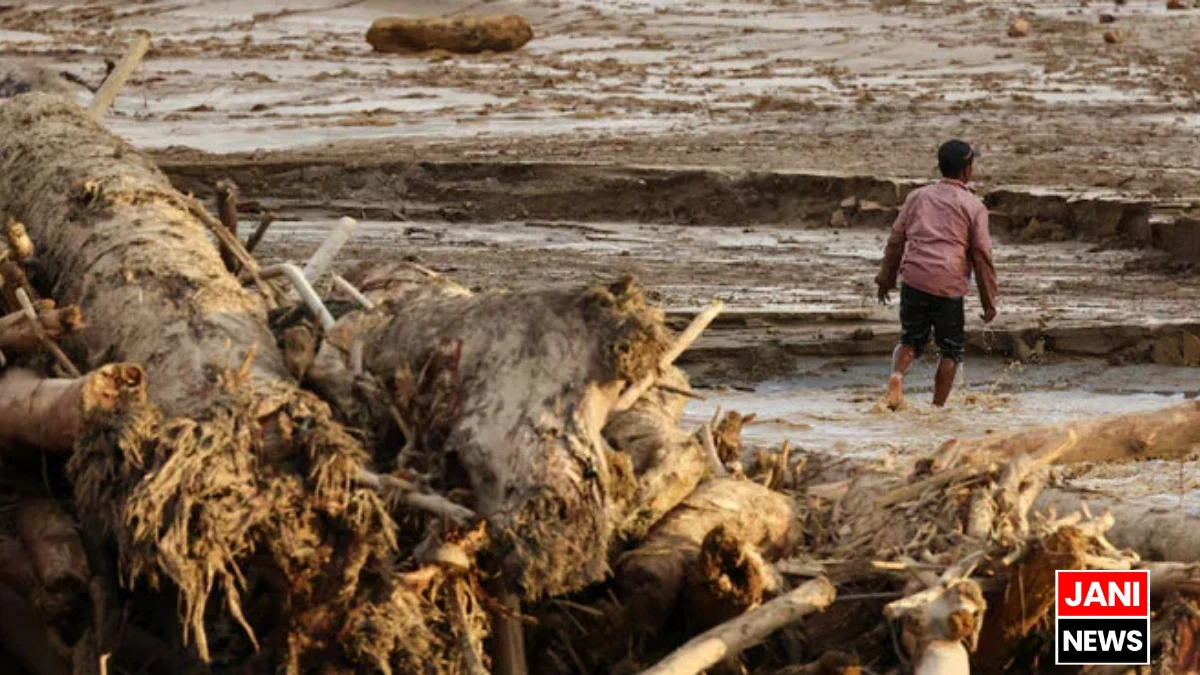
Imagine waking up to find your home swallowed by floodwaters, your community shattered, and the world you knew forever changed. That’s the grim reality for millions across Southeast Asia right now, as a ferocious tropical storm tears through the region. As of December 1, 2025, the death toll from this monster weather event has climbed past 600, with over 4 million people reeling from its fury. It’s a stark reminder of how vulnerable we are to nature’s whims—and why preparedness matters more than ever.
These storms don’t just hit hard; they hit where it hurts most. Low-lying coastal areas, packed with families and farms, bear the brunt. Think about it: one minute you’re planning dinner, the next you’re clinging to a rooftop. Officials are scrambling, but the scale is overwhelming.
The Human Toll: A Heartbreaking Numbers Game
When a storm like this strikes, the stats tell only part of the story—but they’re staggering nonetheless. Here’s a quick breakdown of the immediate impact:
- Fatalities: More than 600 confirmed deaths, with reports suggesting the number could rise as rescue teams dig deeper into remote areas.
- People Affected: Over 4 million souls displaced or directly harmed, from Manila’s bustling streets to Vietnam’s rice paddies.
- Evacuations: Hundreds of thousands forced from their homes, crammed into makeshift shelters that strain every resource.
It’s not just numbers on a page; these are parents, kids, and elders fighting to survive. In the Philippines alone, entire villages have vanished under mudslides, leaving behind stories of unimaginable loss. And let’s be real—kids are hit hardest, with schools closed and futures up in the air.
Epicenter of Destruction: Countries on the Front Lines
This storm didn’t discriminate; it slammed into several nations with brutal efficiency. The Philippines took the first punch, as is often the case in typhoon season—remember Haiyan back in 2013? That one claimed over 6,000 lives, and experts worry this could echo that tragedy if aid doesn’t ramp up fast.
Vietnam followed suit, with northern provinces underwater and croplands ruined. Farmers there are staring at ruined harvests, which could spike food prices region-wide. Then there’s Thailand and Laos, where swollen rivers have turned roads into rivers and bridges into memories.
Why these spots? It’s geography’s cruel joke—warm seas fueling monster winds, plus deforestation that’s made the land less forgiving. According to the World Meteorological Organization, climate change is cranking up the intensity of these beasts by about 10% per decade. Scary stuff, right?
Spotlight on the Philippines: Ground Zero
If there’s a face to this disaster, it’s the Philippines. Storm surges battered coastal towns, washing away homes built on sand and hope. Rescue crews pulled survivors from treetops, but for every win, there’s a gut-wrenching search still underway.
Local hero? The Philippine Red Cross, who’ve been boots-on-the-ground since day one, distributing water and meds amid the chaos. One volunteer I read about in recent dispatches said it best: “We’re not just saving lives; we’re piecing back dreams.”
Governments and Global Aid: Racing Against the Clock
No one faces this alone, thank goodness. Governments are mobilizing like never before—think emergency funds unlocked overnight and military choppers airlifting supplies. In Vietnam, the prime minister’s office declared a national alert, funneling billions in relief.
But here’s where international teamwork shines: The UN’s kicking in with satellite maps to spot the hardest-hit zones, while NGOs like Oxfam truck in everything from tents to trauma counseling. It’s a patchwork effort, sure, but it’s saving lives.
Still, challenges abound. Logjams at ports delay shipments, and corruption whispers (as they always do in crises) threaten to siphon off aid. Transparency International notes that disasters like this can lose up to 30% of relief to graft if unchecked— a wake-up call for watchdogs everywhere.
Rebuilding from the Rubble: What Lies Ahead
Recovery? It’s a marathon, not a sprint. Short-term, it’s about clean water and cash handouts to keep folks afloat. Longer haul, experts push for “build back better”—elevated homes, mangrove barriers against surges, and early-warning apps that buzz your phone before the sky falls.
Take Japan as a blueprint; their storm-proofing after Typhoon Hagibis in 2019 cut future risks by 40%, per government data. Southeast Asia could learn a thing or two, blending tech with community smarts.
And climate action? Overdue. The IPCC’s latest report hammers home that without slashing emissions, we’ll see more of these tempests—stronger, wetter, deadlier. It’s not doom-scrolling; it’s a nudge to vote with our wallets and feet.
This storm’s a brutal chapter, but it’s also a catalyst. Communities will rise, tougher and tighter-knit. If you’re moved by these stories—and I hope you are—stick around for more on resilience and real change.
Ready to stay in the loop on global stories that matter? Subscribe to our newsletter for weekly deep dives, or follow us on Facebook and WhatsApp for real-time updates straight to your feed. Together, we can amplify the voices that need it most. What’s one way you’re supporting disaster relief today? Drop a thought below.