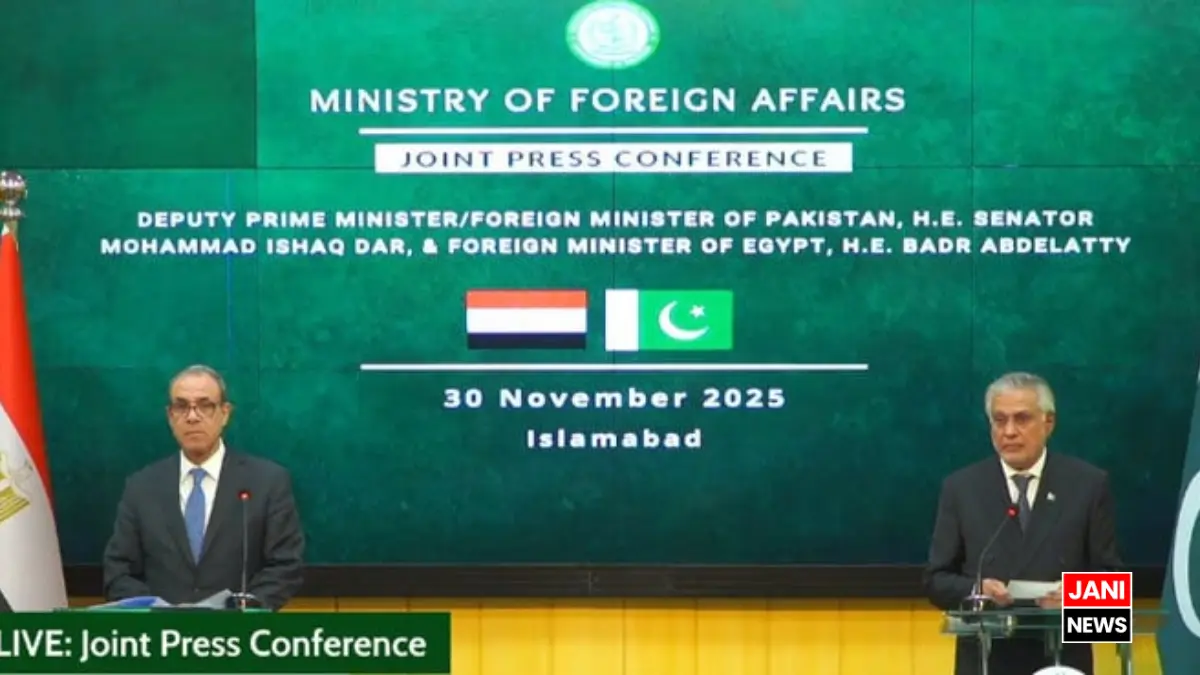
Imagine a place that’s endured unimaginable hardship—homes in rubble, families scattered, and a future hanging by a thread. That’s Gaza today, after months of relentless conflict that’s left scars deeper than any of us can fully grasp. But amid the devastation, glimmers of hope are emerging through international partnerships. Egypt, a steadfast neighbour in the region, is reaching out to Pakistan with a clear message: we need your know-how and your helping hands to rebuild what was lost.
In a recent high-level huddle, Egyptian officials made no bones about it—they’re counting on Pakistan to step up with its technical smarts and on-the-ground resources. It’s the kind of collaboration that could turn the tide, blending Egypt’s proximity to the crisis with Pakistan’s proven track record in disaster recovery and humanitarian aid. Why Pakistan? Well, think about it: the country has a long history of punching above its weight in global relief efforts, from earthquake responses at home to aid missions abroad. This isn’t just diplomacy; it’s a practical plea for unity in one of the Middle East’s most pressing challenges.
A Timely Meeting Amid Regional Tensions
The conversation unfolded during a bilateral meeting on the sidelines of a larger summit—details are still trickling in, but the urgency is palpable. Egypt’s Foreign Minister, speaking candidly, highlighted how Gaza’s reconstruction demands a “robust, multifaceted approach.” He didn’t mince words, emphasizing that nations like Pakistan, with their engineering prowess and logistical expertise, hold the keys to unlocking progress.
Picture this: Gaza’s infrastructure is in tatters. According to a recent UN report, over 60% of buildings—schools, hospitals, water systems—have been damaged or destroyed. Rebuilding isn’t about slapping on quick fixes; it’s about creating resilient communities that can withstand future shocks. Egypt, already hosting displaced families and coordinating aid flows, knows it can’t shoulder this alone. That’s where Pakistan comes in, potentially offering everything from construction teams to specialized training programs.
What makes this outreach so compelling? It’s rooted in shared values. Both countries have navigated their own trials—Pakistan with its floods and quakes, Egypt with its revolutions and refugee crises. There’s a mutual respect there, a “we’ve been in your shoes” vibe that fosters real trust.
Why Pakistan’s Role Could Be a Game-Changer
Let’s break it down. Pakistan isn’t a stranger to large-scale rebuilds. Remember the 2005 earthquake that leveled parts of Kashmir? Within years, with international backing, they rebuilt entire villages using innovative, low-cost techniques. Fast-forward to today, and that same ingenuity could light the way for Gaza.
Egypt’s hope isn’t vague—it’s specific. They’re eyeing:
- Technical expertise: Pakistani engineers could lead on sustainable housing projects, incorporating earthquake-resistant designs that double as flood barriers. (After all, Gaza’s coastal location means climate risks are real.)
- Resource mobilization: From medical supplies to heavy machinery, Pakistan’s aid networks have a reputation for speed and scale. In 2023 alone, they dispatched over $10 million in relief to earthquake-hit Turkey, per official stats from Islamabad’s foreign office.
- Humanitarian know-how: Training local teams in everything from water purification to psychological support—vital when 80% of Gaza’s population faces mental health strains, as noted by the World Health Organization.
These aren’t pie-in-the-sky ideas; they’re actionable steps drawn from real-world successes. And let’s be honest, in a world where geopolitical lines blur fast, this kind of South-South cooperation feels refreshingly straightforward.
Of course, challenges loom large. Funding shortfalls are a beast— the World Bank estimates Gaza’s rebuild could cost $18 billion over a decade. Security concerns add another layer, with ceasefires holding as delicately as a house of cards. Yet, voices from Cairo suggest optimism: “Pakistan’s commitment would signal to the world that reconstruction is possible, and it’s happening now.”
Broader Implications for Middle East Stability
Zoom out, and this partnership underscores a bigger truth: Gaza’s fate ripples far beyond its borders. A stable reconstruction could ease refugee pressures on Egypt and Jordan, curb extremism’s spread, and even pave the way for normalized ties in the region. For Pakistan, it’s a chance to amplify its voice on the global stage, aligning with its “peace through partnership” foreign policy.
I’ve covered these kinds of alliances for years, and what strikes me every time is the human element. Behind the summits and statements are engineers sketching blueprints late into the night, aid workers packing crates at dawn. If Egypt and Pakistan pull this off, it won’t just be bricks and mortar— it’ll be a testament to what’s possible when neighbors roll up their sleeves together.
As we watch this unfold, one thing’s clear: the road ahead is long, but it’s navigable with the right allies. What’s your take—can these collaborations finally tip the scales toward lasting peace?
If stories like this resonate with you, why not stay in the loop? Follow us on Facebook and WhatsApp for daily updates on global affairs that matter. Your support keeps the conversation going—join us today!