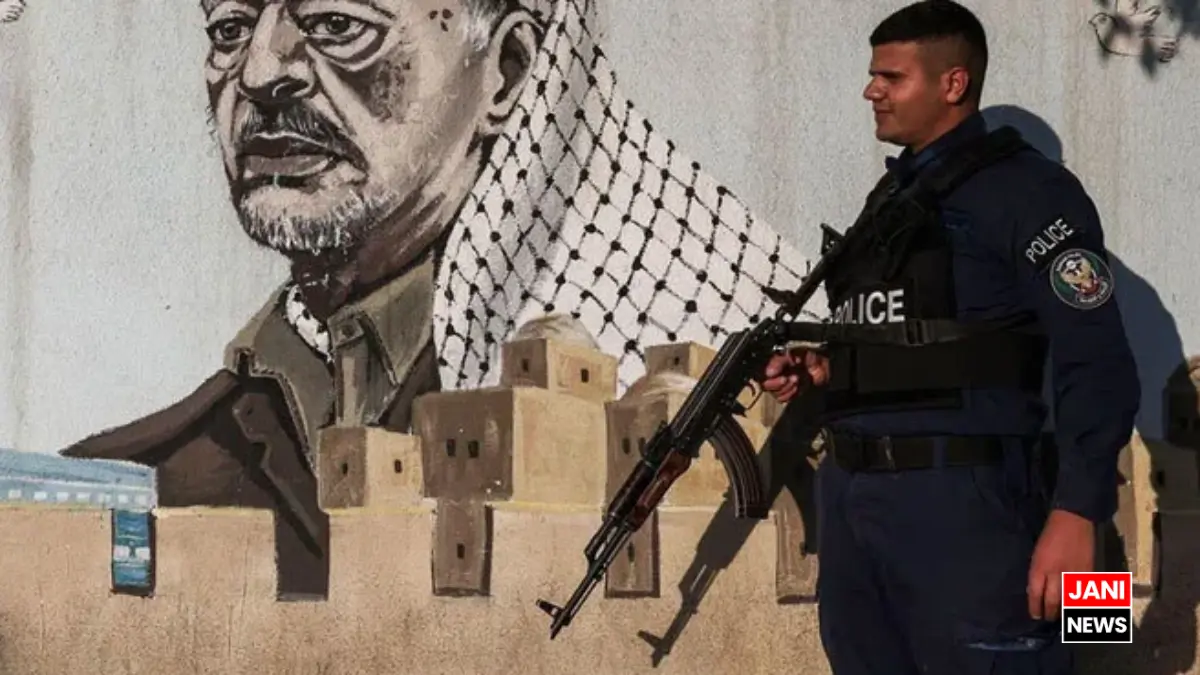
Imagine rebuilding a place that’s been through hell—shattered streets, families picking up the pieces, and a desperate need for order amid the chaos. That’s Gaza today, and Egypt’s rolling up its sleeves to help make it happen. In a quiet but powerful move, Cairo’s quietly training hundreds of young Palestinians to step into roles as future police officers. It’s not just about handing out uniforms; it’s a shot at stability in a region that’s craved it for far too long.
This initiative feels like a beacon of hope, especially as talks swirl around post-conflict plans for Gaza. With over 1.9 million people crammed into that tiny strip—many displaced and reeling from years of unrest—getting a functioning police force back on its feet could be the glue that holds things together. And Egypt, sharing that border and a deep history with Palestine, knows the stakes better than most.
Why Now? The Urgent Push for Gaza’s Security Rebuild
Let’s be real: Gaza’s law enforcement has taken a brutal hit. Since the latest flare-ups, the territory’s security setup is in tatters, leaving everyday folks vulnerable to everything from looting to unchecked militancy. Enter Egypt’s training program—a practical, no-nonsense effort to fill that void.
Word on the ground is that these sessions kicked off in earnest this fall, pulling in recruits from Palestinian communities on both sides of the border. Officials haven’t spilled exact numbers, but sources close to the matter whisper it’s in the high hundreds already, with more batches lined up. Picture this: young men and women, vetted for their grit and commitment, spending weeks drilling on crowd control, basic rights enforcement, and even de-escalation tactics that could prevent the next spark from igniting.
It’s smart timing, too. As international eyes turn toward reconstruction—think billions in aid floated by the UN and Gulf states—Egypt’s positioning itself as the steady hand. “We’re not just training cops; we’re building partners for peace,” one Egyptian security advisor told reporters off the record. And honestly, in a neighborhood where trust is rarer than rain, that matters.
Inside the Training: From Recruits to Ready Guardians
Ever wonder what it takes to turn a civilian into someone who can keep the peace under pressure? These Gaza-bound trainees are getting the full rundown at Egyptian facilities near the Sinai Peninsula—secure spots away from prying eyes but buzzing with purpose.
- Core Skills Bootcamp: Days start with physical drills—think obstacle courses that mimic urban chaos—followed by classroom sessions on Palestinian law and human rights. It’s hands-on, with role-plays that hit close to home, like handling protests without escalating tempers.
- Tech and Tactics: No stone unturned here. Recruits learn crowd-monitoring apps and non-lethal gear, drawing from Egypt’s own playbook in volatile spots. One standout element? Training on community outreach—because policing Gaza means knowing your neighbor’s pain points.
- Cultural Fit: These aren’t generic sessions. Instructors weave in Gaza-specific scenarios, from aid distribution hotspots to border tensions. It’s tailored, ensuring these folks return as locals who get it, not outsiders imposing rules.
By the end, graduates walk away with certifications that scream legitimacy. And get this: early feedback suggests retention rates are sky-high, with many eyeing long-term roles in a revamped force. According to a recent report from the International Crisis Group, similar programs in conflict zones have cut civilian clashes by up to 40% in the first year—stats that make you sit up and take notice.
Egypt’s Bigger Play: A Neighbor Betting on Brighter Days
Don’t kid yourself—this isn’t charity; it’s strategy wrapped in solidarity. Egypt’s got skin in the game, with its own stability tied to Gaza’s. Floods of refugees? Smuggling rings thriving? A weak police presence only amps that up. By investing in these trainees, Cairo’s quietly fortifying the fence while earning goodwill across the Arab world.
Critics might grumble about politics creeping in—who funds it? Who’s calling the shots post-training? Fair questions. But on the flip side, Palestinian leaders have nodded approval, calling it a “vital bridge” to self-reliance. Hamas and the Palestinian Authority may not see eye-to-eye on much, but a neutral-trained force could ease that rift, letting Gaza focus on schools and clinics instead of checkpoints.
Think about the ripple effects. A solid police unit means safer markets for vendors hawking falafel and fresh figs. It means kids playing soccer without dodging stray fire. Small wins, sure, but in Gaza, they’re everything.
Looking Ahead: Challenges and the Road to Real Change
Of course, it’s not all smooth sailing. Integrating these trainees back home? That’s a puzzle with moving pieces—factions to appease, gear to scrounge, and trust to rebuild one patrol at a time. Weathering pushback from hardliners or funding dips could test everyone’s resolve.
Yet, here’s the optimistic take: History’s full of underdogs turning the tide. Egypt’s program, modest as it seems, could spark that. With global summits on the horizon—maybe even a fresh push from the Quartet—now’s the moment to double down.
What do you think—could this be the quiet revolution Gaza needs? If stories like this hit home, keeping tabs on the Middle East’s ups and downs just got a bit easier. Follow us on Facebook and WhatsApp for more unfiltered insights straight to your feed—we’d love to have you along for the ride.