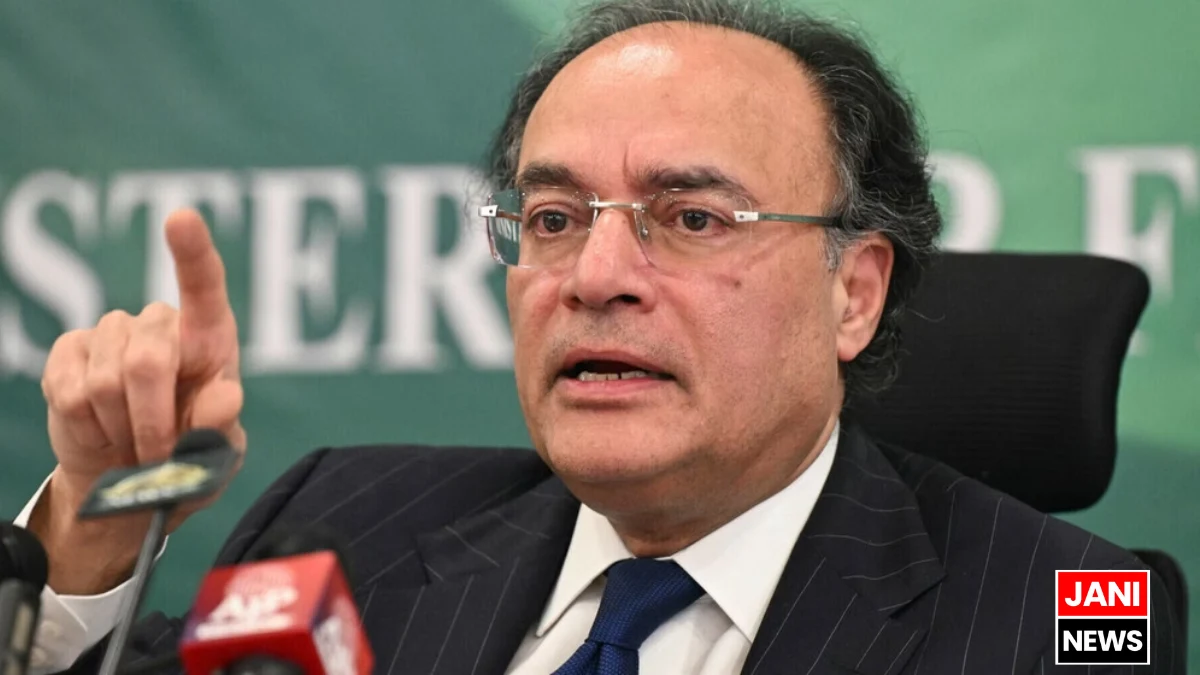
In a refreshing nod to unity amid fiscal tightropes, Pakistan’s Finance Minister, Senator Muhammad Aurangzeb, has thrown his weight behind a “Pakistan First” strategy as the nation gears up for the 11th National Finance Commission (NFC) Award discussions. Set to unfold in Islamabad this week, these talks promise a fresh chapter in how resources flow from the federal coffers to the provinces—think of it as recalibrating the family budget to ensure everyone’s pulling in the same direction. With chief ministers, finance ministers, and NFC reps all at the table, the vibe is collaborative, not combative. Aurangzeb’s pledge? Let’s form working groups, keep ears open, and let the dialogue breathe. It’s a smart pivot from past standoffs, echoing the goodwill of the National Financial Agreement inked with every province on board.
Why the 11th NFC Award Matters Now More Than Ever
Let’s rewind a bit. The NFC Award isn’t some dusty policy footnote—it’s the constitutional heartbeat dictating how Pakistan’s divisible pool of taxes gets sliced up between the center and the four provinces. Last revamped in 2010, it’s been a decade-plus without a tune-up, leaving imbalances that fuel everything from provincial gripes to federal budget squeezes. Enter the 11th round: Aurangzeb envisions it advancing “in the same spirit” as that recent financial pact, aiming for consensus right out of the gate. No arm-twisting—just honest chats to bridge gaps.
Picture this: Provinces like Punjab and Sindh, with their booming urban hubs, jostling alongside Balochistan and Khyber Pakhtunkhwa for fairer shares in education, health, and infrastructure bucks. Aurangzeb’s call for “open and constructive” exchanges? It’s music to economists’ ears, especially when you consider how past awards sparked heated debates that dragged on for years. If they nail this, it could supercharge equitable growth, much like how a well-oiled revenue-sharing model in India helped states like Gujarat thrive without starving others.
- Key Players Involved: Chief ministers from all provinces, alongside federal and provincial finance ministers and NFC council members.
- Timeline Tease: Inaugural session this week, with working groups diving into Terms of Reference (TORs) soon after.
- Big Hope: A breakthrough consensus that sticks, fostering that elusive “Pakistan First” ethos.
Broader Economic Pulse: From IMF Wins to Sectoral Surges
Aurangzeb didn’t stop at NFC chit-chat during his briefing—he laid out a panoramic view of Pakistan’s economic playbook, blending optimism with hard-nosed realism. Take the IMF front: With the Board’s green light, two fresh tranches are inbound—one tied to climate-resilience nods from the first review, the other bolstering the ongoing loan program. It’s a lifeline that screams stability, especially as the government’s laser-focused on the balance of payments and current account. Monthly deep dives into exports, remittances, and imports? That’s the drill to keep growth on an even keel.
Then there’s the Reko Diq saga—a $3.5 billion mining behemoth in Balochistan that’s just hit financial close. Aurangzeb calls it a straight-up “game-changer,” and he’s not exaggerating. This copper-gold project could pump billions into the economy, create jobs, and spotlight Pakistan’s untapped mineral riches. On the flip side, he’s scrapping the export development surcharge at the Prime Minister’s behest, pending cabinet nod. Private sector lobbied hard, and rightly so—why hobble exporters when they’re the engines revving up foreign exchange?
Industry folks are venting about sky-high taxes, energy tariffs, and interest rates, and Aurangzeb gets it: “These concerns are valid.” He’s eyeing a gradual policy rate trim to ease the pinch, but here’s the kicker—Pakistan’s tax-to-GDP ratio hovers at a measly 8-9%. That’s unsustainable, folks. Both federal and provincial heavyweights need to step up, slashing energy tariffs and lightening loads on salaried workers and formal businesses. Imagine ditching that vicious cycle where low taxes breed deficits, which jack up tariffs, which choke growth.
| Sector | Growth in First 4 Months of FY (as of Dec 2025) |
|---|---|
| Cement | 16% |
| Fertilizers | 9% |
| Petroleum | 4% |
| Automobiles | 31% |
| Mobile Phones | 26% |
| Large-Scale Manufacturing (LSM) Overall | 4.1% |
These numbers, straight from government trackers, paint a rosy—if fragile—picture. LSM’s 4.1% bump is solid, but sustaining it? That’s the real test. Aurangzeb urges national patience: “We lack it as a nation,” he quipped, recalling how two-and-a-half years back, frivolous imports were bleeding the economy dry. No more boom-bust rollercoasters on his watch.
Tackling Debt, Reforms, and the Privatization Push
Debt talk often triggers eye-rolls, but Aurangzeb flipped the script: Pakistan’s overall debt hasn’t ballooned, and interest payouts are dipping thanks to softer policy rates. Come December, those Panda Bonds in China—our steadfast ally—will shave borrowing costs even further. It’s pragmatic diplomacy at its finest, turning bilateral ties into fiscal firepower.
Reforms are humming along too. The shiny new Tax Policy Office under the Finance Ministry is gearing up for next year’s budget, sidelining the FBR for a cleaner slate. Their advisory board, packed with private-sector brains, just wrapped its debut huddle. And refunds? A whopping Rs. 250 billion disbursed in the last five months—proof the system’s not all snarl and no bite. Any revenue dips? They’ll claw ’em back, no sweat.
Privatization’s another hot potato. “Institutions we sold off before? They thrived,” Aurangzeb noted, vowing to shield workers’ dignity with fair payouts. PWD, Utility Stores, and PASSCO are already shuttered, with the government torching Rs. 1 trillion yearly on such white elephants. More closures loom, freeing up cash for what matters: IT, minerals, and pharma—the next big leaps.
Foreign cash is flowing in, too. Over the past 18 months, scores of global firms have bet on Pakistan’s energy and IT scenes, with optimism bubbling for import-substitutes. “If locals start cranking those out, it’ll be revolutionary,” Aurangzeb mused. The e-Procurement system under PPRA? It’s linking 9,000+ government outfits with 41,000 vendors (6,000 foreign), tying into FBR, NADRA, and SECP for transparency. Privacy hiccups? Under review.
On the IMF governance report—a global scan of 30 countries’ weak spots—Pakistan’s ticking off most fixes. It’s technical, sure, but it underscores real strides in plugging structural holes.
Looking Ahead: Stability, Consensus, and a Call to Collective Cool
As the 11th NFC Award huddles get underway, Aurangzeb’s “Pakistan First” mantra feels like a rallying cry for a nation tired of silos. These talks aren’t just about divvying up the pie—they’re about baking a bigger, fairer one. With IMF inflows, sectoral sparks, and reform gears grinding, Pakistan’s sketching a steadier path. But as Aurangzeb wisely put it, let’s not forget the trenches we clawed out of. Patience isn’t glamorous, but it’s the glue holding this momentum together.
What do you think—can this NFC round finally deliver the balance Pakistan craves? Drop your thoughts below, and while you’re at it, hit that follow button on our Facebook and WhatsApp channels for the latest on economic shifts and policy wins. Stay in the loop—you won’t want to miss it.