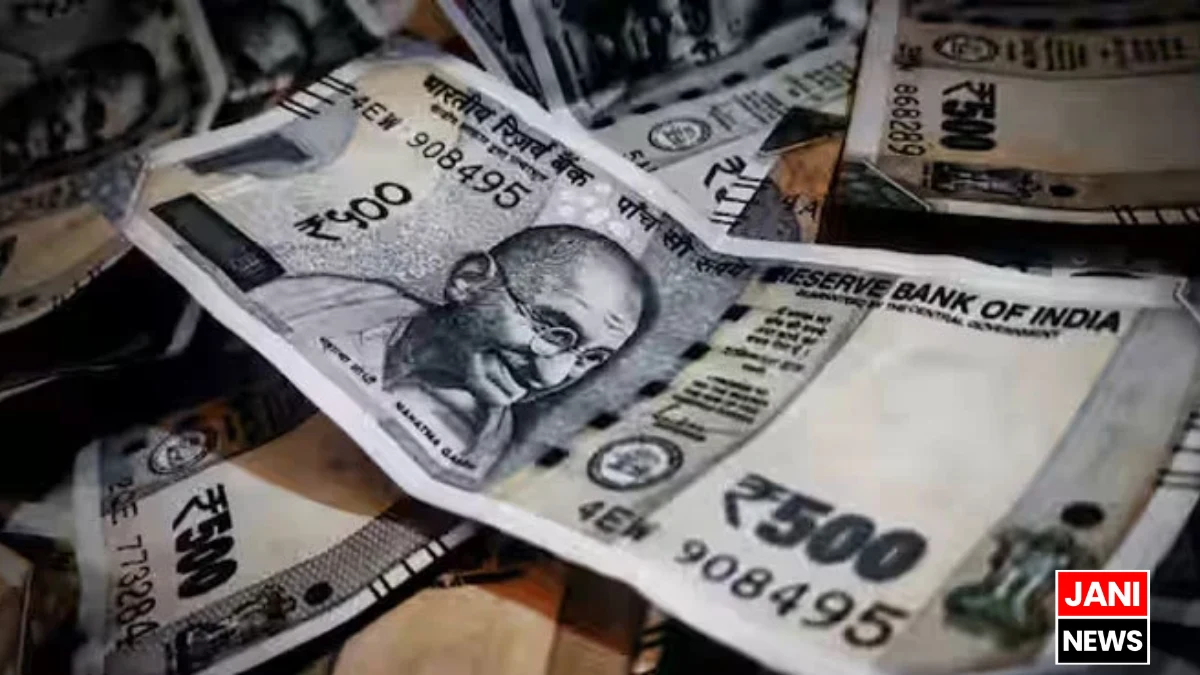
Hey there, if you’re keeping tabs on global currencies – or just wondering why your next trip to the US might cost a bit more – today’s news from the forex markets is a real eye-opener. The Indian rupee has just tumbled to its weakest ever level against the mighty US dollar, closing the day at a staggering 87.20 INR per USD. That’s not just a dip; it’s a full-on plunge that’s got economists and investors buzzing. Let’s break down what happened, why it matters, and what it could mean for your wallet.
Why Did the Rupee Take This Hit?
Picture this: the rupee’s been dancing a tricky tango with the dollar for months now, but today it stepped on its own toes. A cocktail of factors – from persistent trade imbalances to jitters over India’s inflation rates – pushed the local currency over the edge. The Reserve Bank of India (RBI) tried to steady the ship with some timely interventions, but even they couldn’t fully halt the slide.
For context, the rupee started the session around 86.95 but quickly eroded those gains amid heavy selling pressure from importers and foreign funds pulling back. By midday, it was flirting with 87.10, and come close of trading, bam – 87.20. Ouch. According to Bloomberg data, this marks the lowest point since the rupee’s inception in 1947, surpassing the previous record of 86.98 set back in October.
It’s worth noting that the US dollar itself has been flexing its muscles globally, thanks to the Federal Reserve’s hawkish stance on interest rates. When the Fed hints at fewer cuts, investors flock to dollar assets like bees to honey. Meanwhile, India’s growth story – while still robust at around 6.8% GDP for the fiscal year (per IMF estimates) – is getting overshadowed by rising oil import bills. With crude prices hovering near $75 a barrel, that’s extra strain on the rupee.
The Ripple Effects: Who Feels the Pain?
Nobody likes a weakening currency, but some folks get hit harder than others. Here’s a quick rundown of the fallout:
- Travelers and Shoppers Abroad: Planning a holiday in New York or London? You’ll need about 10-15% more rupees than last year for the same splurge. (Pro tip: lock in rates now with a forward contract if you’re savvy.)
- Importers and Businesses: Companies relying on foreign goods – think electronics or machinery – are staring down higher costs. This could nudge up prices for everyday items like smartphones or even auto parts.
- Remittances and NRIs: On the flip side, if you’re sending money home from the Gulf or the States, your dollars stretch further. Good news for the 18 million Indian expats wiring in over $100 billion annually (World Bank figures).
- Stock Market Jitters: The Sensex dipped 0.5% today, with export-heavy sectors like IT holding up better than import-dependent ones. Investors, keep an eye on FII flows – they’ve been net sellers to the tune of $2 billion this month alone.
And let’s not forget inflation. A softer rupee often means pricier fuel and food, which could keep India’s CPI above the RBI’s 4% comfort zone. It’s a delicate balance – the central bank might hike rates soon to defend the rupee, but that risks slowing the economy just when momentum’s building.
Looking Ahead: Can the Rupee Bounce Back?
Short answer? It’s possible, but it’ll take more than wishful thinking. The RBI’s got a war chest of $650 billion in forex reserves (as of November, per official stats), which gives them firepower to buy rupees and prop up the value. Plus, if US data softens – say, weaker jobs numbers next week – the dollar could ease off, offering some relief.
That said, structural fixes like boosting exports (India’s trade deficit hit $25 billion in October) or diversifying away from oil dependency will be key. Think of it like training for a marathon: today’s stumble hurts, but consistent effort pays off.
What do you think – is this a blip or the start of a longer slide? Drop your thoughts in the comments; I’d love to hear from fellow finance watchers.
If you’re digging these market breakdowns and want more straight-talking insights delivered fresh, subscribe to our newsletter for daily updates. And hey, follow us on Facebook and WhatsApp to stay connected – we’ve got quick tips, live Q&As, and zero fluff. Let’s navigate these choppy waters together!