Imagine losing your phone in a bustling Delhi market—heart sinking as you realize scammers might already be rifling through your contacts or worse. Now picture a built-in shield that could track it down or lock it out for good. That’s the promise behind India’s latest push in the fight against digital threats. On November 28, the country’s telecom ministry dropped a directive that’s got the tech world buzzing: smartphone giants must preload a government-backed cyber safety app on all fresh devices sold here. We’re talking about Sanchar Saathi, a tool designed to keep your gadget—and your data—safer in a nation where over 1.2 billion people rely on mobile networks.
This isn’t just a nudge; it’s a firm order. Companies like Apple, Samsung, Vivo, Oppo, and Xiaomi have 90 days to comply, embedding the app so users can’t simply swipe it away. For phones already in warehouses, expect it via over-the-air updates. Why now? India’s telecom scene is massive and messy—think 735 million smartphones in use, with Android dominating at over 95% according to recent Counterpoint Research data. But with cyber frauds skyrocketing, the government sees this as a frontline defense.
What Exactly Does Sanchar Saathi Do?
Launched back in January, Sanchar Saathi has already racked up more than 5 million downloads organically. It’s like having a digital watchdog on your device, sniffing out risks before they bite. Here’s the rundown on its core features:
- Spot and Block Stolen Devices: Report a lost phone, and it taps into a central registry to blacklist it using the IMEI—that’s the unique 15-digit code etched into every handset. Since rollout, it’s helped block 3.7 million pilfered units, making life tougher for thieves and black market hustlers.
- Hunt Down Fraudulent Connections: Over 30 million shady SIMs and duplicate IMEIs have been axed, curbing scams where crooks spoof numbers to impersonate banks or officials.
- Report Dodgy Calls on the Fly: Suspicious ring from an unknown number? Flag it instantly, feeding data back to authorities to dismantle larger fraud rings.
In a country where police recover over 700,000 lost or stolen phones yearly (50,000 just last October alone), this app feels like a game-changer. It’s not perfect—privacy watchdogs are already grumbling about potential overreach—but for everyday folks dodging phishing hooks, it’s a welcome layer of armor.
The Tech Titans’ Tight Spot
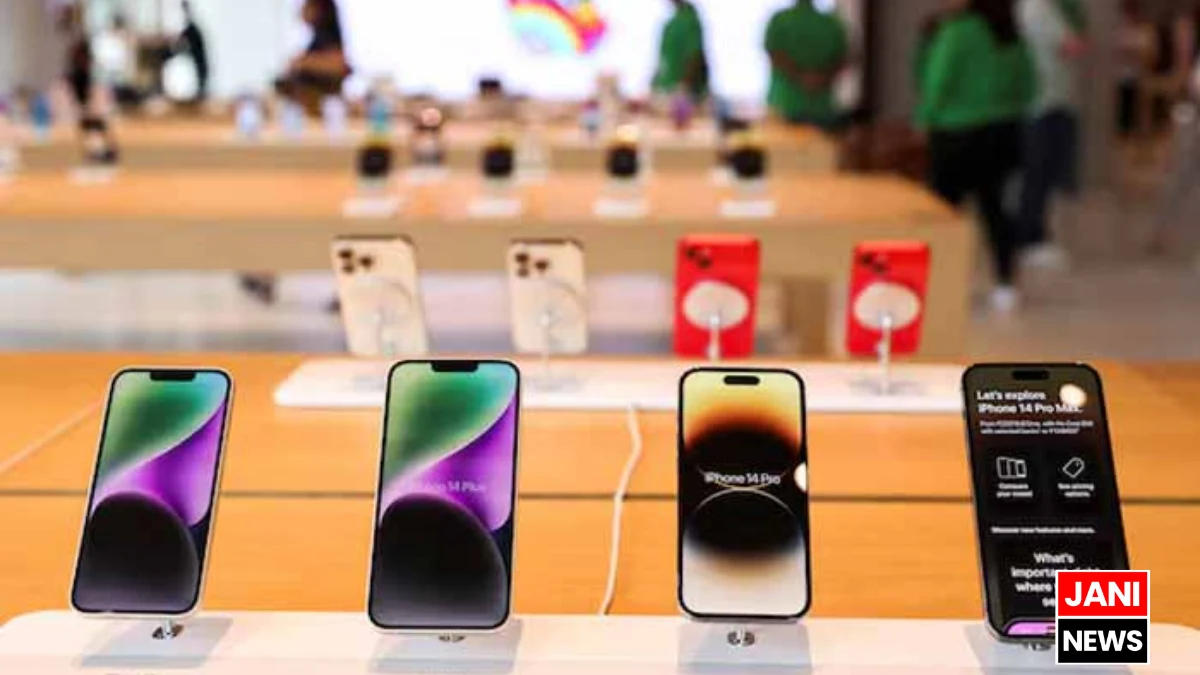
Big players aren’t thrilled. The directive landed without much fanfare or industry chit-chat, stirring up quiet frustration. Take Apple: iPhones hold a slim 4.5% slice of the Indian pie, but Tim Cook’s crew has a track record of pushing back hard. They’ve nixed similar mandates before, citing their ironclad rules against third-party preloads. “Apple has historically refused such requests from governments,” notes Tarun Pathak, a sharp-eyed research director at Counterpoint. He predicts they’ll haggle for wiggle room—maybe a gentle prompt for users to download it voluntarily, rather than forcing it front and center.
Android makers like Samsung and Xiaomi might grumble less; their ecosystems are more flexible with bloatware. Still, the ripple effects could be wide. Developers worry about cluttered home screens, and users might eye-roll at yet another “essential” app they didn’t ask for. On the flip side, proponents argue it’s a small price for big gains. After all, India’s cyber threats aren’t abstract—fraud losses topped $2 billion last year, per government estimates. Embedding safeguards could stem that tide, much like mandatory seatbelts revolutionized road safety decades ago.
Why This Matters in India’s Digital Boom
India’s not alone in this cybersecurity scramble. From Europe’s GDPR crackdowns to the U.S.’s evolving data laws, governments worldwide are wrestling with how to protect citizens without stifling innovation. Here, though, the stakes feel sky-high. With smartphone penetration exploding—expected to hit 1 billion active users by 2026—this preload policy could set a precedent. It bolsters cops in tracing devices and keeps fakes off the streets, but it also spotlights the tension between state control and personal freedom.
Critics, including some privacy advocates, fret over data collection: Who accesses what, and how long does it linger? The ministry insists it’s all anonymized and user-focused, but transparency will be key to building trust. As one analyst put it, this could evolve into a “middle ground” where tech firms and regulators co-create solutions—think customizable alerts instead of blanket installs.
Looking Ahead: A Safer Scroll for All?
At its heart, this move underscores a simple truth: In our hyper-connected world, safety shouldn’t be an afterthought. Sanchar Saathi isn’t a silver bullet, but it’s a proactive step toward taming the wild west of mobile threats. Whether it sticks—or sparks a wave of negotiations—remains to be seen. No word yet from Apple, Google, or the ministry, but you can bet boardrooms are humming.
What do you think—essential protection or government overstep? We’d love to hear your take. In the meantime, why not join the conversation? Subscribe to our newsletter for the latest on global tech shifts, or follow us on Facebook and WhatsApp to stay connected and never miss an update. Your insights keep us all sharper—let’s chat.