

US President Donald Trump Hints Iran’s Borders or Structure Could Change After Ongoing War
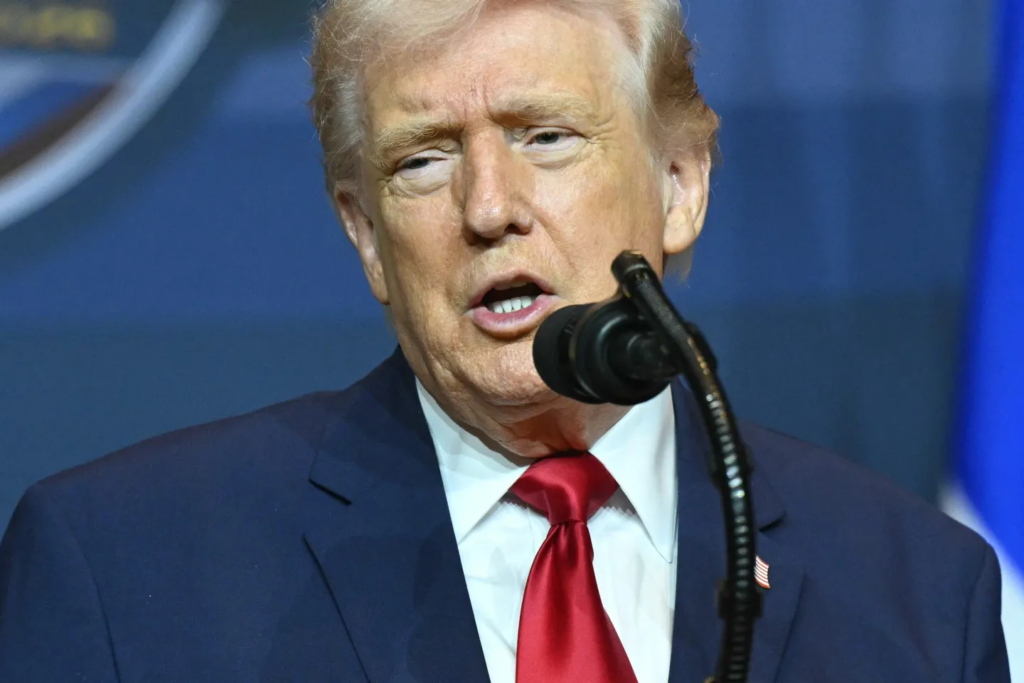
President Donald Trump, speaking to reporters aboard Air Force One, suggested that Iran’s map might look different once the current conflict ends. When directly asked if he thought Iran’s map would “look the same after all this is done,” he first said, “I can’t tell you,” then added, “Probably not.”
This comment highlights the potential long-term consequences of the war, which is now in its second week. The conflict began with major joint US-Israeli airstrikes, including an initial attack on February 28 that killed Iran’s Supreme Leader Ayatollah Ali Khamenei along with dozens of senior military commanders and officials, according to US and Israeli sources.
Khamenei’s death has created significant chaos in Iran’s leadership succession. The country is now operating under an interim arrangement, with its chain of command disrupted and internal divisions emerging amid ongoing strikes and Iranian retaliatory actions.
Trump’s remark implies the war could lead to major shifts—possibly in territorial control, political structure, or even borders—rather than just regime change or military weakening. Some observers interpret “map changing” as a reference to potential balkanization (fragmentation into smaller entities), loss of central authority over regions, or redrawn influence in the Middle East due to weakened Iranian proxies and military capabilities.

The conflict has already involved intense airstrikes targeting command centers, naval assets, and other strategic sites, with reports of widespread destruction in areas like Tehran. Trump has signaled further escalation, while stressing goals like dismantling Iran’s nuclear and missile programs and reducing its regional influence.
The president’s cryptic response reflects uncertainty about the war’s endgame, amid shifting stated objectives—from preventing nuclear breakout to broader regime pressure—and concerns over what might replace the current leadership.