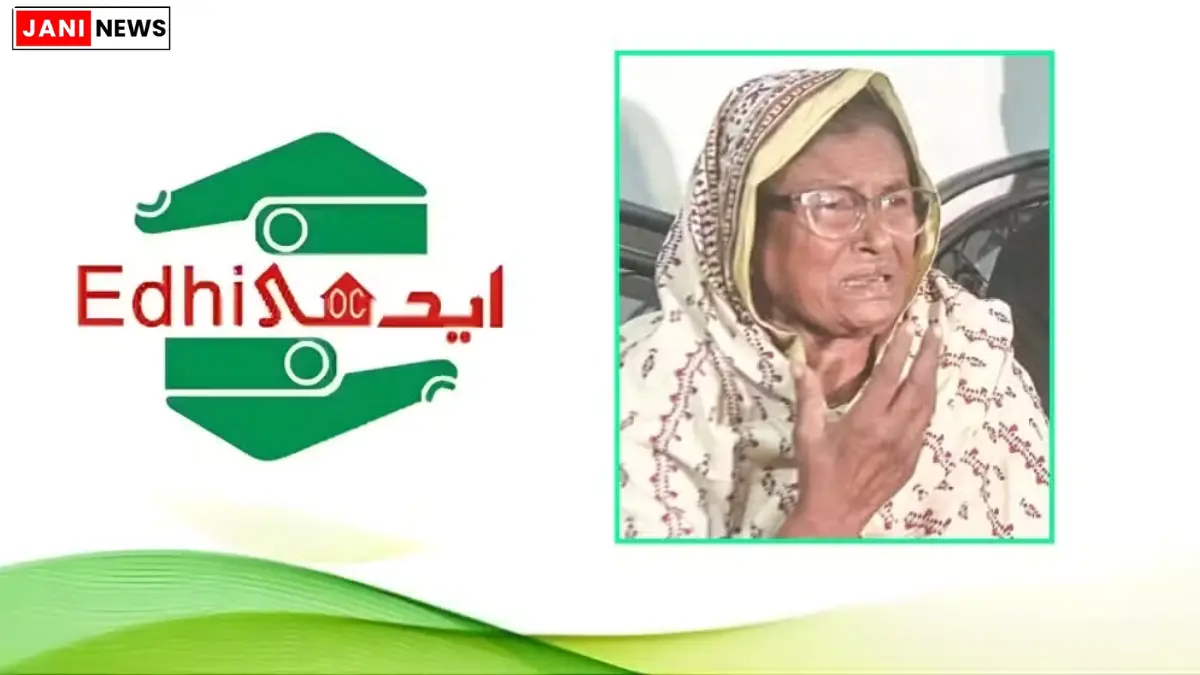
Imagine waking up every day for nearly two decades, staring at the same cracked walls in a foreign city, haunted by the faces of your children growing up without you. That’s the heart-wrenching reality Rashina, a 65-year-old widow from Sri Lanka, endured until just recently. After 18 years trapped in Pakistan—bogged down by bureaucracy, grief, and sheer survival— she’s finally heading back to Colombo to embrace her three kids. It’s a story that tugs at the soul, reminding us how kindness and persistence can rewrite even the toughest fates.
This isn’t just about one woman’s ordeal; it’s a powerful nod to the quiet heroes who step in when systems fail. Let’s dive into how Rashina’s world flipped from despair to hope, and what it means for folks caught in similar binds.
From a Chance Meeting to a Life Upended
Rashina’s tale kicks off in the bustling expat hubs of the Middle East, back when she was a young telephone operator at a travel agency in Kuwait. That’s where she crossed paths with Javed Iqbal, a guy from the small town of Mian Channu in Punjab, Pakistan. Sparks flew, they tied the knot, and soon enough, they were building a life together in Saudi Arabia.
For 15 solid years, they made it work there—raising two daughters, Mumtaz and Aneesha, and a son, Mohammed Rafay. Life wasn’t perfect, but it was theirs. Then came the gut punch: Javed lost his job, got deported to Pakistan, and Rashina had no choice but to head back to Sri Lanka with the little ones in tow. She was heartbroken, but family came first.
A few years later, with hope flickering, she snagged a visa to visit Pakistan and patch things up with Javed. But reality hit harder than expected—his family turned her away, leaving her stranded in Karachi with nowhere to turn. Her visa lapsed, and just when things couldn’t get worse, Javed passed away in 2007 from liver failure. Suddenly, she was a widow, undocumented, and drowning in a Rs. 2.2 million fine for overstaying. That kind of debt? It might as well have been a life sentence.
Scraping By in the Shadows of Karachi
Picture this: a woman in her forties, alone in a massive city like Karachi, with no papers, no money, and ghosts of her past whispering doubts. Rashina rented a tiny spot in the city’s labyrinthine alleys, but as the months blurred into years, even that slipped away. She ended up homeless, depending on the daily grace of strangers for a hot meal.
Enter the Saylani Welfare Trust, a lifeline in the chaos. Their free food distributions kept her going, but it was volunteer Anis Abdul Hafeez who truly changed the game. He didn’t just hand out a plate—he invited her into his family’s home in Surjani Town. For years, she shared their roof, their stories, their warmth. It wasn’t her Colombo life, but it beat the streets.
Health woes piled on next. A serious heart issue landed her in the hospital, and guess who footed the bill? Saylani’s own Arif Lakhani, the trust’s driving force. He covered her bypass surgery and every follow-up, no questions asked. “We’ve seen too many like her,” Lakhani later shared in interviews—folks chewed up by circumstance, yet full of quiet fight.
Still, the fine loomed like a storm cloud. Rashina couldn’t dream of going home without clearing it, and scraping together that sum felt impossible. Desperation led her to the steps of the Karachi Press Club, where she held a solitary protest. One journalist’s story caught the eye of Saad Edhi from the legendary Edhi Foundation, and from there, the wheels started turning.
The Fight That Set Her Free
What happens when goodwill meets grit? You get advocates like human rights lawyer Zia Ahmed Awan, who jumped in after Edhi’s nudge. She teamed up with the Edhi crew to petition the Ministry of Interior, pushing for mercy on Rashina’s behalf. But government gears grind slow, and frustration built.
That’s when they took it up a notch—straight to the Sindh High Court. The Constitutional Bench didn’t mess around; they summoned the Interior Secretary and demanded action. In a move that felt like divine timing, the court ordered the fine waived and cleared Rashina to leave Pakistan within 15 days. No more barriers. Just a path home.
Arif Lakhani didn’t stop at paperwork. He hustled to renew her long-expired Sri Lankan passport and booked a one-way flight from Karachi to Colombo, set for December 2, 2025. As Rashina stood at a tearful press conference in the Edhi headquarters in Meethadar, you could feel the weight lifting. “I’m just a simple woman, scraping by,” she said, her voice cracking with emotion. “That massive fine? It chained me here. I couldn’t even buy a bus ticket, let alone pay it off. But look at this—God sent angels in human form. These folks turned my nightmare into a homecoming for a widow and her orphaned babies.”
Faisal Edhi, carrying on his father’s legacy, chimed in with a simple truth: “If someone’s heart is set on going home, we owe it to them to clear the roadblocks. Fines like these crush the vulnerable—maybe it’s time Pakistan rethinks how we handle cases like Rashina’s.”
Why This Reunion Hits So Hard—And What We Can Learn
Stories like Rashina’s aren’t rare; they’re echoes of countless migrants tangled in red tape. According to Human Rights Watch reports, thousands of undocumented folks in South Asia face similar fines that trap them in poverty cycles (source: HRW’s 2024 migration brief). But her turnaround? It’s proof that a mix of community muscle and legal savvy can break those chains.
Think about it—what if more organizations like Edhi and Saylani got the spotlight they deserve? Or if policies shifted to prioritize compassion over penalties? Rashina’s not just flying back to hugs from Mumtaz, Aneesha, and Mohammed Rafay; she’s a beacon for anyone feeling forgotten.
And get this—she’s already extending invites. “Come to Colombo, all of you,” she told her helpers with a grin. “Stay with us. My kids and I? We’ll make it a party you’ll never forget.” That’s the spirit—turning pain into open arms.
If Rashina’s journey stirs something in you, why not lend a hand? Check out ways to support groups like the Edhi Foundation or Saylani Welfare—they’re out there every day, making miracles happen. Who’s ready to be part of the next comeback story?