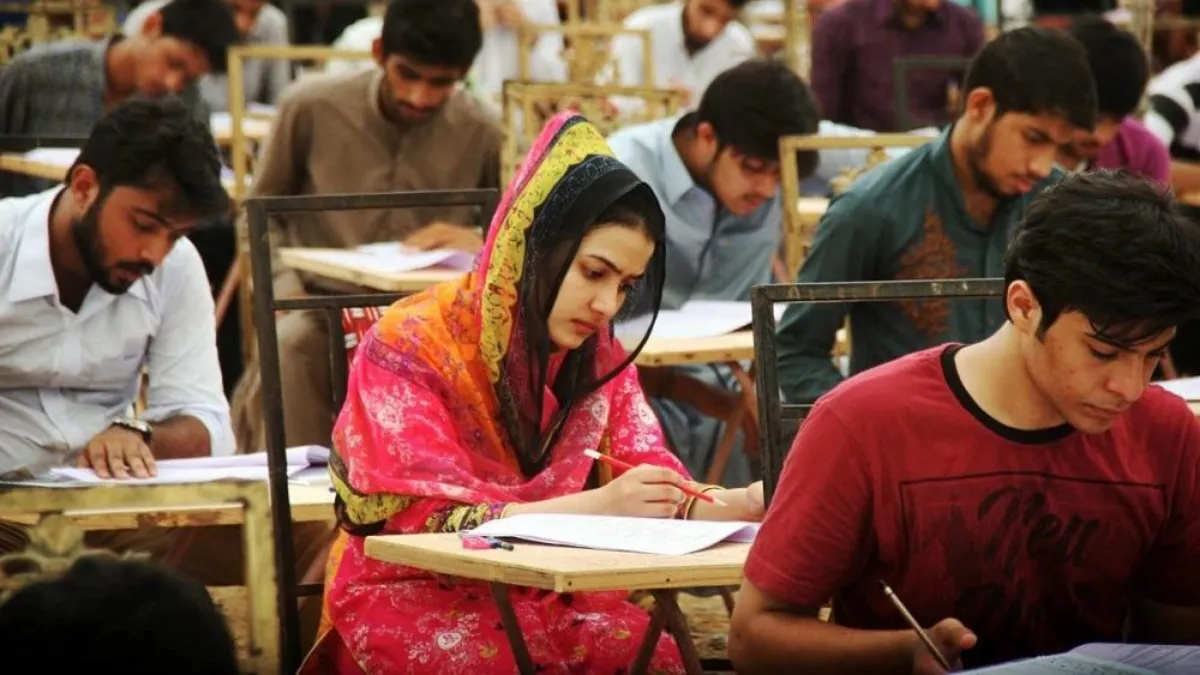
Imagine gearing up for one of the toughest job hunts in the country—pouring months, even years, into books and mock papers—only to face a single shot at glory each year. That’s the frustrating reality for thousands of aspiring civil servants tackling Pakistan’s Central Superior Services (CSS) exam. But hold on: a Senate panel just threw a lifeline, recommending not one, but two exam attempts annually, plus a hike in the age cap. If these changes stick, they could level the playing field for dreamers who hit roadblocks like delayed degrees or family curveballs.
As someone who’s followed public service reforms for years (and trust me, I’ve seen my share of bureaucratic tango), this feels like a genuine nod to fairness. Let’s break down what went down in that Senate room and why it matters for the next generation of bureaucrats.
Why the CSS Exam Needs a Refresh—And Why Now
Pakistan’s CSS exam isn’t just a test; it’s a gateway to power, prestige, and public service. Every year, over 20,000 hopefuls register, but only a fraction—around 200 to 300—make the cut for elite roles in the civil service. (That’s per FPSC stats from recent cycles—talk about high stakes.) Yet, the current setup? It’s rigid. One exam per year means if life throws a wrench (think pandemics or personal setbacks), you’re sidelined for 12 whole months. No wonder dropout rates hover high, and talent slips through the cracks.
Enter the Senate’s Sub-Committee on the Cabinet Secretariat, chaired by Senator Saleem Mandviwala. During a recent huddle with Establishment Division bigwigs and Federal Public Service Commission (FPSC) folks, the group zeroed in on these pain points. Their big ask? Ditch the once-a-year grind for a more forgiving rhythm. Picture this: spring and fall sessions, giving candidates a quicker rebound if things don’t pan out first time around.
But it’s not all smooth sailing. FPSC reps pushed back hard, arguing their paper-based scoring machine just can’t keep up. Marking thousands of scripts twice yearly? That’s a logistical nightmare without tech upgrades. Fair point—after all, India’s UPSC exams juggle similar volumes with digital tweaks, but Pakistan’s system lags a bit. Still, the panel’s not backing down; they see this as essential for keeping sharp minds in the game.
Key Reforms on the Table: What Could Change for CSS Aspirants
The proposals aren’t pie-in-the-sky dreams—they’re targeted fixes to make the CSS more inclusive. Here’s the rundown, straight from the Senate’s playbook:
- Double the Shots: Switch from one annual attempt to two. Why? It slashes wait times, letting you pivot faster without watching your eligibility clock tick away. For context, current rules cap attempts at three total—add a second yearly window, and suddenly, you’ve got breathing room to refine your strategy.
- Age Limit Lift to 35: Bump the cutoff from 30 to 35 years. This one’s a game-changer for late bloomers. Got held up by a master’s delay or work-family juggle? No more “too old” label. (Pro tip: Countries like the UK extended similar limits post-COVID for equity—Pakistan could learn from that.)
- Streamlined Screening and Written Phases: The panel wants more flex in how prelims feed into mains, though details are light. Expect tweaks to cut fluff and spotlight real skills, like analytical chops over rote memory.
These aren’t radical overhauls, but they’re smart. Think of it like upgrading from a clunky old bike to an e-scooter—same destination, way less sweat. And with youth unemployment at 10% nationally (World Bank data, 2024), easing CSS access could funnel more talent into governance where it’s desperately needed.
Potential Hurdles: FPSC’s Pushback and Beyond
Of course, nothing’s set in stone. The FPSC’s concerns about evaluation overload ring true—rushing results could mean sloppy grading, eroding the exam’s gold-standard rep. But here’s where innovation steps in: Why not pilot digital marking or outsource to certified panels? It’s doable, and precedents exist in global civil service tests.
Critics might whisper “dumbing down,” but that’s bunk. More attempts don’t mean lower bars; they mean broader access. In my view—and I’ve chatted with enough ex-CSS toppers to know—this could diversify the officer cadre, bringing fresh perspectives to a service that’s often echoed the same old voices.
What’s Next for CSS Reform? Your Move, Policymakers
This Senate nudge is a spark, not a fire. The full Standing Committee will chew on these ideas soon, and if greenlit, expect FPSC guidelines to evolve by mid-2026. For now, aspirants, keep grinding—reforms or not, that edge comes from smart prep.
Excited about smarter paths to public service? Hit that follow button on our Facebook page for real-time updates on policy shifts like this. Or join the convo on WhatsApp—drop your thoughts on CSS tweaks below. Let’s keep the dialogue rolling. What’s one change you’d make to the exam?