In a move that’s sure to bring some relief to households scraping by on tight budgets, Pakistan’s government has just announced fresh cuts to the prices of kerosene oil and light diesel oil. Effective immediately as of December 1, 2025, these adjustments come at a time when global oil markets are still jittery from supply chain hiccups and geopolitical tensions. If you’re relying on these fuels for cooking, heating, or powering small generators, you’ll feel the pinch easing up—literally, in your wallet.
It’s not every day we see fuel prices dip like this, but with inflation still hovering around 7-8% in the country (per recent State Bank of Pakistan data), these tweaks couldn’t come soon enough. Let’s break it down: what changed, why it matters, and how it fits into the bigger picture of Pakistan’s energy landscape.
The Price Cuts at a Glance
The Ministry of Finance, acting on recommendations from the Oil and Gas Regulatory Authority (OGRA), rolled out the reductions without much fanfare. Here’s the nitty-gritty:
- Kerosene Oil: Down by Rs2.61 per liter, bringing the new price to Rs179.52 from the previous Rs182.13.
- Light Diesel Oil (LDO): A steeper drop of Rs3.36 per liter, now at Rs168.66 compared to Rs172.02.
These aren’t massive swings, but in a nation where over 40% of the population lives below the poverty line (World Bank estimates), even a few rupees can mean the difference between a full meal and going without. No changes were announced for petrol, diesel, or other major fuels this time around—those held steady from the last revision.
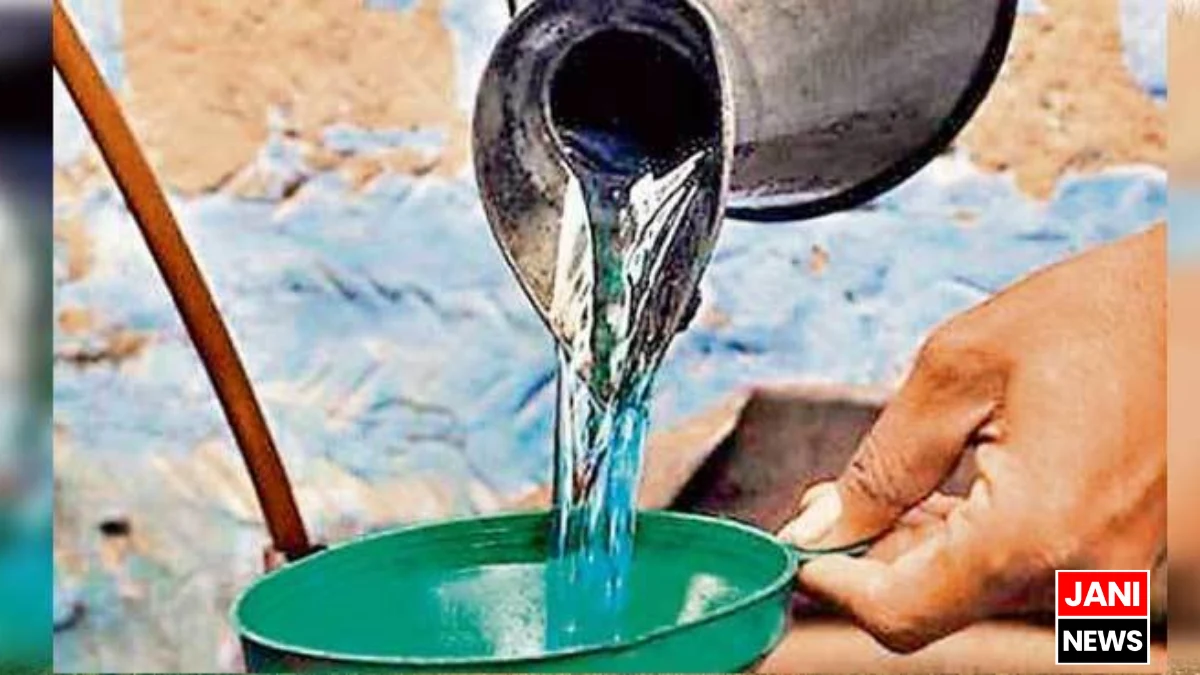
For context, kerosene remains a lifeline in rural areas, where piped gas is a luxury few can afford. Think of it as the unsung hero keeping lanterns lit during load-shedding blackouts or fueling those old-school stoves in off-grid villages.
Why Now? Unpacking the Decision
Fuel pricing in Pakistan isn’t just about numbers on a pump—it’s a high-stakes balancing act. OGRA reviews these every fortnight, factoring in international crude oil benchmarks (like Brent, which dipped below $75 per barrel last week) and exchange rate fluctuations. With the Pakistani rupee showing some stability against the dollar lately, the government seized the moment to pass on savings to consumers.
Don’t get me wrong; it’s not all sunshine. Critics point out that while global prices have softened, local subsidies and taxes often blunt the impact. Still, this adjustment aligns with the government’s broader push under the IMF-backed economic stabilization program—aiming to curb imported inflation without sparking unrest.
Ever wonder how these decisions ripple through? Take a typical Karachi household: lower kerosene costs could shave 5-10% off monthly utility bills, freeing up cash for groceries or school fees. Or in Punjab’s farming belts, cheaper LDO means more affordable irrigation pumps, potentially boosting crop yields by a small but meaningful margin.
Broader Implications for Consumers and the Economy
These cuts might seem minor on paper, but zoom out, and they signal cautious optimism. Pakistan’s energy sector has been a rollercoaster—remember the 2022 floods that jacked up import costs? Fast-forward to today, and with domestic production ramping up (thanks to new exploration in Balochistan), there’s hope for more stability ahead.
That said, experts like those at the Pakistan Institute of Development Economics warn that volatile global events—say, a flare-up in the Middle East—could reverse gains overnight. For now, though, it’s a breather.
Quick Tips to Maximize Your Savings
If these lower prices are hitting your routine, here’s how to stretch them further:
- Stock Up Smartly: Buy in bulk from trusted vendors to avoid adulterated fuel, which can damage appliances.
- Go Efficient: Switch to LED lanterns or energy-saving stoves—they cut kerosene use by up to 30% (Energy Star guidelines).
- Track Trends: Apps like Pakistan Fuel Watch can alert you to future dips, so you’re always one step ahead.
| Fuel Type | Old Price (Rs/L) | New Price (Rs/L) | Reduction (Rs/L) |
|---|---|---|---|
| Kerosene Oil | 182.13 | 179.52 | 2.61 |
| Light Diesel Oil | 172.02 | 168.66 | 3.36 |
Looking Ahead: Stability or Short-Term Fix?
As we wrap up 2025, these reductions feel like a small win in an ongoing battle against rising costs. Will they stick? Only time—and the next OGRA meeting—will tell. But for millions of Pakistanis juggling bills, it’s a reminder that policy can still deliver tangible relief.
What do you think—does this ease the load enough, or are bigger reforms needed? Drop your thoughts in the comments. And if you’re hungry for more updates on energy prices, economic shifts, or tips to navigate it all, why not subscribe to our newsletter? Better yet, follow us on Facebook and WhatsApp for real-time alerts straight to your feed—no spam, just the good stuff.
Sources: Ministry of Finance Pakistan, OGRA announcements, World Bank 2025 Poverty Report.