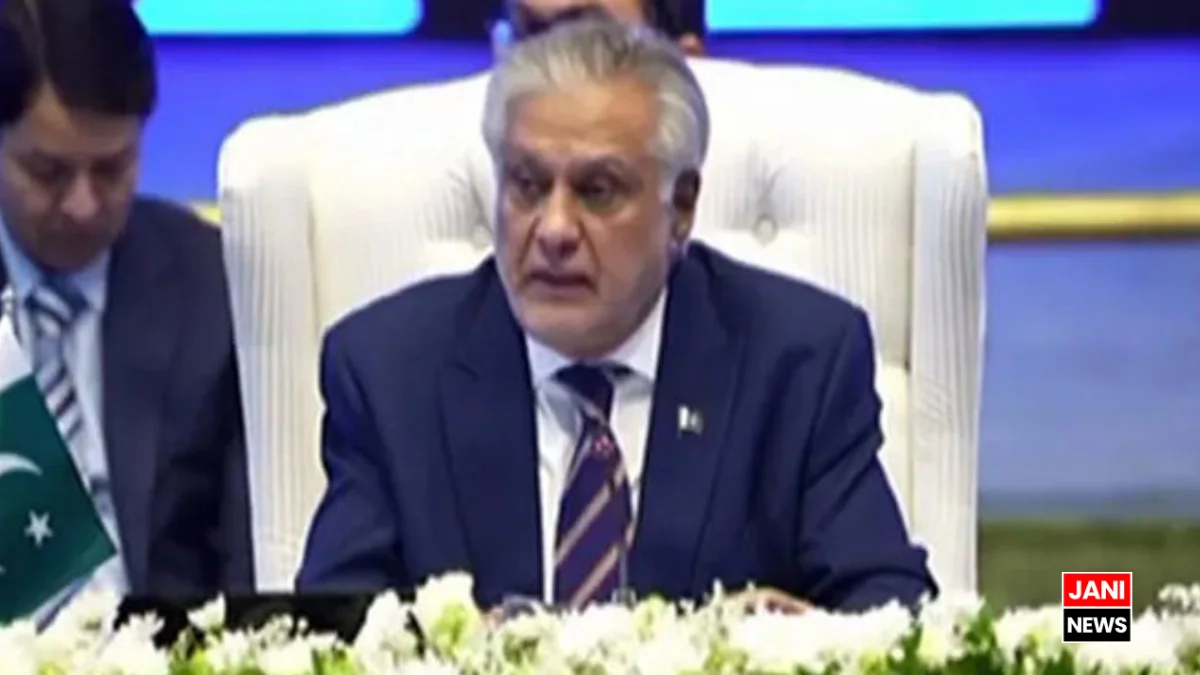
In a surprising turn amid the ongoing turmoil in the Middle East, Pakistan’s Deputy Prime Minister and Foreign Minister Ishaq Dar has floated the idea of sending troops to support a multinational force in Gaza. This comes as global leaders scramble for ways to stabilize the region after months of devastating conflict. It’s the kind of move that could reshape Pakistan’s role on the world stage—think of it as Islamabad stepping up not just with words, but with boots on the ground.
Dar dropped this bombshell during a recent interview, underscoring Pakistan’s long-standing solidarity with Palestine. “We’ve always stood by our Palestinian brothers,” he said, his tone carrying that familiar mix of resolve and caution. But let’s be clear: this isn’t a done deal. It’s more like a feeler, testing the waters in a diplomatic pond that’s already choppy as hell.
The Spark Behind the Statement
What prompted this? Well, the Gaza crisis has been a powder keg since the escalation last year, with civilian casualties piling up like sand dunes in a storm. According to UN reports, over 40,000 Palestinians have lost their lives, and that’s a number that keeps climbing—heartbreaking stats from sources like the World Health Organization that make you pause and wonder how much more the world can stomach.
Dar’s comments echo a broader push from the international community. Remember the 1990s? Pakistan sent peacekeepers to Bosnia and Somalia, proving it knows the drill when it comes to UN-mandated ops. This Gaza talk feels like a callback to those days, but with higher stakes. The Deputy PM didn’t mince words: Pakistan’s ready to contribute if the stars align—meaning a clear UN mandate and buy-in from key players like the Arab League.
It’s not every day you hear a major Muslim nation pondering intervention in an Arab hotspot. Could this be Pakistan’s way of flexing its diplomatic muscles while navigating ties with the U.S., China, and regional heavyweights? Absolutely. And honestly, in a world where headlines scream division, this feels like a rare glimmer of proactive unity.
What a Gaza Force Might Look Like
Picture this: a coalition of troops from countries like Pakistan, Jordan, maybe even Egypt, patrolling buffer zones to enforce a ceasefire. Dar emphasized that any deployment would focus on humanitarian corridors—getting aid trucks rolling without fear of airstrikes or ambushes. “Our forces are trained for this; they’ve done it before,” he added, nodding to Pakistan’s track record with over 200,000 troops in UN missions worldwide since the 1960s.
But here’s the rub—and it’s a big one. Logistics alone would be a nightmare. Gaza’s a strip of land squeezed between Israel and the sea, riddled with rubble from the fighting. How do you insert foreign soldiers without escalating tensions? Experts, drawing parallels to the ill-fated Lebanon force in the 80s, warn of pitfalls: everything from sniper fire to political backlash at home.
To break it down, let’s look at the potential upsides and hurdles:
- Pros of Pakistani Involvement:
- Boosts credibility: Positions Pakistan as a peacemaker, not just a bystander.
- Humanitarian edge: Troops could secure aid routes, saving lives—UNICEF estimates 1.9 million Gazans face acute food insecurity right now.
- Regional thaw: Might ease strains with Israel-adjacent allies.
- Cons and Risks:
- Domestic pushback: Not everyone’s on board; protests could erupt if it smells like Western meddling.
- Security threats: Insurgent groups don’t take kindly to outsiders—see the Taliban playbook.
- Funding woes: Who foots the bill? Past missions have strained Pakistan’s already tight budget.
Dar himself acknowledged these gray areas, urging caution. “We move only if it’s for peace, not politics,” he quipped, that dry wit slipping in like an old friend’s aside.
Broader Implications for Pakistan and Beyond
Zoom out, and this isn’t just about Gaza—it’s a litmus test for Pakistan’s foreign policy under the current coalition government. With elections looming and the economy still wobbling (inflation hovered at 12% last quarter, per State Bank data), Dar’s signaling strength abroad to shore up support at home. Smart play, if you ask me.
On the global chessboard, it could nudge others off the fence. Saudi Arabia’s already floated similar ideas, and if Pakistan joins the chorus, we might see a domino effect toward real de-escalation. Yet, skeptics point to history: interventions often drag on, like quicksand. The question is, will this fizzle into rhetoric, or spark something lasting?
For now, all eyes are on Islamabad. Will they commit, or keep it hypothetical? Either way, it’s a reminder that in geopolitics, even whispers can echo loud.
If you’re following this unfolding story and want the latest updates straight to your feed, why not subscribe to us on Facebook for daily breakdowns? Or hop over to our Whatsapp channel for quick alerts—no spam, just the good stuff. Stay informed, stay engaged.