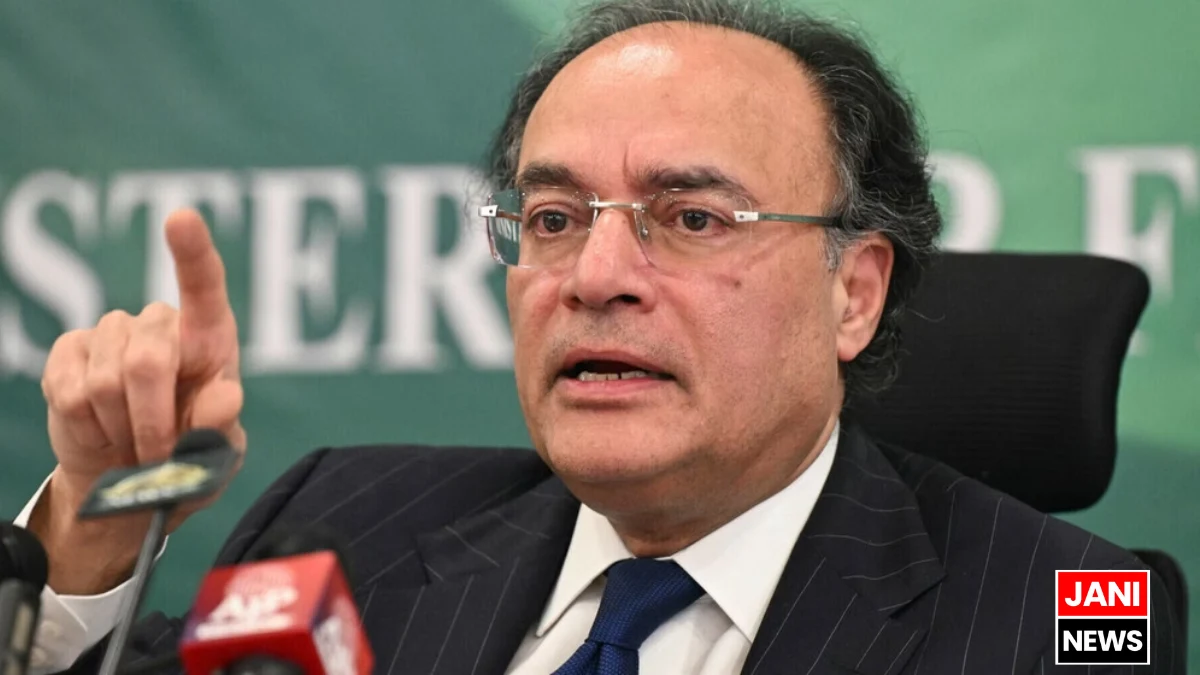
Imagine sitting down with the folks who set the global standards for money matters—accountants, regulators, the whole nine yards—and laying out your nation’s playbook for a greener, more resilient economy. That’s exactly what unfolded recently when Pakistan’s Finance Minister, Senator Muhammad Aurangzeb, hosted a powerhouse delegation from the International Federation of Accountants (IFAC). In a conversation buzzing with urgency and optimism, they tackled everything from battling climate chaos to empowering small businesses. It’s a reminder that in today’s world, finance isn’t just about numbers; it’s about building a future that doesn’t crumble under the weight of floods or forgotten opportunities.
Aurangzeb didn’t mince words. “Climate change isn’t some distant threat—it’s hitting us square in the wallet right now,” he told the group, driving home how recent devastating floods could knock nearly 0.5% off Pakistan’s GDP this year. Drawing from reports by the World Bank and Pakistan’s own economic surveys, this kind of hit underscores why green finance has to be more than buzzwords—it’s survival strategy. The minister’s push here feels personal, like a captain steadying the ship before the next storm rolls in.
Why Green Finance Is Pakistan’s New Economic Lifeline
Let’s face it: Pakistan’s geography puts it on the front lines of climate weirdness. Monsoon madness, glacial melts—you name it, we’re dealing with it. That’s why Aurangzeb zeroed in on ramping up green taxonomy efforts, those handy classifications that help investors spot truly eco-friendly projects amid the greenwashing noise. Think of it as a financial GPS, guiding cash toward solar farms or drought-resistant crops instead of polluting factories.
He’s also championing beefed-up sustainability reporting, where companies spill the beans on their environmental footprint—not just for show, but to weave climate smarts into everyday business decisions. And the big one? Climate-aligned frameworks that tie loans and investments directly to resilience goals. It’s all part of a phased rollout hitting both big listed firms and smaller players, ensuring no one’s left in the dark.
What does this mean in real terms? Picture a textile exporter in Faisalabad swapping old dyeing vats for low-water tech, thanks to green bonds that make it affordable. Or farmers in Punjab accessing insurance tailored to erratic rains. These aren’t pie-in-the-sky ideas; they’re grounded in global standards like IFRS, which Pakistan has fully embraced, making our markets more trustworthy for international players.
Bridging the Gap: Revamping SME Financial Practices
Small and medium enterprises—they’re the heartbeat of Pakistan’s economy, powering exports and jobs in clusters from Sialkot’s sports goods hubs to Karachi’s garment districts. But here’s the rub: many struggle with spotty financial records, like trying to navigate a city without maps. Aurangzeb called this out loud and clear, stressing the massive capability chasm in reporting that keeps these businesses sidelined from formal credit and growth.
His vision? A team effort across institutions to drag SMEs into the modern age—standardized ledgers, digital tools, the works. “We need to hand them the tools to document and standardize, turning informal hustles into scalable successes,” he noted, painting a picture of coordinated support that could unlock billions in untapped potential. According to a 2024 Asian Development Bank study, closing this reporting gap could boost SME lending by up to 30% in emerging markets like ours—game-changing stuff.
It’s not just talk. Initiatives are bubbling up, from workshops with bodies like the Institute of Cost and Management Accountants of Pakistan (ICMAP) to tech pilots that simplify bookkeeping for non-techies. Ever tried balancing books on a smartphone app while juggling orders? That’s the accessible revolution Aurangzeb envisions, one that levels the playing field without overwhelming the little guy.
Navigating the Digital Frontier: Crypto, AI, and Beyond
No finance chat in 2025 would be complete without dipping into the wild world of digital assets. Aurangzeb laid out Pakistan’s fresh guardrails: the shiny new Pakistan Virtual Asset Regulatory Authority and a dedicated crypto council. They’re rolling out a licensing system that’s all about KYC (know your customer) and AML (anti-money laundering) compliance—think of it as a bouncer at the club, letting innovation in while keeping the sketchy stuff out.
“The aim? Channel that crypto energy into our formal economy, with real consumer shields,” he explained. It’s a balanced dance: embracing blockchain’s speed for remittances (which pour in over $30 billion yearly, per State Bank data) without the Wild West risks.
Then there’s AI sneaking into the accounting toolkit—transforming audits from drudgery to detective work. The group swapped notes on ethics here, because nothing says “trust me” like algorithms that don’t hallucinate your tax returns. Public sector shifts got airtime too: Pakistan’s ditching cash-based accounting for accrual under IPSAS, powered by ERP systems. By fiscal year’s end, expect seamless e-payments from top to bottom—no more paper trails lost in the bureaucracy.
Forging Ahead: Partnerships That Pack a Punch
This wasn’t a one-way street. IFAC’s president, Jean Bouquot, brought the global view—sustainability mandates, audit integrity amid AI upheavals, and the surge in non-financial checks that demand sharper training. Joined by Pakistan’s Auditor General Maqbool Ahmad Gondal, SECP Chair Akif Saeed, and reps from the South Asian Federation of Accountants (SAFA), the room hummed with cross-border synergy.
They chewed over regional tie-ups, AI-infused curricula for accountants, and how Pakistan’s economy is clawing back—lower inflation, steadier reserves, you get the picture. Aurangzeb wrapped it up on a high: “We’re all in on deepening these bonds in accounting, green goals, and digital smarts.”
In the end, it’s these kinds of dialogues that turn policy into progress. Pakistan’s charting a course where finance fuels fairness and foresight, not just figures. What’s next? Watching these reforms ripple out—because when SMEs thrive and green investments flow, everyone’s betting on a brighter tomorrow.
Ready to stay ahead of the curve on Pakistan’s economic shifts? Follow us on Facebook and WhatsApp for daily insights delivered straight to your feed—no spam, just the good stuff.