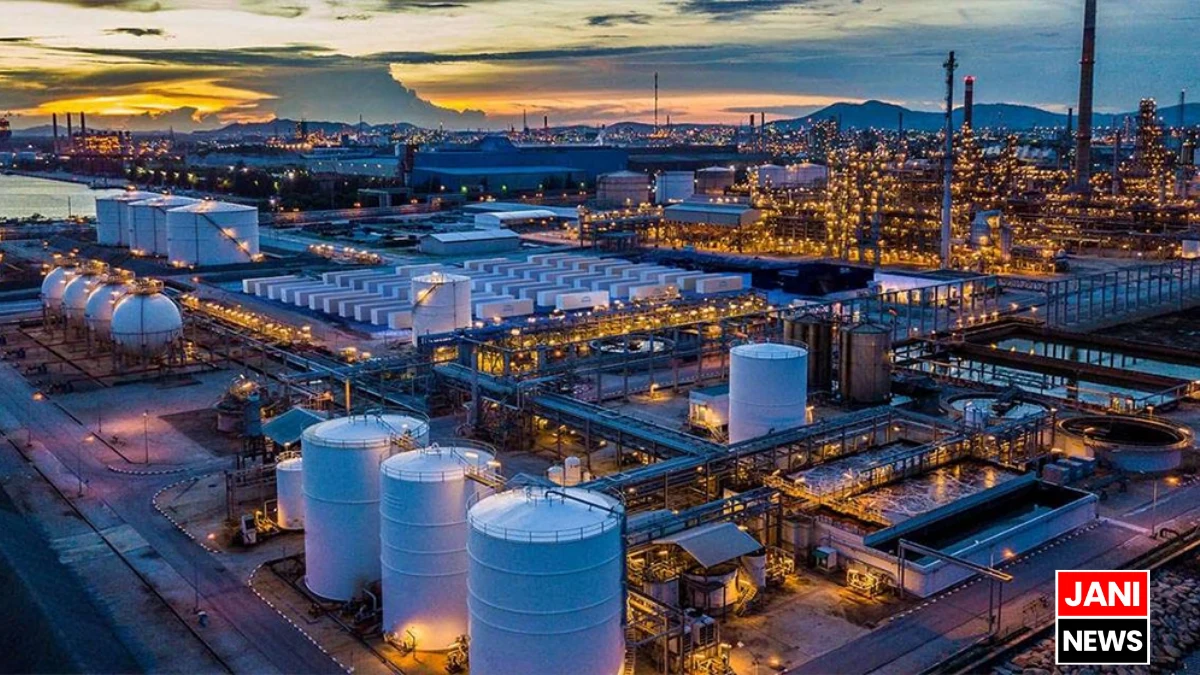
Imagine driving along the bustling Rawalpindi Ring Road, where the hum of traffic soon gives way to the steady rhythm of new factories springing to life. That’s the vision Punjab’s government is chasing with its latest announcement—a brand-new industrial zone poised to supercharge the province’s economy. If you’re an entrepreneur eyeing opportunities in Pakistan’s heartland, or just curious about how these developments could ripple through jobs and growth, stick around. This isn’t just another press release; it’s a game-changer for industrialists tired of outdated setups.
In a recent visit to the Rawalpindi Chamber of Commerce and Industry, Punjab’s Minister for Industries and Commerce, Chaudhry Shafay Hussain, laid out plans that feel like a breath of fresh air. We’re talking about tackling real pain points head-on, from cramped facilities to sluggish infrastructure. And with Punjab’s industrial zones expanding, it’s clear the province means business—literally.
Why Now? The Push for Punjab’s Industrial Renaissance
Let’s face it: Pakistan’s industrial landscape has seen better days, especially after years of what the minister calls “neglect” under past administrations. Hussain didn’t mince words during his RCCI stop, pointing fingers at predecessors while pledging swift action. “We’re committed to sorting out industrialists’ headaches on a priority basis,” he said, his tone a mix of frustration and fire.
This isn’t empty talk. Improved roads, reliable power, and investor-friendly policies have already sparked a wave of confidence. Local players are doubling down, and foreign cash is trickling in—think billions in potential FDI, according to recent economic reports from the Board of Investment. But the real buzz? A dedicated push to match infrastructure with what businesses actually need.
Take mobile phone manufacturing, for instance. In just six months, Punjab aims to kick off local production, slashing import reliance and creating thousands of skilled jobs. It’s like upgrading from a clunky old phone to a sleek smartphone—faster, smarter, and built to last.
Spotlight on Key Projects: From Bahawalpur to Sheikhupura
Hussain’s roadmap reads like a wishlist for every factory owner in the province. Here’s the rundown on what’s cooking:
- Bahawalpur’s Big Debut: For the first time ever, industrial units are popping up in the Bahawalpur Industrial Estate. This southern gem, often overlooked, is getting a facelift to lure textile and agro-processing outfits. Early movers could snag prime plots before the rush.
- Sheikhupura’s Double Win: Construction’s underway on 10 shiny new factories at Quaid-i-Azam Business Park. And right nearby? A state-of-the-art garment city, fully wrapped up and ready to weave Punjab deeper into the global fashion supply chain. If you’ve ever wondered how a single hub could churn out exports worth millions, this is it—streamlined ops, from cutting cloth to shipping threads.
- Special Economic Zones Heating Up: Come next month— that’s January 2026, folks—these zones will flip the switch on fresh facilities. Tax breaks, one-window clearances… it’s the kind of setup that turns “maybe later” into “let’s build now.”
But here’s a nudge from the top: If you’ve got a plot in any industrial estate and you’re dragging your feet on setup, watch out. Policy’s clear—fail to deliver, and it’s goodbye forever. No more hoarding land like it’s a rainy-day fund.
Rawalpindi’s Ring Road Revolution—and Beyond
Zooming in on Rawalpindi, the new industrial estate hugging the Ring Road couldn’t come at a better time. Traffic snarls? Outdated access? Hussain’s already barking orders to fix the Rawat Industrial Estate’s entryway, making it easier for trucks to roll in without the usual headache.
During his RCCI chat, chamber prez Usman Shaukat and group leader Sohail Altaf didn’t hold back. They dished on sector-specific woes—from energy costs to red tape—and floated ideas to turbocharge growth. Hussain lapped it up, urging everyone to dive into those special economic zones. “Seize these chances,” he implored. “Punjab’s open for business, and we’re rolling out the red carpet.”
It’s personal for folks like Shaukat, who’s spent years advocating for smoother sails in a sea of bureaucracy. And honestly? Seeing government and industry huddle like this feels refreshing—like old friends finally syncing up after too long apart.
The Bigger Picture: Jobs, Growth, and a Lithium Leap
Don’t sleep on the lithium battery angle, either. Punjab’s gearing up to host full-scale plants, riding the global EV wave. With demand skyrocketing—global lithium-ion market hitting $100 billion by 2030, per Statista—this could position the province as South Asia’s go-to hub. Pair that with small estate upgrades greenlit by the chief minister, and you’ve got a recipe for widespread wins: more factories mean more paychecks, from welders to warehouse pros.
Critics might scoff, saying promises like these echo past flops. Fair point. But early signs—like those Sheikhupura shovels in the dirt—suggest this round’s for real. Infrastructure isn’t just patched; it’s reimagined.
Wrapping It Up: Your Move in Punjab’s Industrial Boom
Punjab’s industrial zones aren’t just expanding—they’re evolving, one strategic plot at a time. Whether you’re a startup dreamer or a seasoned exporter, these shifts scream opportunity. Keep an eye on Rawalpindi’s Ring Road; that’s where the action’s igniting.
What do you think—ready to stake a claim in this growth story? We’d love to hear your take.
Follow us on Facebook and WhatsApp for the latest scoops on Pakistan’s economic pulse—join the conversation today!