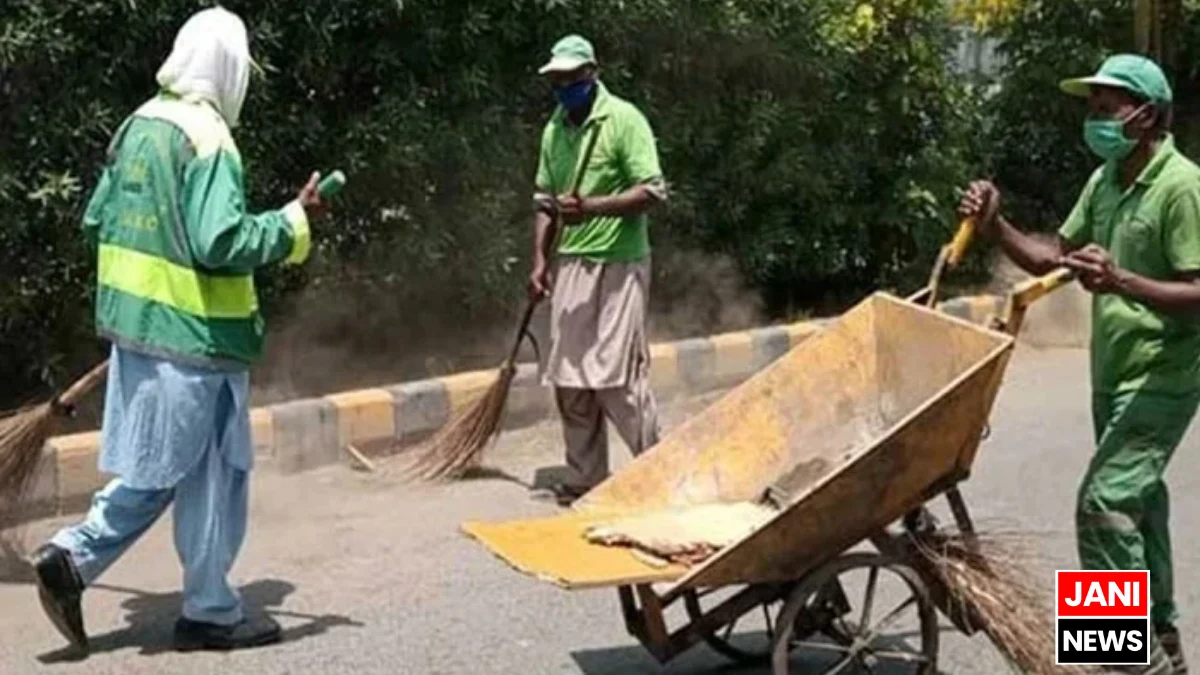
Imagine turning a province’s trash into treasure—literally powering homes and creating jobs while slashing pollution. That’s the magic Punjab’s Suthra Punjab waste management initiative has pulled off in just eight short months. Launched amid a decades-old rubbish crisis, this ambitious program now serves 130 million folks across sprawling urban hubs and remote villages, processing a staggering 50,000 tons of waste daily. It’s not just about cleaner streets; it’s a smart, tech-driven model that’s caught the eye of international heavyweights like Forbes and even shone at COP30. If you’re wondering how one region tackled its waste woes head-on, stick around—because this story’s got lessons for cities everywhere.
The Messy Backstory: Punjab’s Long Battle with Waste
For years, waste in Punjab felt like an unbeatable foe. Picture this: bustling Lahore might snag spotty collections here and there, but hop over to the countryside—home to about 70 million people scattered across 25,000 villages—and you’d find zilch. No formal pickups meant rubbish piled up in alleys, choked rivers, and turned fields into dumping grounds. We’re talking clogged drains breeding mosquitoes, toxic leaks poisoning soil, and a constant hum of health hazards from waterborne diseases to respiratory issues.
It was chaos, plain and simple. Informal dumps sprouted like weeds along riverbanks, turning scenic spots into eyesores and environmental nightmares. Punjab’s leaders knew they couldn’t keep kicking this can down the road—literally. Enter the spark: a new administration eyeing a proven fix from Lahore and dreaming big for the whole province.
Birth of Suthra Punjab: From Lahore Pilot to Provincial Powerhouse
What kicked it all off? A straightforward chat, as Babar Sahib Din, the driving force behind Lahore Waste Management Company (LWMC), remembers it. The Chief Secretary leaned in one day and asked, “You’ve nailed cleanliness in Lahore—think we can scale that magic across Punjab?” That nudge birthed Suthra Punjab, or “Clean Punjab,” a unified beast under a fresh provincial waste authority anchored by LWMC.
Forget those half-baked pilots of yesteryear. This crew went all-in, blanketing over 200,000 square kilometers with reliable services—from city sidewalks to the tiniest hamlets. Rural spots, long ignored, now get the same treatment as fancy urban zones. And get this: they pulled it off in record time, thanks to rock-solid political backing that kept the momentum roaring.
It’s like upgrading from a rusty old bike to a high-speed electric fleet—sudden, seamless, and seriously effective.
How It All Works: Tech, Grit, and a Dash of Innovation
At its core, Suthra Punjab isn’t just about hauling trash; it’s a slick, digitized operation that’s arguably the world’s biggest of its kind under one roof. Trucks zip around with GPS trackers, bins get real-time check-ins, and a buzzing control room crunches data like a pro. Routes optimize on the fly, disposals log automatically, and even contractor payouts tie straight to performance metrics. No more “ghost” hauls or shady shortcuts—everything’s transparent, dashboard-style.
This setup doesn’t stop at collection. It’s all about squeezing value from the mess:
- Waste-to-Energy Magic: A shiny 25-megawatt plant in Lahore gobbles up refuse to spark electricity for 50,000 households, feeding right into the national grid. That’s like flipping your daily garbage into a neighborhood power source.
- Job Creation Boom: Over 100,000 green gigs have popped up—from sorters to tech whizzes—putting women and youth front and center in the mix. It’s not charity; it’s opportunity knocking.
- Eco Wins: Expect to dodge around 2 million tons of CO2-equivalent emissions yearly. The Lahore setup alone slashes methane by about 75% through clever gas capture, churning out roughly 275,000 carbon credits annually. Add in recycling hubs, composting yards, and bio-treatment for organics, and you’ve got waste that’s less villain, more asset.
Short paragraphs like these keep things moving, right? Because who wants to wade through walls of text when the real thrill is seeing streets sparkle and rivers run clearer?
Funding the Future: Smart Money Moves That Stick
Here’s where it gets clever—nobody’s footing this bill on blind faith. Suthra Punjab blends public seed money for basics like street sweeps, light user fees to build that “we’re in this together” vibe, and straight-up revenue from energy sales plus those carbon credits. It all funnels into a locked-down escrow for zero funny business, even unlocking loans from banks eager for a solid bet.
Leaders are betting on flipping the script to profitability soon. Why? Because once you start treating waste like a resource, the dollars follow the sense. It’s sustainable, scalable, and—dare I say—exciting for a topic that used to make eyes glaze over.
Spotlight on the World Stage: Cheers from COP30 and Beyond
Eight months in, and Suthra Punjab’s already a headliner. Forbes couldn’t stop raving about its speed and smarts, while at COP30 in Brazil, it strutted as a prime example of waste-meets-climate wizardry. Babar Sahib Din didn’t mince words: “This is one of the planet’s largest, most dialed-in waste systems out there.” His partner in crime, Faraz Khan from SpectrEco, credits the win to bold leadership, those lucrative carbon plays, and a team that hustles like entrepreneurs at a startup pitch.
Even Prime Minister Shehbaz Sharif jumped on X, hailing “swift, eye-popping strides in solid waste management” and tipping his hat to Chief Minister Maryam Nawaz Sharif’s squad for making it “genuinely game-changing.” No wonder spots like Jakarta and Nairobi are peeking over the fence, itching to borrow notes.
Sahib Din sums it up with a grin: Strong wills and fired-up teams can crush any scale in warp speed—if the government’s got your back. (They tweaked 30% of the blueprint after six months, proving flexibility’s the secret sauce.)
Why This Matters—and What’s Next for Waste Warriors
Think about it: In a world choking on 2.24 billion tons of trash yearly (per UN stats), Punjab’s playbook feels like a breath of fresh air. It’s proof that with the right mix of tech, heart, and hustle, you can clean up a crisis without breaking the bank—or the planet.
Cities everywhere could learn from this: Start small if you must, but dream province-sized. Cleaner air, buzzing economies, fewer ER visits from junk-related ills—it’s all within reach.
Keen to stay looped on eco-innovations like these? Follow us on Facebook and WhatsApp for bite-sized updates that’ll keep you inspired. What’s your take—ready to see this model hit your hometown?