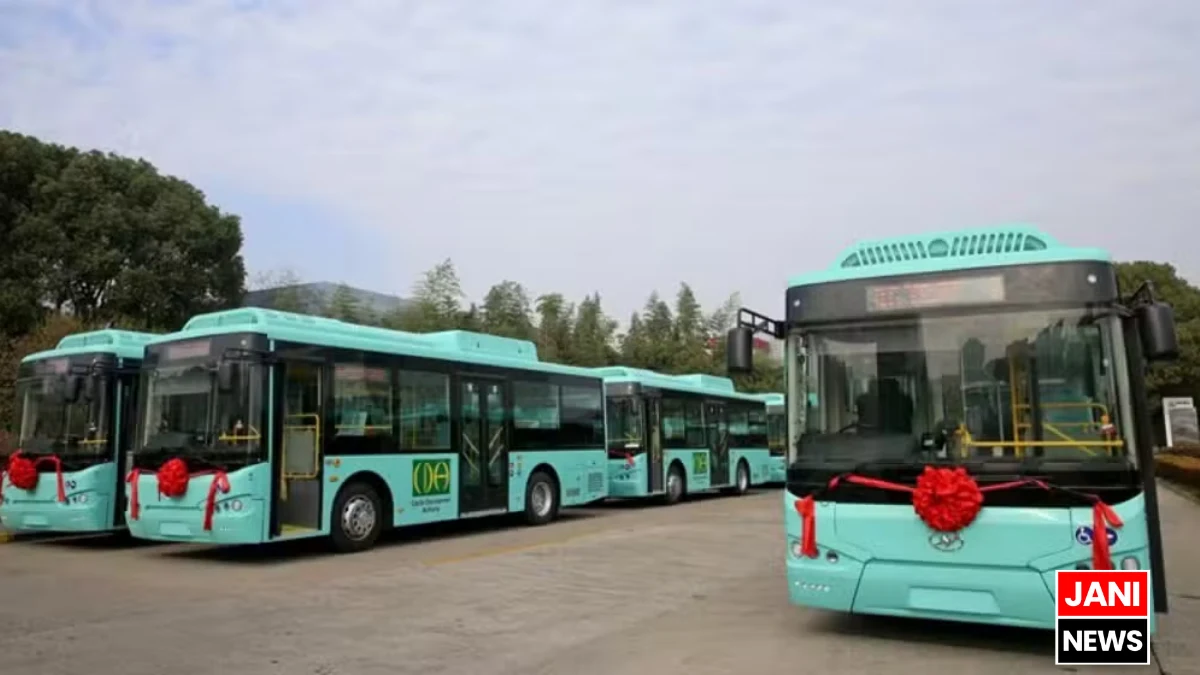
Imagine hopping on a sleek, eco-friendly bus for a quick, affordable ride through the city—only to have your peace shattered by flying stones. That’s exactly what unfolded on a routine route in Islamabad, leaving passengers rattled and officials scrambling. On November 29, 2025, unidentified assailants targeted a Green Electric Bus, hurling rocks that smashed windows and forced the vehicle to a sudden stop. It’s a stark reminder of the growing pains facing modern public transport in Pakistan’s capital.
As someone who’s followed urban mobility trends for years, I’ve seen how initiatives like this can transform daily commutes. But when vested interests clash with progress, things get ugly fast. The Capital Development Authority (CDA) has now stepped in with a no-nonsense response, vowing to hunt down those behind the chaos.
What Really Happened on the Nilore–Khanna Pul Route?
Picture this: It’s a typical afternoon in Islamabad. The Green Electric Bus, part of the CDA’s push for greener streets, chugs along the Nilore to Khanna Pul stretch. Suddenly, a barrage of stones rains down from the roadside. Glass shatters. Screams echo inside as passengers duck for cover. The driver slams on the brakes, averting disaster but stranding everyone mid-journey.
Eyewitness accounts paint a scene of sheer terror—folks clutching their bags, hearts pounding, wondering if it’s a random act or something more sinister. No one was seriously hurt, thank goodness, but the damage to the bus (and trust in the system) is real. This isn’t just vandalism; it’s an assault on a service that’s become a lifeline for budget-conscious commuters.
The attack didn’t go unnoticed for long. Social media lit up almost immediately, with journalist Shiraz Hassan tweeting about the incident in real-time: “Unidentified suspects pelted stones at the CDA Green Bus heading from Khanna Pul to Nilore in Islamabad. The bus windows are broken. The Green Bus is providing quality travel facilities to the public at low cost.” His post, complete with a photo of the shattered vehicle, quickly amplified the story, drawing widespread outrage.
CDA Cracks Down: Investigation Launched, Culprits in the Crosshairs
CDA Chairman Chaudhry Muhammad Ali Randhawa didn’t mince words when he caught wind of the news. “This kind of thuggery won’t be tolerated,” he declared, ordering an urgent probe to track down the stone-throwers. In a statement that hit like a gut punch to the perpetrators, Randhawa stressed that anyone disrupting public safety deserves zero mercy.
Under his directive, the CDA’s teams are digging deep—reviewing footage, interviewing witnesses, and coordinating with local law enforcement. A formal FIR has already been lodged at the nearest police station, putting the full weight of the law behind the effort. It’s clear: This isn’t a slap on the wrist; it’s a full-throated commitment to protecting the very essence of the project.
Why the urgency? Well, the Green Urban Transport initiative isn’t just buses—it’s a game-changer. Launched to slash emissions and ease traffic woes, these electric rides offer fares as low as PKR 30 for a full trip. In a city where private vans often overcharge and underdeliver, that’s revolutionary. Randhawa himself called it “safe, sustainable mobility at a fraction of the cost,” and he’s dead right. Losing momentum here could set back Islamabad’s eco-ambitions by years.
The Bigger Picture: Transporters’ Turf War or Random Rage?
Dig a little deeper, and you’ll uncover whispers of motive. CDA insiders point fingers at disgruntled local transporters—those old-school operators who’ve dominated routes for decades. As Green Buses gain traction (pun intended), eating into their profits, resentment boils over. “It’s not the first time,” one source confided. Past skirmishes on other lines suggest a pattern: Sabotage disguised as spontaneous fury, all to scare off riders and stall the shift to electric fleets.
This isn’t unique to Islamabad, either. Across Pakistan, similar flare-ups have dogged eco-transport rollouts—from Lahore’s Orange Line tussles to Karachi’s bus rapid transit headaches. A 2023 World Bank report on urban mobility in South Asia noted that such resistance can delay projects by up to 40%, costing millions in lost efficiency and environmental gains. (World Bank, “Sustainable Urban Transport in South Asia,” 2023). It’s frustrating, isn’t it? When innovation threatens the status quo, progress takes the hit.
The bus operator isn’t sitting idle, mind you. They’ve kicked off a damage tally—expect repair bills in the tens of thousands—and are pushing hard for beefed-up security patrols along key routes. “Our drivers and passengers deserve better,” a company rep said. “We’ll keep the wheels turning, no matter what.”
Looking Ahead: Safeguarding Islamabad’s Green Revolution
As the probe unfolds, one thing’s crystal clear: The CDA’s doubling down on this vision. Expect more cameras, dedicated escorts for vulnerable stretches, and maybe even community outreach to smooth ruffled feathers among traditional transporters. After all, collaboration could turn rivals into partners—imagine joint ticketing or shared lanes that benefit everyone.
For riders like you and me, it’s a wake-up call to stay vigilant and report anything fishy. These buses aren’t just metal and batteries; they’re threads in the fabric of a cleaner, fairer city. If we let a few bad actors derail that, we all lose.
What do you think—will beefed-up security be enough, or does it need bolder incentives to win over skeptics? Drop your thoughts in the comments; I’d love to hear from fellow commuters.
Ready for more updates on Islamabad’s urban shake-ups? Follow us on Facebook and WhatsApp to stay in the loop—because when it comes to city life, you don’t want to miss a beat.